Title: Unlocking the Potential: A Guide to Paddy Processing Units
Introduction:
In the verdant fields where golden grains sway under the sun, rice – a staple food for over half the world’s population – begins it’s journey. Yet, this journey is far from uncomplicated. After harvesting, paddy must undergo meticulous processing to transform it from its raw, unrefined state into the nourishing staple that graces our tables. Enter paddy processing units: the unsung heroes of the rice industry. These facilities not only enhance grain quality and extend shelf life but also serve as pivotal agents of economic growth in agricultural communities. In this guide,we will explore the vital role of paddy processing units,delving into their architecture,operational techniques,and the innovative technologies that are revolutionizing the industry. Join us as we unlock the potential of paddy processing, revealing how these units can empower farmers, improve food security, and ultimately create a more enduring future for rice production worldwide.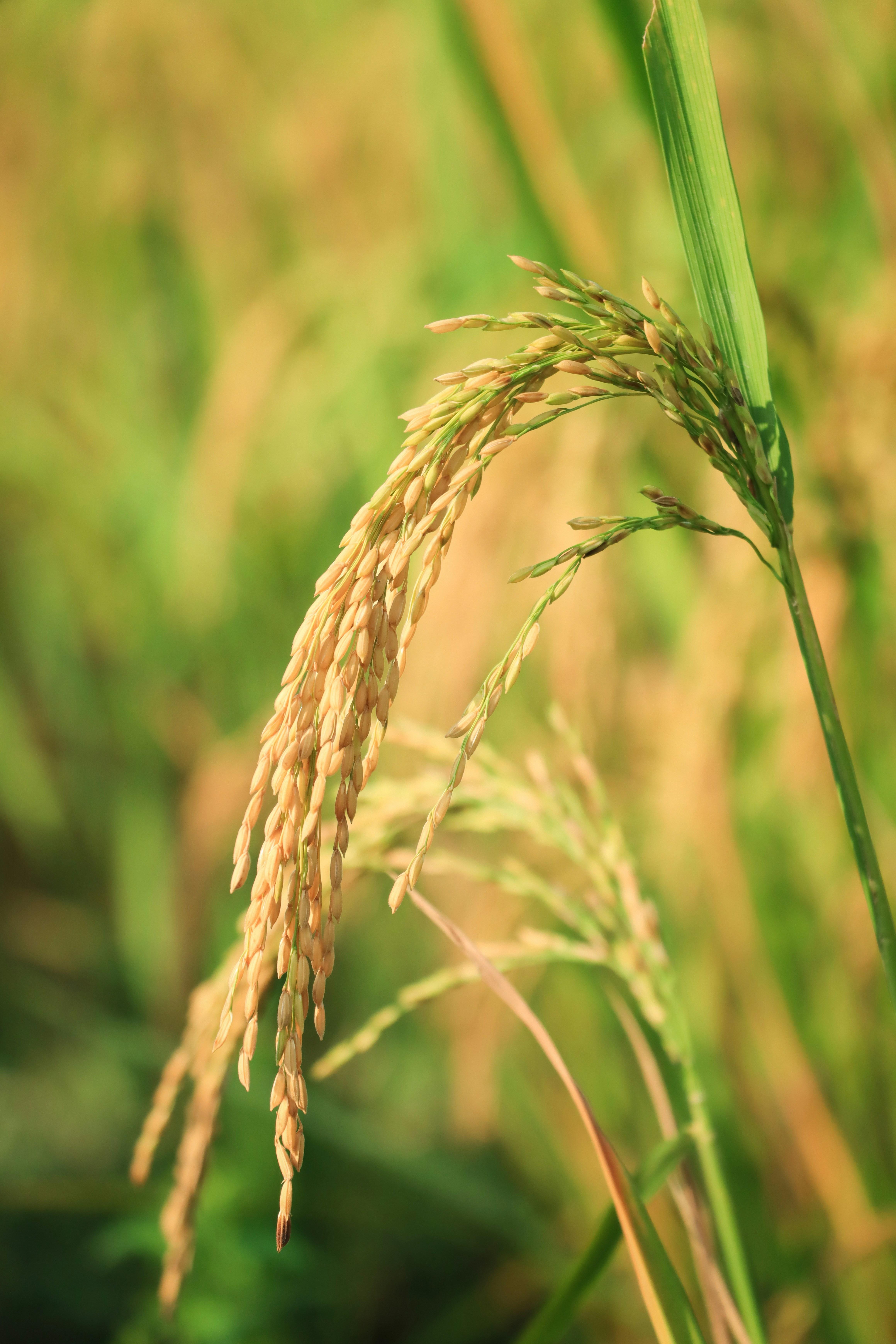
Understanding the Paddy processing Landscape
in navigating the intricate world of paddy processing, one discovers a complex interplay of various stages that transform raw paddy into consumable rice. Understanding this landscape begins with the key stages involved, including harvesting, threshing, and milling. Each of these stages presents unique challenges and opportunities, which can considerably affect the quality and yield of the final product. As a notable exmaple, modern milling techniques and equipment, such as rice huskers and millers, play an essential role in enhancing efficiency and minimizing waste, ultimately leading to a more sustainable production process.
The paddy processing landscape also encompasses a range of supporting industries and technologies that are crucial for the successful operation of processing units. this includes grain storage solutions, quality control measures, and innovative drying methods. Emphasizing the need for robust infrastructure, stakeholders must pay attention to essential factors such as:
- Technology Adoption: Embracing advanced machinery to boost productivity.
- Quality Assurance: Implementing strict quality control to ensure end-product consistency.
- Sustainability Practices: Minimizing environmental impact through eco-friendly processes.
These elements work in synergy to create a vibrant paddy processing system that not only caters to local demand but also has the potential to compete in global markets. To illustrate the significance of these connections, consider the following table that highlights key elements influencing effective paddy processing:
| Element | Importance |
|---|---|
| Harvest Timing | optimal timing ensures maximum yield and quality. |
| Processing Technology | Advanced technology enhances efficiency and product quality. |
| Supply Chain Integration | Streamlined logistics reduce costs and delays. |

Essential Features of an Efficient Processing Unit
When considering a processing unit for paddy, it’s imperative to focus on several key components that enhance efficiency and productivity. Firstly, modular design allows for scalable operations; it enables the processing unit to expand or contract based on the volume of paddy being handled without extensive overhauls. Another significant feature is integrated automation, which minimizes manual labor and reduces the chances of human error. This could involve automated milling systems, sensor-based quality checks, and real-time monitoring dashboards. With these technologies, processors can optimize throughput and ensure consistency in product quality.
Beyond machinery, a successful processing unit must also prioritize energy efficiency and waste management. Sustainable practices not only reduce operational costs but also contribute positively to the surroundings. By utilizing energy-efficient motors and recoverable heat systems, processing units can significantly lower their carbon footprints. Equally essential is the setup for managing by-products; for example, creating a system to utilize husk for biomass energy or animal feed can turn potential waste streams into valuable resources. Ultimately, the right blend of these essential features will empower paddy processing units to achieve greater operational excellence.
Best Practices for Maximizing Yield and Quality
To truly harness the capabilities of a paddy processing unit,it is essential to adopt a series of effective strategies. Optimal moisture content in the harvested paddy is crucial for maintaining yield. aim for a moisture level of around 18-22% during storage to prevent spoilage and spoilage. Additionally, careful sorting and cleaning of paddy before milling can significantly enhance the quality of the final product. This can be achieved through the elimination of foreign materials, damaged grains, and impurities, ensuring that only the best grains are processed.Regular calibration of milling equipment is also vital; this ensures consistent results and minimizes grain breakage, ultimately improving overall output.
Moreover, the implementation of integrated pest management (IPM) techniques can protect paddy crops from pests and diseases, further solidifying both yield and quality. Employing natural predators, such as ladybugs and parasitic wasps, alongside careful monitoring can lead to healthier plants. Training staff on proper handling techniques cannot be overlooked; this ensures that every step of the processing—from harvesting to packaging—is performed with attention to detail. To better visualize the impact of these practices, the following table showcases the relationship between specific practices and their benefits:
| Practise | Benefit |
|---|---|
| Optimal moisture management | Prevents spoilage, enhances storage life |
| Regular equipment calibration | Reduces grain breakage, ensures consistent milling |
| Integrated pest management | Protects crops, enhances plant health |
| Staff training on handling | Ensures quality control, minimizes waste |
Sustainability in paddy Processing: Strategies for the Future
In the ever-evolving landscape of food production, the need for more sustainable practices in paddy processing is becoming increasingly critical. By optimizing each stage of the processing cycle, from harvesting to milling, the industry can significantly reduce its environmental footprint. Innovative strategies such as integrated pest management and water conservation techniques are essential in minimizing resource consumption. Furthermore, embracing renewable energy sources, such as solar panels and biomass energy, can decrease reliance on fossil fuels, making the whole paddy processing unit eco-friendlier.
Investment in technology and innovation is key to achieving sustainability in this sector. By adopting modern milling technologies like high-efficiency machinery, processors can improve yield and reduce waste through better sorting and grading of grains.Additionally, exploring options for circular economy practices, such as utilizing by-products for animal feed or fertilizers, further enhances sustainability.Collaboration with researchers and government bodies to develop best practices and share knowledge can create a unified approach towards achieving environmental goals in paddy processing.
| Strategy | Description | Benefits |
|---|---|---|
| Integrated Pest Management | Using natural pest control methods | Reduces chemical use,enhancing soil health |
| Water Conservation Techniques | Efficient irrigation systems | saves water,lowers operational costs |
| Renewable Energy Sources | Solar panels and biomass utilization | Reduces carbon footprint and energy costs |
| circular economy Practices | Repurposing by-products | Maximizes resource efficiency and reduces waste |
Key Takeaways
the journey through paddy processing units is not just about transforming raw grains into market-ready rice; it embodies a larger narrative of agricultural innovation and community empowerment. As we’ve explored, embracing modern techniques and sustainable practices in paddy processing can unlock untapped potential, boosting both productivity and profitability.
By investing in streamlined processes and eco-friendly approaches, farmers and entrepreneurs alike can enhance their operations and contribute to food security. The roadmap laid out in this guide serves as a stepping stone for stakeholders who are eager to delve into the intricacies of paddy processing.
As we look ahead, the vision of a thriving agricultural landscape rests in our collective hands. Whether you are a seasoned rice mill operator or a newcomer to the industry, the possibilities are boundless. Let this guide inspire you to harness the full potential of your paddy processing unit, fostering not only economic growth but also nurturing a sustainable future for generations to come.