
In the heart of rice-growing regions around the world, a quiet transformation unfolds—a meticulous journey that begins with the swaying fields of golden paddy and culminates in the delicate grains that grace our tables. “Unlocking the Grain: A Journey Through Paddy Processing” invites readers to explore the intricate processes that breathe life into this staple crop, illuminating the dedicated hands and innovative techniques that play a pivotal role in its metamorphosis. From the moment paddy is harvested, to the rhythmic thumping of traditional milling, and the modern machinery that enhances efficiency, this article delves into the rich tapestry of paddy processing. Join us as we uncover the stories, challenges, and advancements that not only shape the grains we consume but also impact the livelihoods of millions, weaving together the threads of agriculture, tradition, and technology in a world where each grain tells a story.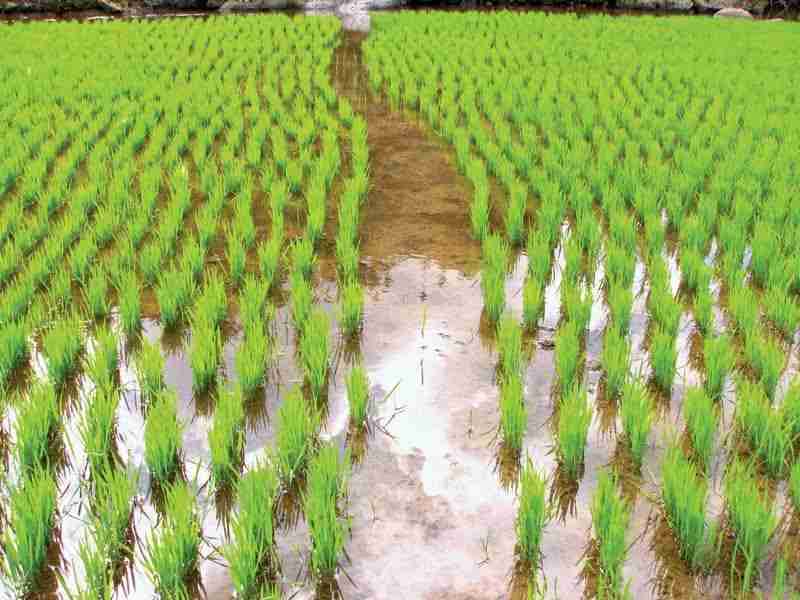
Understanding Paddy Cultivation and Harvesting Techniques
Paddy cultivation is a meticulous process that hinges on understanding the unique environmental requirements of rice plants. Ideally, paddy is grown in fields that are flooded with water, creating a suitable habitat for the rice seedlings. Farmers often utilize specific techniques such as transplanting and direct seeding to promote healthy growth. The use of fertilizers and organic matter, such as compost, is vital to enrich the soil, ensuring that the plants receive essential nutrients. Additionally, implementing integrated pest management strategies helps in controlling pests without harming the ecosystem. The careful monitoring of water levels is crucial during this phase, as rice requires a consistent supply of water to thrive.
As the crop matures and the grains ripen, the timing of harvest becomes a critical factor in ensuring a bountiful yield. Farmers usually employ traditional methods such as manual harvesting with sickles or modern approaches like mechanical harvesters to streamline the process. Post-harvest, the grains undergo several important procedures including threshing—separating the rice from the stalks—and driers designed to reduce moisture levels, which is essential to prevent spoilage. Understanding these techniques not only enhances productivity but also maintains the quality of the rice produced. Below is a brief overview of some common practices used during paddy harvest and processing:
| Technique | Description |
|---|---|
| Manual Harvesting | Traditional method using sickles to cut rice plants. |
| Mechanical Harvesting | Utilizes machines to efficiently harvest large fields of rice. |
| Threshing | Separating the edible grains from the inedible stalks. |
| Drying | Reduces moisture content in grains to prevent spoilage. |

The Science of Milling: Transforming Paddy into Rice
The transformation of paddy into rice is a meticulous process that combines both traditional methods and modern technology. The journey begins with cleaning the paddy to remove impurities such as dirt, stones, and other foreign materials. This stage is crucial as it ensures that only the best quality grains are processed further. Following this, the cleaned paddy undergoes the milling process, where the outer husk is removed to reveal the brown rice beneath. This process typically involves several steps, including husking, which separates the brown rice from the husk, and whitening, where the bran layer is polished off to produce white rice.
During milling, various machines are employed to maximize efficiency and improve the final product’s quality. Key steps in this phase include:
- Husking: Utilizes rubber rollers to separate the husk from the grain.
- Milling: Removes the bran layer using steel or stone rollers.
- Polishing: Improves the appearance and texture of the rice.
To better understand the milling efficiency, a small comparison can be made based on the type of rice and the treatment received:
| Type of Rice | Husk Removal (%) | Polishing Quality (%) |
|---|---|---|
| Long Grain | 90 | 95 |
| Jasmine | 85 | 92 |
| Basmati | 88 | 93 |
Exploring Sustainable Practices in Paddy Processing
In the intricate dance of converting paddy into a staple food, sustainable practices play a crucial role in minimizing environmental impact while enhancing quality. One innovative approach is the adoption of water-efficient milling techniques, which significantly lower water usage during the husking and polishing phases. By implementing equipment like huskers designed with eco-friendly features, producers can reduce their water footprint. Furthermore, utilizing renewable energy sources—such as solar panels to power milling operations—can contribute to a greener process. Other notable practices include:
- Zero-waste processing: Finding ways to repurpose by-products like husk and bran.
- Organic pest management: Reducing reliance on chemical pesticides to safeguard both crops and worker health.
- Community involvement: Collaborating with local farmers to foster practices that benefit the entire ecosystem.
Understanding the benefits of these practices is essential for nurturing an industry that respects both nature and people. Engaging in circular economy principles, where waste is minimized and reintroduced into the production cycle, encourages a sustainable model that can thrive long into the future. For instance, a recent analysis comparing conventional and sustainable paddy processing methods highlights the impact on both the environment and economic viability:
| Processing Type | Water Usage (liters per ton) | Carbon Emissions (kg CO2) |
|---|---|---|
| Conventional | 3000 | 150 |
| Sustainable | 1500 | 70 |
This comparison not only illustrates significant resource savings but also reinforces the notion that sustainable practices in paddy processing are not just good for the planet; they are also smart business choices that pave the way for an eco-conscious future.
Enhancing Quality Control Measures in Rice Production
In the intricate dance of rice production, ensuring a consistent level of quality can transform a good harvest into a great one. Implementing advanced quality control measures is crucial for both producers and consumers. By harnessing techniques such as sensor technology, field sampling, and data analytics, farmers can detect potential issues early on, ensuring that only the best grains make it to market. The use of moisture meters and color sorters helps in assessing grain quality with unprecedented accuracy, allowing for the elimination of subpar products right at the processing stage.
Furthermore, developing a robust feedback loop with stakeholders can significantly enhance quality assurance. By incorporating farmer training programs and periodic audits, the entire supply chain can remain aligned with quality standards. This holistic approach fosters a culture of quality, where practices evolve based on consumer feedback and market trends. To illustrate the impact of these measures, consider the following table showcasing the benefits observed when adopting improved quality control practices:
| Quality Control Measure | Benefit | Impact on Yield (%) |
|---|---|---|
| Moisture Control | Reduces spoilage | 10% |
| Sorting Technology | Improves marketability | 15% |
| Education Programs | Enhances skills | 5% |
| Data Analysis | Informs decision-making | 12% |
Final Thoughts
As we draw the curtain on our exploration of paddy processing, it becomes clear that each grain tells a story, woven through labor, tradition, and innovation. From the verdant fields where rice plants sway to the rhythmic pulse of machinery in processing mills, the journey of paddy is both an art and a science. Understanding this intricate process not only deepens our appreciation for a staple food but also connects us to the countless hands that bring it from earth to table.
In unlocking the grain, we have peeled back layers of culture and technique, revealing the delicate balance between nature and human ingenuity. Whether you’re a seasoned expert or a curious newcomer to the world of agriculture, this journey invites reflection on the origins of our food and the importance of sustainable practices for future generations. As we savor the final product, let us remember the journey that transformed those humble grains into the nourishing rice that graces our plates. After all, in each bite lies a rich tapestry of history, craftsmanship, and hope for a bountiful tomorrow.




