
Unlocking Grain: The Journey Through a Paddy Processing Factory
In the heart of agricultural landscapes, where lush green fields stretch toward the horizon, a remarkable transformation takes place. Here, humble grains of rice embark on a journey that transcends mere cultivation; they undergo a meticulous process that turns them into the staple we know and cherish. Welcome to the world of a paddy processing factory, an intricate hub where technology and tradition intertwine to unlock the potential hidden within each grain. As we step through the gates of this bustling facility, we will explore the painstaking steps taken to refine paddy—from its initial harvest to its final packaging—shedding light on the engineering marvels and human expertise that drive this essential industry. Join us as we delve into the rich tapestry of sights, sounds, and stories that characterize the journey of transforming paddy into a product that sustains millions around the globe.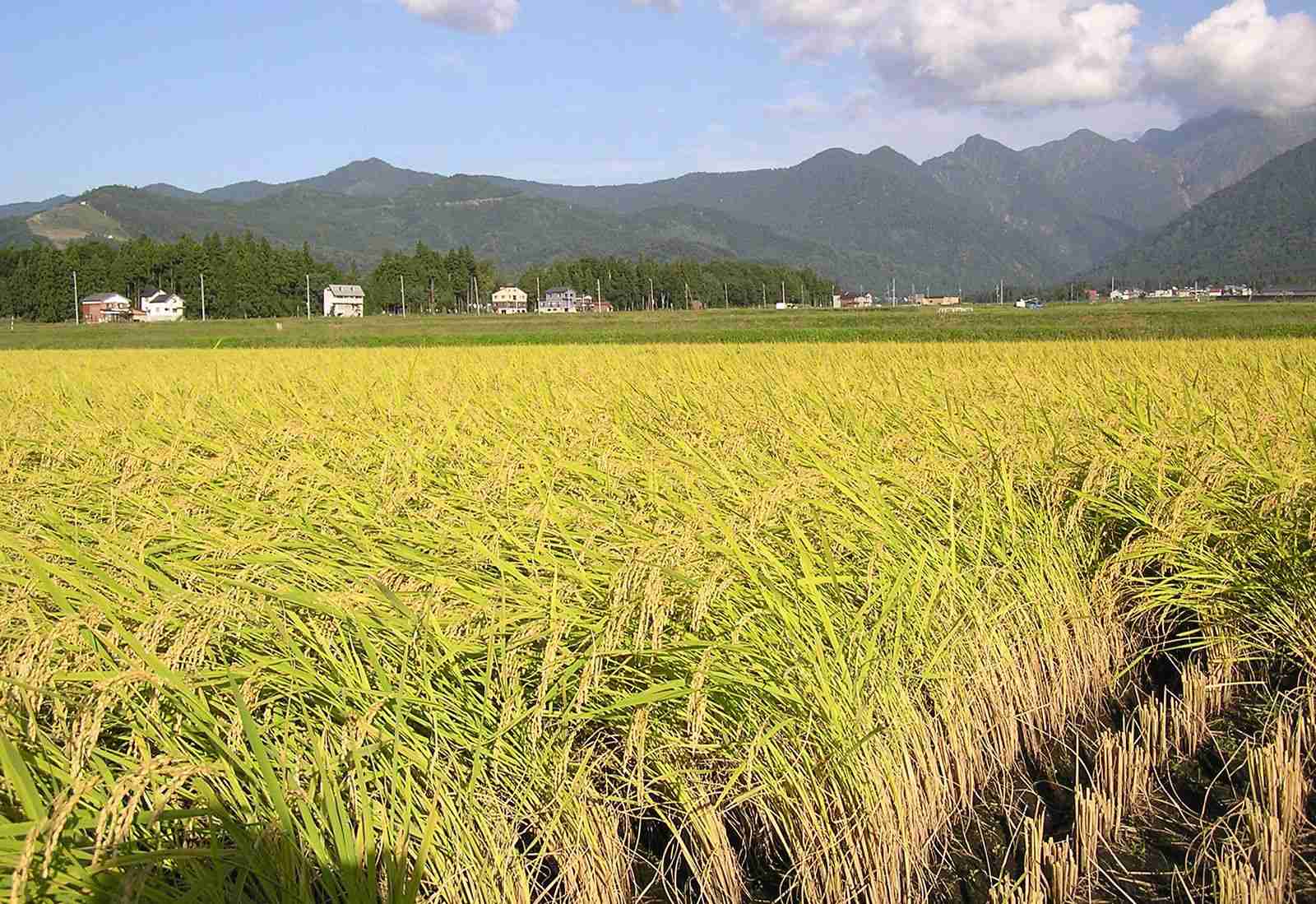
Exploring the Paddy Journey from Field to Factory
The journey of paddy from lush green fields to the bustling processing factories is a testament to both nature and technology. Each grain begins its life in a paddy field, nurtured by sunlight, water, and the careful hands of farmers who understand the rhythms of the land. As the rice matures, it is harvested, often with the aid of modern machinery, ensuring efficiency while minimizing the toil on workers. Once harvested, the paddy seeds undergo a meticulous cleaning process to remove debris, soil, and other impurities. This is the pivotal moment when the seeds are separated from their husks, preparing them for the next stage of transformation. The grains are then dried under the warm glow of the sun or through advanced drying systems, crucial for preserving quality and longevity.
Upon arrival at the processing factory, the paddy enters a world where engineering meets agriculture. Here, the grains embark on a precise pathway of transformation that includes several stages: threshing, milling, and packaging. Each step is engineered to enhance quality while maintaining nutritional value. The milling process removes the outer husk to yield brown rice, which can be further polished to produce white rice, a staple in many households worldwide. These processes are accompanied by rigorous quality control and testing, ensuring that only the finest grains make it to the consumer’s table. The result is not just rice; it’s a product of dedication, innovation, and heritage, transformed into a culinary staple found in kitchens around the globe.
| Stage | Description |
|---|---|
| Harvesting | Paddy is carefully collected from fields. |
| Cleaning | Removal of impurities and debris. |
| Drying | Grains are dried to ensure quality. |
| Milling | Conversion of paddy to rice. |
| Packaging | Final stage, ready for distribution. |
Essential Machinery and Techniques in Grain Processing
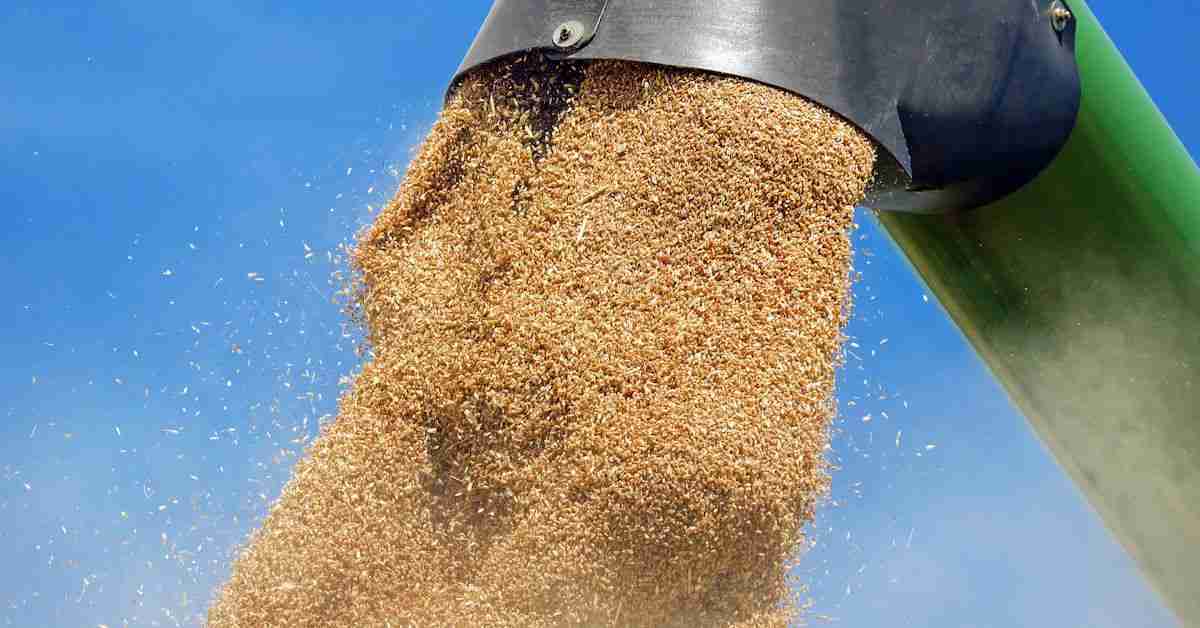
As the sun rises over a bustling paddy processing factory, a symphony of sound and motion ensues, driven by a myriad of essential machinery that transforms the raw grain into a market-ready product. Huskers, destoners, and rice whiteners play pivotal roles in this intricate dance. Each machine is engineered to perform specific tasks: huskers gently remove the outer husk, destoners sift out unwanted impurities, and whiteners polish the grain to perfection. Together, they ensure that every grain is not only aesthetically pleasing but also safe for consumption. This seamless operation, powered by advanced technology, illustrates the beauty of modern grain processing.
Equally crucial to the process are the techniques employed to maximize efficiency and quality. Moisture control, temperature regulation, and ventilation are integrated into the workflow to maintain the integrity of the rice throughout processing. Let’s break down some key methodologies:
| Technique | Description |
|---|---|
| Moisture Control | Maintaining optimal moisture levels to prevent spoilage. |
| Temperature Regulation | Using temperature monitoring to avoid grain degradation. |
| Ventilation | Ensuring proper airflow to deter pests and mold. |
These methods not only enhance the processing efficiency but also contribute significantly to the overall quality and safety of the final product. Utilizing these machines and techniques together, the paddy processing journey is not merely a step in the supply chain—it’s an art form that bridges tradition with technology, enabling farmers to bring their harvests to tables worldwide.
Ensuring Quality: Steps to Achieve Optimal Grain Purity
Achieving optimal grain purity in a paddy processing factory is a meticulous task that requires a blend of advanced technology and time-tested techniques. The journey begins with thorough cleaning of the harvested paddy to remove extraneous materials such as stones, dust, and other crop residues. This initial step is critical, as contaminants can affect the quality of the final product. Following the cleaning process, the paddy undergoes moisture reduction, which is essential for preventing spoilage and ensuring a longer shelf life. Maintaining the right moisture content not only enhances processing efficiency but also preserves the aesthetic qualities of the rice.
After the initial stages, the next steps revolve around hulling and milling. During hulling, the outer husk is removed using automated hulling machines that ensure minimal grain breakage. Following this, the milled rice is subjected to grading, where various sizes of grains are sorted, ensuring uniformity in the product. The process is enhanced by advanced imaging technologies that accurately assess grain purity and color, allowing for real-time adjustments. This precision leads to a final product that meets high standards, ready to be delivered to consumers with the promise of quality and care.
Sustainability Practices in Paddy Processing Facilities
The journey from paddy to polished rice involves a multitude of sustainability practices that not only enhance efficiency but also minimize environmental impact. In modern processing facilities, the integration of energy-efficient machinery is pivotal. This technology reduces the carbon footprint while ensuring high throughput. Additionally, many facilities implement waste management initiatives such as:
- Recycling of husks and by-products for bioenergy production
- Utilizing clean water recycling systems
- Setting up composting programs for organic waste
Water conservation is a chief concern in paddy processing, and many facilities adopt innovative techniques to address this. By implementing closed-loop water systems, facilities can significantly reduce their water consumption while maintaining operational efficiency. Furthermore, the incorporation of renewable energy sources, such as solar panels and biomass energy, enhances energy independence. To quantify these sustainable efforts, consider the table below, showcasing the potential reductions in environmental impact:
| Practice | Environmental Impact Reduction (%) |
|---|---|
| Energy-efficient machinery | 30 |
| Closed-loop water systems | 40 |
| Waste recycling initiatives | 25 |
| Use of renewable energy | 50 |
In Conclusion
As we conclude our exploration of the intricate world of paddy processing, it becomes clear that the journey from ripe grain to polished rice is a story of both tradition and innovation. Each grain that passes through the factory embodies the hard work of farmers, the precision of technology, and the art of craftsmanship. The factory itself, a bustling hub of activity, stands as a testament to the dedication of those who strive to unlock the potential hidden within the humble paddy.
These processes transform mere grains into a staple that sustains millions, reminding us that behind every meal lies an elaborate journey—a narrative forged in the fields, nurtured in the processing plant, and ultimately served at our tables. As we reflect on this journey, perhaps we can foster a deeper appreciation for the grains that nourish us, and the countless hands that work to unlock their value. So the next time you savor a dish of rice, remember the elaborate tale woven through the corridors of the paddy processing factory—a testament to the simple yet profound connections we share with the food that sustains us.




