
In the heart of bustling villages and expansive fields, where golden stalks of rice sway gently in the breeze, an unseen revolution is taking place. The journey from paddy to plate is being reimagined, thanks to the pioneering efforts of Paddy Processing Units. These innovative facilities are not just transforming rice into a versatile staple; they are redefining agricultural practices, improving food security, and spurring economic growth across communities. As technology merges with tradition, the world of paddy processing is evolving, turning crops into opportunities and challenging preconceived notions of how we engage with our food. This article delves into the intricacies of these processing units, exploring their impact on sustainability, quality, and the livelihoods of farmers. Join us as we uncover the transformative power of paddy processing, where innovation meets nature, paving the way for a more resilient agricultural future.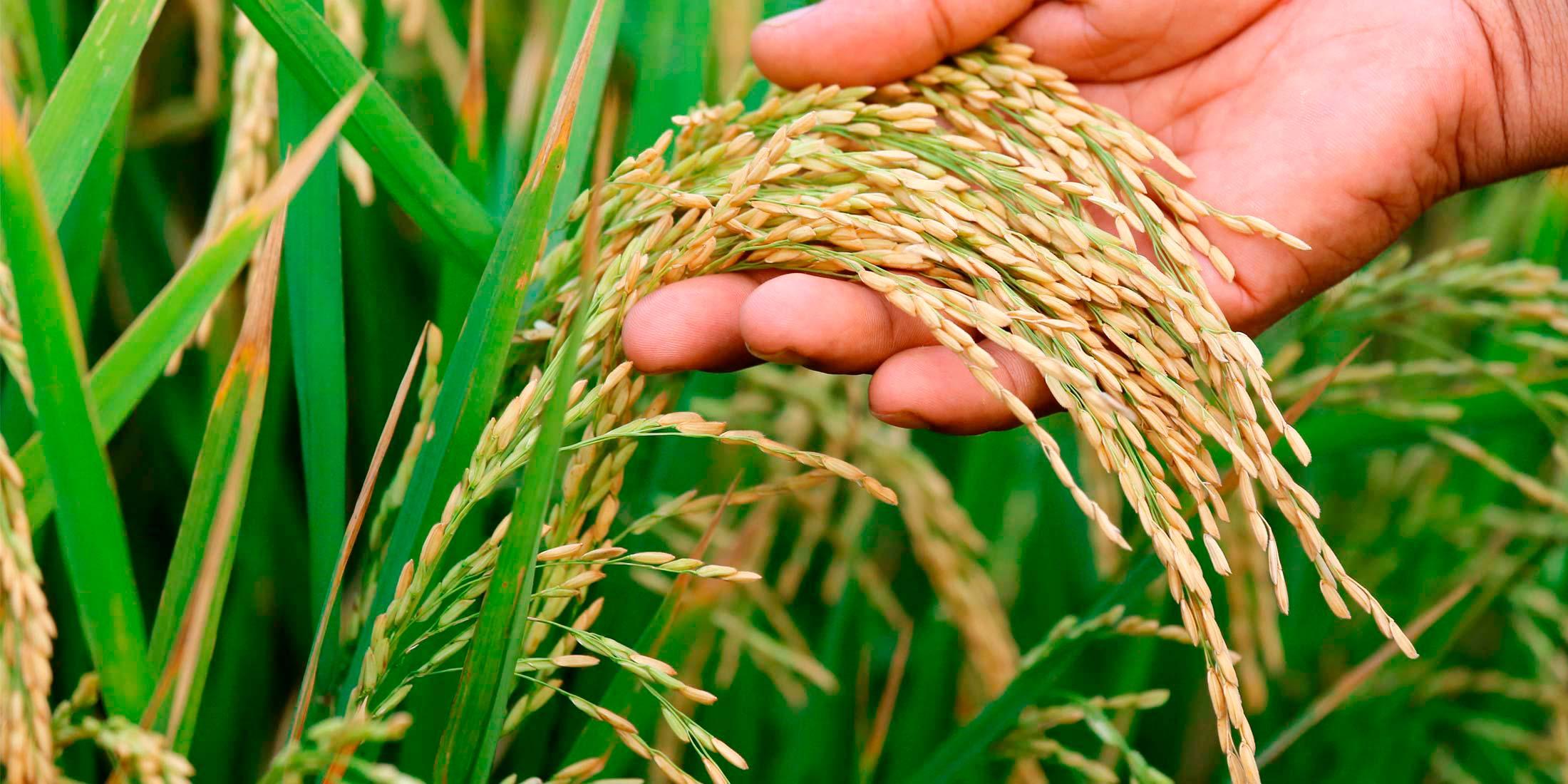
The Journey from Paddy to Rice: Understanding the Processing Cycle
The transformation of paddy into rice is a fascinating journey that involves a series of meticulous steps, each vital to ensure that the final product is of high quality and ready for consumption. The process begins with harvesting, where mature paddy is collected from the fields. Once harvested, the paddy undergoes threshing, separating the grains from the stalks. The next crucial stage is drying, where the paddy grains are dried to reduce moisture content, thereby preventing spoilage and enhancing storability. It’s essential to maintain optimal moisture levels to ensure maximum yield in the subsequent milling operations.
After drying, the paddy progresses to the milling stage, where the husk and bran layers are removed. This stage can be further divided into several steps: dehusking, where the outer husk is removed, and whitening, where the bran layer is polished away to reveal the shiny white rice inside. Today, many processing units employ advanced technology to streamline these operations, using modern equipment equipped with sensors and automation. The entire cycle not only showcases the careful craftsmanship involved but also highlights the importance of innovation in improving efficiency and quality in rice processing.
| Processing Stage | Description |
|---|---|
| Harvesting | Collecting mature paddy from fields. |
| Threshing | Separating grains from stalks. |
| Drying | Reducing moisture content in grains. |
| Milling | Removing husk and bran to obtain white rice. |

Cutting-Edge Technologies Revolutionizing Paddy Processing Units
In the fast-evolving landscape of agricultural processing, advancements in technology are significantly enhancing the efficiency and quality of rice production. Automated milling systems now play a vital role in paddy processing units, reducing labor costs and minimizing human error. These systems utilize sophisticated algorithms and precision machinery to streamline the conversion of paddy to rice, ensuring that every grain is perfectly hulled and polished. Furthermore, smart sensors embedded within these units monitor moisture levels and grain quality, enabling real-time adjustments to maintain optimal conditions while mitigating losses during processing.
Moreover, the integration of artificial intelligence (AI) and machine learning has revolutionized quality control in paddy processing. By leveraging data analytics, processors can predict and address potential issues in the production line before they escalate, enhancing overall productivity. Units are increasingly adopting blockchain technology to ensure traceability and transparency in the supply chain, reassuring consumers about the origins and quality of their rice. Together, these innovations not only increase efficiency but also support sustainable practices in agricultural processes, paving the way for a more resilient and productive farming industry.
Sustainability in Rice Production: Eco-Friendly Practices and Innovations
In the quest for more eco-friendly rice production, innovative paddy processing units are emerging as game-changers. These facilities are not only designed to optimize the milling process but also significantly reduce the carbon footprint associated with traditional practices. By integrating renewable energy sources, such as solar power, and employing water-efficient technologies, these units minimize environmental impact while ensuring high-quality rice. Key features of these innovations include:
- Zero-Waste Systems: Utilizing by-products for energy or as animal feed.
- Biodegradable Packaging: Reducing plastic reliance through eco-friendly materials.
- Precision Milling: Enhancing yield and reducing energy consumption by using advanced software and machinery.
- Water Management Solutions: Implementing systems that recycle water used during the milling process.
Furthermore, the collaboration between farmers and tech companies has led to advancements in smart farming techniques. The use of sensors and IoT technology allows for real-time monitoring of crop health, soil conditions, and water usage, fostering a holistic approach to sustainability. The benefits of these integrations can be summarized in the following table:
| Innovation | Benefit |
|---|---|
| Smart Sensors | Optimize resource use and maximize yields. |
| Renewable Energy | Reduce dependency on fossil fuels. |
| Organic Inputs | Enhance soil health and biodiversity. |
| Data Analytics | Improve decision-making for planting and harvesting. |
Boosting Productivity: Strategic Recommendations for Modern Processing Facilities
To enhance operational efficiency, paddy processing units can adopt several strategic measures that focus on optimizing workflows and reducing downtime. Implementing automation technologies is a game changer; by integrating advanced machinery and robotics, facilities can minimize human error and increase throughput. Additionally, regularly scheduled maintenance checks on equipment ensure that machinery remains in peak condition, preventing unexpected breakdowns that can halt production. Emphasizing employee training programs can further promote a skilled workforce adept at utilizing the latest technologies and techniques in processing.
Another effective approach is to streamline logistics within the facility. Creating designated workflow zones for each stage of the processing can diminish unnecessary movement and time lost in transition. Utilizing lean management principles helps in identifying areas of waste and provides a framework for continuous improvement. Effective inventory management systems are crucial, with technologies that offer real-time tracking and predictive analytics ensuring that raw materials and finished products are efficiently managed. By fostering a culture of innovation and adaptability, modern paddy processing units can not only boost productivity but also thrive in an ever-evolving industry landscape.
Key Takeaways
the journey of rice from paddy fields to our plates is more than just a tale of agricultural practice; it’s a testament to human ingenuity and innovation. Paddy processing units play a pivotal role in this transformation, breathing new life into the grains we often take for granted. As we navigate the complexities of food security, sustainability, and economic viability, the advancements made in rice processing technology offer promising solutions to global challenges.
By embracing innovation in paddy processing, we not only enhance the quality and efficiency of rice production but also empower farmers, support local economies, and meet the growing demands of a burgeoning population. As we look ahead, it becomes clear that the future of rice is not just about the grain itself, but about the systems and strategies we implement to ensure it reaches our tables in the best possible form.
So, as we revel in the diverse flavors and culinary wonders of rice, let us also appreciate the hidden efforts of the paddy processing units that transform this humble crop. Their story, woven into the fabric of our daily lives, invites us to reflect on the interconnectedness of agriculture, technology, and our collective future. The innovative world of paddy processing is not merely a chapter in the story of rice; it is a powerful narrative of resilience and adaptation that will continue to unfold in the years to come.




