
In the intricate dance of agriculture and industry, few staples hold as much significance as rice, a grain that nourishes nearly half of the world’s population. At the center of this vital food chain lies the paddy processing unit, a transformative hub where raw grains undergo a metamorphosis from field to table. This article delves into the essential role of paddy processing units, exploring the technologies, methodologies, and innovations that breathe new life into rice. As we navigate the journey from husk to harvest, we will uncover how these units not only enhance the quality and efficiency of rice production but also contribute to sustainability and economic growth. Join us as we delve into the heart of paddy processing, where tradition meets technology in the quest to feed the world.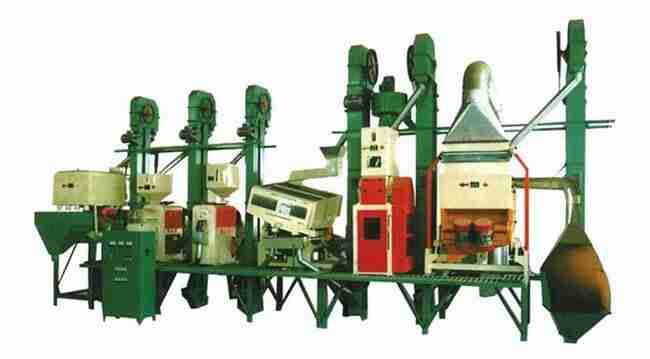
Understanding Paddy Processing Units and Their Role in Rice Transformation
Paddy processing units serve as the crucial bridges between the fields where rice is cultivated and the markets where it is consumed. Functioning as mini-refineries, these units are equipped with various advanced mechanized processes that transform raw paddy into white rice, making it suitable for widespread consumption. Key operations in these facilities include:
- Cleaning: Removal of dirt, stones, and impurities.
- Drying: Reducing moisture content to prevent spoilage.
- Milling: Hulling the paddy to produce brown rice and further polishing it to yield white rice.
- Sorting: Ensuring uniform quality and size by separating broken grains from whole grains.
Beyond the mechanical processes, these units play an essential role in ensuring quality control and adhering to food safety regulations. They often maintain a systematic workflow to enhance efficiency and productivity. In addition to processing, many paddy processing units now integrate value-added services, such as branding and packaging, which allow rice producers to reach larger markets effectively. Below is a simple illustration showcasing the typical workflow of a paddy processing unit:
| Step | Description |
|---|---|
| 1. Harvesting | Paddy is harvested from fields. |
| 2. Transportation | Paddy is transported to processing units. |
| 3. Processing | Paddy undergoes cleaning, drying, and milling. |
| 4. Packaging | Processed rice is packaged for distribution. |
| 5. Distribution | Packaged rice is sent to markets. |

Innovative Technologies Revolutionizing the Processing of Rice
The landscape of rice processing has witnessed a wave of innovative technologies designed to enhance efficiency and maintain the integrity of this staple food. Unmanned aerial vehicles (UAVs) equipped with advanced imaging technology are now being utilized to map paddy fields, enabling farmers to analyze crop health with pinpoint accuracy. This precision agriculture not only facilitates optimal resource allocation but also minimizes waste. Additionally, smart sensors embedded in processing units allow for real-time monitoring of moisture levels, ensuring that rice is stored and processed under ideal conditions. These advancements contribute to maximizing yield and reducing post-harvest losses, reinforcing the vital role of technology in sustainable rice production.
Furthermore, automation in milling and packaging processes has transformed traditional methods, introducing robotics and AI-driven systems that streamline operations. With cutting-edge machinery, the rice milling process has become considerably more efficient, achieving higher output with minimal labor. A glimpse into some of these technologies reveals their multiple benefits:
- AI Analytics: Predictive algorithms optimize milling parameters, enhancing product quality.
- Smart Grading Systems: Automated grading and sorting machines ensure uniformity in product standards.
- Eco-Friendly Processes: Water recirculation systems minimize environmental impact during processing.
As these technologies proliferate, they not only simplify rice processing but also align with global efforts towards sustainable agricultural practices.
Sustainability Practices in the Paddy Processing Sector
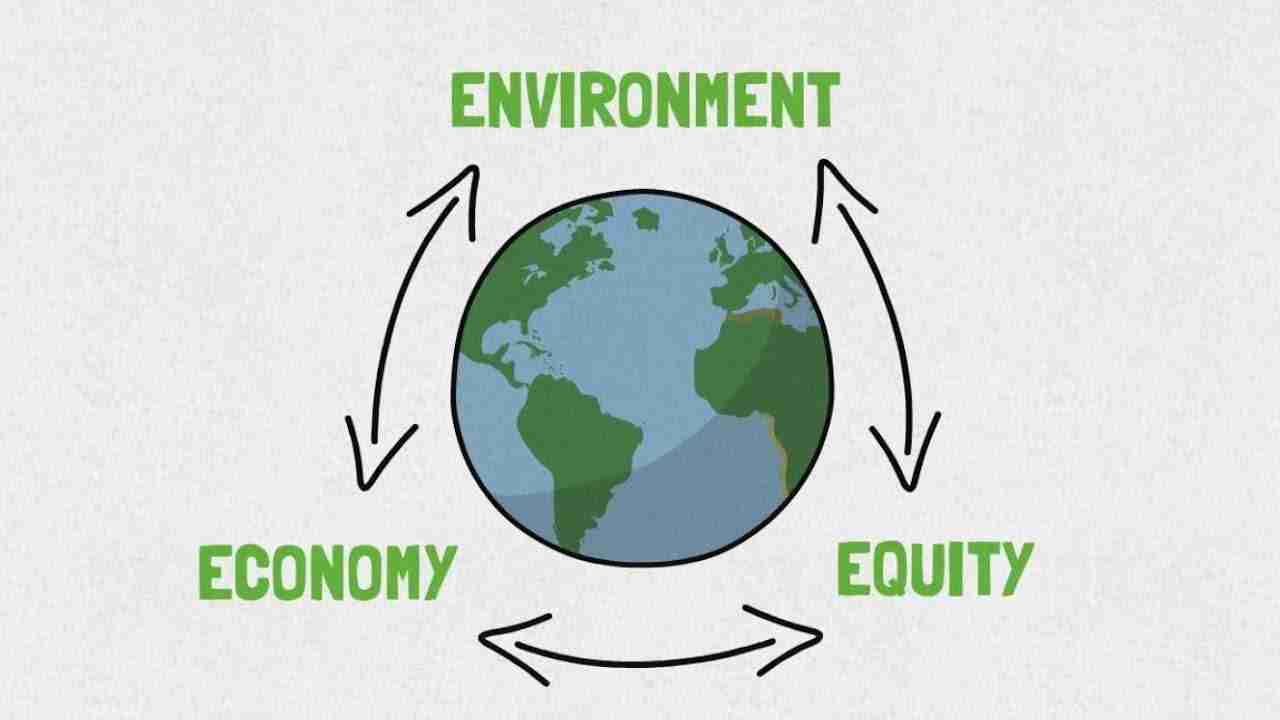
In the quest for environmental harmony, paddy processing units are increasingly adopting sustainable practices that not only bolster productivity but also minimize their ecological footprint. A holistic approach that incorporates precision farming techniques, such as integrated pest management and crop rotation, ensures that the quality of the rice harvested is preserved while also protecting the surrounding ecosystems. Furthermore, many units are now utilizing renewable energy sources like solar and biogas, which significantly reduce reliance on fossil fuels and lower greenhouse gas emissions within the processing phase.
As part of their commitment to sustainability, paddy processing facilities are incorporating waste management strategies that focus on recycling byproducts and reducing waste generation. These include:
- Utilization of rice husks as biomass fuel
- Conversion of bran into animal feed or oil
- Use of liquid waste for biogas production
Such initiatives not only contribute to zero-waste goals but also enhance the overall economic viability of the processing units. In a bid to track and improve these practices, many organizations are implementing environmental management systems (EMS), ensuring every step of the process adheres to rigorous sustainability standards, thus setting a benchmark for the industry.
Quality Control Strategies for Enhanced Rice Products
Implementing robust quality control measures is essential for ensuring the production of premium rice products. One effective strategy is the rigorous pre-harvest inspection, which involves evaluating fields to determine the best time for harvest based on crop maturity. This helps in minimizing losses and maintaining high quality. Additionally, establishing a proper grading system post-harvest guarantees that only the best quality grains make it to the packaging stage. This can be achieved through a combination of visual inspections and moisture testing to evaluate each batch’s consistency and quality. Incorporating technological advancements such as automated sorting machines can greatly enhance precision in grading. Moreover, continuous monitoring of storage conditions protects against spoilage, ensuring the longevity of the rice products.
A comprehensive approach to quality control also encompasses employee training and clear standard operating procedures (SOPs). By developing a robust training program, staff can become adept at identifying quality issues early in the production process, thus preventing quality deviations from becoming significant problems. Establishing a feedback loop allows for ongoing refinement of production techniques, fostering a culture of quality awareness throughout the processing unit. Keeping track of quality metrics through systematic data collection can provide valuable insights; the following table illustrates a simple way to monitor key quality indicators:
| Quality Indicator | Target Value | Current Value |
|---|---|---|
| Moisture Content (%) | 12 | 11.5 |
| Grain Purity (%) | 98 | 97 |
| Broken Grains (%) | 2 | 1.8 |
Ultimately, a holistic approach combining careful monitoring, employee training, and the use of technology can significantly enhance the quality of rice products and ensure a competitive edge in the market.
Key Takeaways
As we conclude our journey through the intricate world of paddy processing units, it’s clear that the transformation of rice extends beyond mere grains; it embodies a symbiotic relationship between tradition and innovation. This process, at its heart, is a testament to agricultural resilience and technological advancement, where each step—be it harvesting, drying, milling, or packaging—plays a vital role in delivering nourishment to countless plates around the globe.
The versatility of rice, from a staple food source to various culinary experiences, mirrors the adaptability of the paddy processing units that refine it. These facilities not only enhance the quality and efficiency of rice production but also lay the groundwork for sustainable practices that meet the evolving demands of a growing population.
As we reflect on the significance of this transformation, let us appreciate the meticulous craftsmanship involved and acknowledge the journey of rice from field to fork. It is a reminder that every grain has a story and every processing unit contributes to a larger narrative of food security and cultural heritage. In this ever-evolving landscape, the heart of paddy processing units beats steadily, ensuring that the essence of rice remains at the core of our culinary experiences for generations to come.




