
In a world where food security and sustainable agriculture are more crucial than ever, the humble grain of rice stands as a staple that nourishes billions. However, the journey from paddy field to dining table is far from simple. Central to this transformative process are Paddy Processing Units, the unsung heroes of the rice production chain. These facilities not only elevate raw paddy into polished grains but also play a pivotal role in enhancing the quality, safety, and value of one of humanity’s oldest crops. This article delves into the essence of paddy processing units, exploring their impact on agricultural efficiency, economic stability, and environmental sustainability. Join us as we unravel the intricate mechanisms that turn paddy into a palatable product, and discover how these processing units are shaping the future of rice consumption across the globe.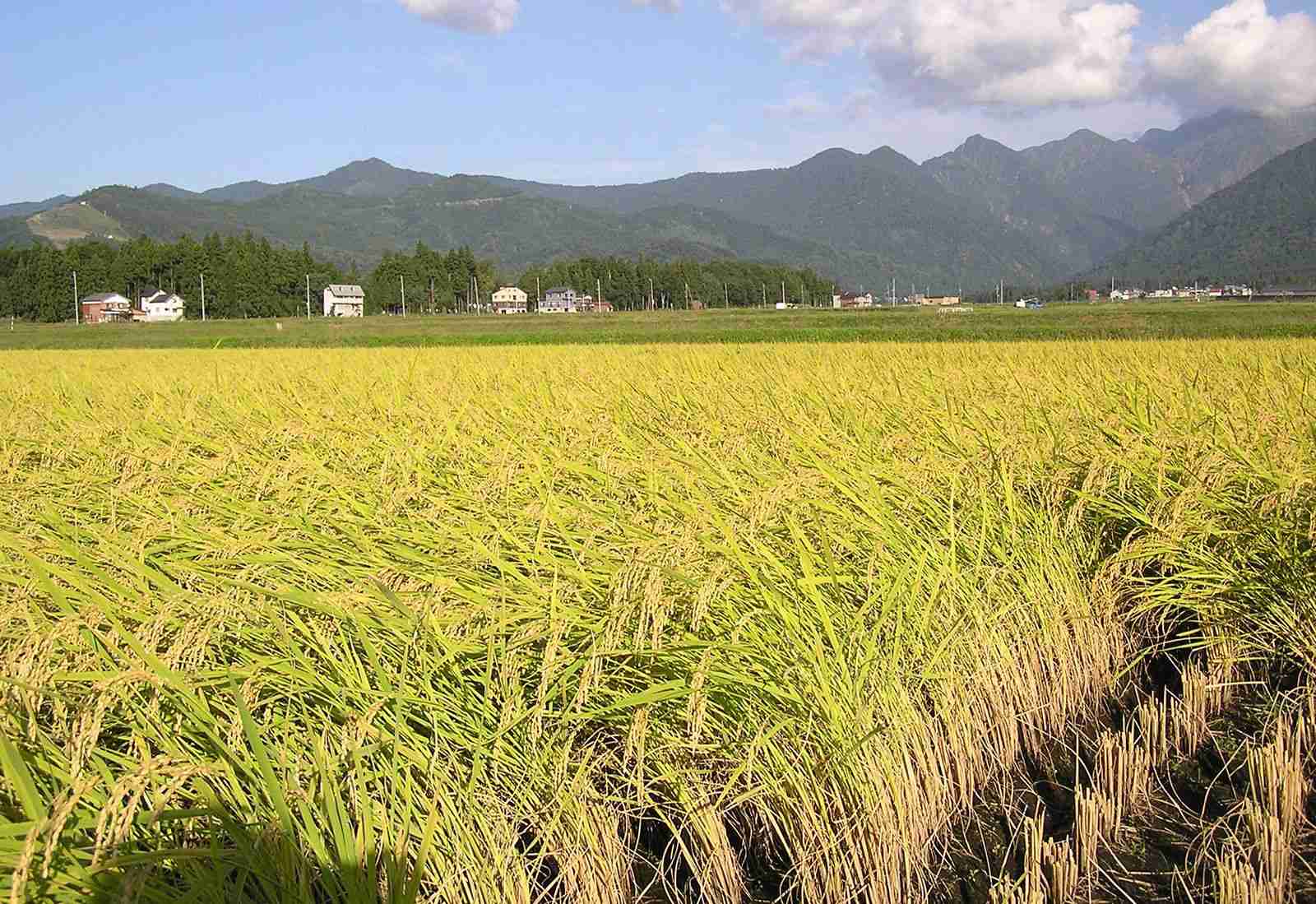
Understanding the Journey from Paddy to Rice: Key Processing Techniques
Embarking on the transformation from raw paddy to polished rice involves a series of intricate processing techniques, each designed to enhance quality and efficiency. Initially, the harvested paddy undergoes drying to reduce moisture content and prevent spoilage. This step is crucial for maintaining the grain’s integrity during storage and milling. Following drying, the grains move to the dehusking stage, where the outer husk is removed, revealing the brown rice beneath. This brown rice, rich in nutrients, can then be milled further into white rice through a process of milling that involves polishing the grains to enhance their appearance and texture.
Another critical aspect of paddy processing is the grading of rice, which ensures uniformity and quality in the final product. This process often employs advanced technology such as color sorting machines to eliminate defective grains and contaminants. The processed rice is then packaged and readied for distribution. An effective processing unit relies heavily on modern technology and skilled labor to navigate the complexities of these techniques, ensuring that each grain of rice reaches consumers in optimal condition.
| Processing Technique | Purpose |
|---|---|
| Drying | Reduces moisture content |
| Dehusking | Removes husk, exposing brown rice |
| Milling | Polishes grains to enhance quality |
| Grading | Ensures uniformity and quality |
Enhancing Quality Through Modern Technology: Innovations in Paddy Processing
Advancements in technology have revolutionized the traditional practices of paddy processing, setting new standards for efficiency and quality. Automated systems now enable the precise monitoring of moisture levels, ensuring that grains are processed at optimal conditions. Innovative machinery, such as high-capacity hullers and eco-friendly parboilers, have not only reduced wastage but also enhanced the nutritional value of rice. The inclusion of sophisticated sorting machines, equipped with artificial intelligence, allows processors to meticulously separate grains based on size, weight, and color. This leads to a more uniform product that meets consumer expectations for both appearance and quality.
Beyond machines, software solutions are also making significant strides in enhancing processing operations. Integrated inventory management systems help maintain a steady supply chain, reducing delays and fostering better relationships with farmers. Data analytics plays a pivotal role in assessing production trends and consumer preferences, empowering processors to make informed decisions. Moreover, training programs that incorporate virtual reality are emerging, providing workers with immersive learning experiences that increase their proficiency in handling cutting-edge equipment. Collectively, these innovations not only enhance productivity but also position paddy processing units as crucial players in ensuring food security and sustainability.
| Innovation | Benefits |
|---|---|
| Automated Monitoring Systems | Regulates moisture, preventing spoilage |
| High-Capacity Hullers | Increases production efficiency |
| AI Sorting Machines | Ensures product uniformity |
| Integrated Inventory Systems | Enhances supply chain management |

Sustainable Practices in Paddy Processing: Balancing Efficiency and Environmental Impact
Paddy processing units have the unique opportunity to integrate sustainable practices that not only enhance operational efficiency but also mitigate environmental impact. By adopting cutting-edge technology, these units can streamline their processes, reducing waste and conserving valuable resources. Key practices include:
- Water Management: Implementing closed-loop systems to recycle water used in milling.
- Energy Efficiency: Utilizing solar panels and energy-efficient machinery to reduce reliance on fossil fuels.
- Waste Utilization: Transforming by-products like husks and bran into bioenergy or animal feed.
- Organic Practices: Sourcing organic paddy to ensure that the entire processing chain remains sustainable.
Furthermore, the adoption of certifications and standards can lead to greater accountability and transparency in paddy processing. To illustrate the importance of certifications, consider the following table that highlights various sustainability certifications available in the industry:
| Certification | Description | Benefits |
|---|---|---|
| Fair Trade | Ensures fair pricing and working conditions for farmers. | Improved livelihoods and sustainable practices. |
| ISO 14001 | Focuses on effective environmental management. | Reduced environmental footprint and compliance with regulations. |
| Rainforest Alliance | Promotes biodiversity and sustainable land use. | Conservation of ecosystems while maintaining productivity. |
By embracing these practices and certifications, paddy processing units can play a pivotal role in creating a sustainable food system that meets the needs of both consumers and the environment.
Empowering Local Economies: The Socioeconomic Benefits of Paddy Processing Units
The establishment of paddy processing units serves as a catalyst for local economic growth, ensuring that the benefits of rice production extend beyond the fields. These units play a crucial role in transforming raw paddy into market-ready rice, which in turn leads to the creation of various job opportunities. Local farmers benefit from increased income through fair pricing and reduced transportation costs, as they can now bring their produce closer to the processing centers. As a result, additional jobs in the processing, packaging, and distribution sectors emerge, fostering a robust supply chain that further enhances the region’s economic resilience.
Moreover, paddy processing units contribute to the development of ancillary businesses that enhance the overall socioeconomic landscape. By fostering a supportive ecosystem, these units enable the emergence of small enterprises that provide services such as transportation, logistics, and marketing. This diversification allows communities to thrive, reducing reliance on a single agricultural product. Additionally, the availability of processed rice can lead to improved nutrition and food security, giving families access to quality staple foods. These interlinked benefits create a positive feedback loop that enriches the local economy while empowering individuals and families.
| Impact Area | Description |
|---|---|
| Job Creation | New employment opportunities in processing and logistics. |
| Income Generation | Increased earnings for local farmers and workers. |
| Support for Local Businesses | Encouragement of ancillary services like transportation and marketing. |
| Food Security | Enhancement of nutrition through available processed food products. |
In Summary
As we conclude our exploration of paddy processing units and their transformative role in the rice supply chain, it becomes clear that these facilities are more than mere processing centers; they are pivotal engines that drive agricultural innovation and food security. The meticulous journey from paddy to polished rice not only enhances the quality and shelf-life of this staple grain but also empowers farmers, nurtures communities, and sustains livelihoods across the globe.
In an era where food safety, sustainability, and efficiency are paramount, investment in modern paddy processing units is not just beneficial but essential. By embracing technological advancements and optimizing processing techniques, we can ensure that rice, a cornerstone of nutrition for billions, meets the evolving demands of consumers while preserving its cultural significance.
As we look forward to the future of rice production and processing, let us remember that the humble paddy field holds within it the potential for transformation—both for the grain itself and for the people whose lives depend on it. The journey continues, and with every grain harvested and processed, we step closer to a world where food is secure, sustainable, and accessible for all.




