
Transforming Paddy: Unveiling the Journey from Grain to Goodness
In the quiet embrace of lush green fields, a simple grain embarks on an extraordinary journey—a journey that transcends its humble origins to become a cherished staple in kitchens around the world. Paddy rice, a symbol of sustenance and culture, is more than just food; it is a testament to the art of transformation. From the rhythmic sounds of harvesting under the sun to the intricate processes of milling and cooking, the path from paddy to plate is a fascinating narrative woven into the fabric of human life. In this exploration, we delve into the stages of transformation that elevate ordinary grains into culinary treasures, while appreciating the traditions, innovations, and communities that contribute to this vital journey. Join us as we unveil the stories behind every grain, celebrating the resilience and creativity involved in bringing nourishment to our tables.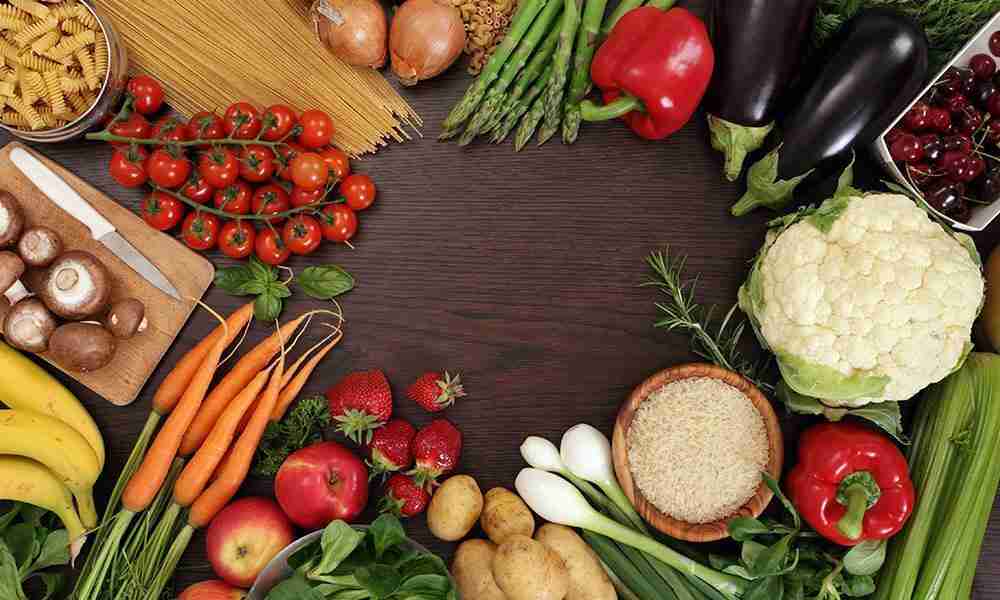
Exploring the Nutritional Benefits of Paddy Rice
Paddy rice, often seen as a staple food across various cultures, offers an impressive array of nutritional benefits that goes far beyond its humble appearance. Rich in carbohydrates, this grain provides a significant energy source essential for daily activities. However, its nutritional profile doesn’t stop there; it also boasts a collection of vitamins and minerals that can play a crucial role in maintaining a balanced diet. Consider the following benefits:
- High in B Vitamins: Paddy rice is an excellent source of B vitamins, particularly B1 (thiamine) and B6 (pyridoxine), which are vital for energy metabolism.
- Rich in Essential Minerals: This grain contains important minerals such as magnesium, phosphorus, and iron, all of which support various bodily functions.
- Dietary Fiber: Whole grain paddy rice retains its fibrous bran layer, promoting gut health and aiding digestion.
Moreover, when paddy rice is processed into products like brown rice or rice flour, it retains its nutrient density, keeping the health benefits intact. A key aspect of this transformation is that it allows for versatility in recipes while ensuring nutritional integrity. Below is a brief comparison of the nutritional differences typically observed between white rice and whole grain rice:
| Nutrient | White Rice (1 Cup) | Brown Rice (1 Cup) |
|---|---|---|
| Calories | 205 | 218 |
| Fiber | 0.6g | 3.5g |
| Protein | 4.3g | 5.0g |
| Magnesium | 19mg | 84mg |

From Field to Fork: Sustainable Farming Practices
The journey of paddy from its origins in the field to the table embodies a tapestry of sustainable farming practices that not only enhance the quality of food but also nurture the planet. By embracing crop rotation, farmers ensure that the soil remains rich and fertile, combating the depletion of nutrients. Additionally, the use of integrated pest management (IPM) allows for the control of pests while minimizing the reliance on harmful chemicals. This practice not only safeguards the health of the ecosystem but also preserves the biodiversity crucial for resilient farming. Furthermore, the commitment to water conservation techniques, such as maintaining wetlands and employing drip irrigation, sustains the precious resource needed for rice cultivation while reducing wastage.
In the heart of sustainable farming lies the pursuit of organic farming practices, where no synthetic fertilizers or pesticides are employed. This method encourages natural growth cycles and stimulates soil health, resulting in grains that are not just better for the consumer but also kinder to the Earth. A remarkable aspect of this journey is the implementation of community-supported agriculture (CSA), where local consumers subscribe to receive fresh produce directly from farms. This fosters a connection between farmers and their consumers, promoting transparency and a shared commitment to sustainability. By prioritizing these practices, the transformation of paddy renders not just a meal, but a conscious choice towards a healthier and more sustainable future.
| Sustainable Practice | Benefits |
|---|---|
| Crop Rotation | Enhances soil fertility, prevents disease. |
| Integrated Pest Management (IPM) | Reduces chemical use, protects biodiversity. |
| Water Conservation | Saves water, maintains ecosystem balance. |
| Organic Farming | Promotes natural growth, healthier produce. |
| Community-Supported Agriculture (CSA) | Strengthens local economies, fosters connection. |

Innovative Processing Techniques for Quality Enhancement
In the quest for quality enhancement, innovative processing techniques play a pivotal role in transforming paddy into a premium dietary staple. Parboiling, a method where paddy is steamed before milling, not only boosts nutritional profiles but also improves the grain’s texture and flavor. Furthermore, the incorporation of infrared drying has revolutionized moisture extraction, ensuring the preservation of essential nutrients. Each of these advanced processes not only contributes to the longevity of the rice but also enhances its culinary attributes, making it a more appealing choice for consumers.
The evolution of milling technologies has also introduced precision techniques that significantly reduce breakage and retain the integrity of grains. Optical sorting uses high-resolution cameras and machine learning algorithms to eliminate impurities and deliver uniform quality. The implementation of atomization techniques in the post-processing stages allows for the creation of rice flour with a finer texture and uniformity. As these innovative methods gain momentum, they pave the way for a higher standard of rice quality that appeals to health-conscious consumers while driving growth in the market.
Culinary Adventures: Creative Ways to Enjoy Paddy Rice
Paddy rice is a versatile ingredient that can be transformed into delightful dishes that will take your taste buds on an unforgettable journey. One creative way to enjoy this humble grain is by making rice paper rolls. These fresh, vibrant rolls can be filled with a plethora of ingredients, from crisp vegetables to succulent shrimp, and served with a zesty dipping sauce. Another innovative approach is crafting a rich and creamy rice pudding, where the grains are simmered gently in coconut milk, then enhanced with fresh fruits and a sprinkle of cinnamon for a dessert that’s both fragrant and soothing.
Experimenting with paddy rice also opens the door to unique culinary fusions. Consider whipping up a delicious risotto, where arborio rice acts as the canvas for flavors like saffron, wild mushrooms, and parmesan, creating an indulgent experience with every spoonful. Furthermore, rice can be utilized in savory croquettes, where cooked rice is combined with spices and cheese, then rolled in breadcrumbs and fried until golden. For a hearty alternative to traditional grains, incorporating rice into a stuffed pepper dish can infuse your meal with variety and nutrition, as each pepper is filled to the brim with a savory blend of rice, vegetables, and herbs.
In Summary
As we conclude our exploration of the remarkable journey from paddy to plate, it’s clear that this seemingly humble grain holds a wealth of potential waiting to be unlocked. From the vibrant green fields to the intricate processing techniques that strip away the outer layers, each step in the transformation of paddy is a testament to the skilled hands and innovative minds dedicated to bringing rice to our tables.
Understanding this journey not only deepens our appreciation for the food we consume but also highlights the importance of sustainability, tradition, and technological advancement in agriculture. As we relish the diverse dishes that celebrate rice in all its forms, let us remember the story behind each grain and the countless individuals who contribute to the journey from grain to goodness.
In a world where food often travels far before reaching our kitchens, it’s vital to cherish the connections we share with this essential crop and the cultures woven into its legacy. Whether it’s a comforting bowl of congee or a fragrant dish of biryani, each bite is an invitation to honor the process and the passion that goes into every grain, ensuring that the journey from paddy to plate is not just about nourishment, but a celebration of life itself.




