
Transforming Paddy: A Journey from Field to Flour
In the quiet embrace of dawn, as rays of sunlight dance upon lush green fields, a remarkable transformation begins. The humble paddy, a staple grain cherished by cultures around the world, springs to life in the wet earth, cradling the promise of sustenance and tradition. Yet, the journey of paddy is far more intricate than the genesis of a simple grain; it is a tale woven through the hands of farmers, millers, and artisans, each contributing their unique touch to an ancient process. From the gentle swaying stalks that line the fields to the finely milled flour that becomes the foundation of countless recipes, the transformation of paddy is a celebration of nature, craft, and innovation. This article invites you to explore the multifaceted journey that paddy undertakes, tracing its path from verdant fields to the bustling mills, and ultimately to the kitchens where it enriches culinary creations. Join us as we uncover the stories behind each step, revealing how this essential grain not only nourishes but also connects us with the earth and those who cultivate it.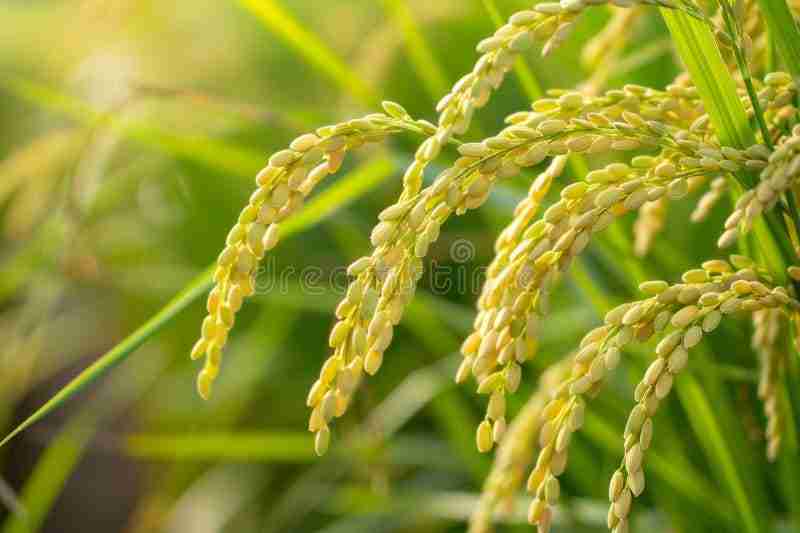
Exploring the Life Cycle of Paddy: From Seed to Harvest
The journey of paddy begins with the humble seed, a tiny yet potent promise of growth. Farmers select high-quality seeds, often soaked in water to enhance germination. As the days pass, these seeds break through the soil, embracing sunlight and water—a delicate dance of nature begins. The initial stage is one of vulnerability, where seedlings are tended with care. This period demands vigilance against weeds, pests, and varying weather conditions. Farmers engage in practices such as fallowing and crop rotation to ensure a fertile environment, allowing the plants to thrive and grow robustly.
As the months roll on, paddy plants transform into vibrant green rice paddies, standing tall and proud against the backdrop of rural landscapes. The transition to maturity is marked by several critical phases, including the tillering stage, where the plant develops multiple stems, and then the flowering phase, where the magic of pollination happens, leading to the formation of grain. Understanding these phases is vital for farmers, as timing determines the success of the harvest. A simple overview of the key growth stages includes:
| Growth Stage | Description |
|---|---|
| Germination | Seed absorbs water and begins to sprout. |
| Tillering | New shoots emerge, increasing productivity. |
| Flowering | Pollination occurs and tiny grains form. |
| Ripening | Grains mature and change color. |
| Harvesting | Fully matured paddy is collected from the fields. |

Innovative Techniques in Paddy Processing: Enhancing Quality and Efficiency
The journey of transforming paddy into flour is marked by several innovative techniques designed to enhance both quality and efficiency. One revolutionary method on the horizon is ultrasonic processing, where sound waves are utilized to improve the extraction of starch and nutrients during milling. This technique not only reduces the time required for processing but also enhances the flavor and nutritional profile of the final product. Additionally, robotic automation is being embraced in paddy processing facilities, streamlining sorting, grading, and packaging processes. This not only minimizes human error but also significantly increases throughput, ensuring that high-quality flour can meet the demands of consumers.
To further augment the quality of processed flour, integrated moisture control systems are employed, which maintain optimal humidity levels throughout the storage and milling phases. This control minimizes wastage and spoilage, allowing producers to maintain a consistent quality in their output. Furthermore, the adoption of eco-friendly milling technologies, such as stone mills and modern grinders equipped with energy-efficient motors, contributes to both sustainability and improved taste in flour. These techniques combined form a robust framework that not only honors the agricultural roots of paddy but also pushes the boundaries of modern food processing practices.
| Technique | Description | Benefits |
|---|---|---|
| Ultrasonic Processing | Utilizes sound waves for improved starch extraction | Faster processing time, enhanced flavor |
| Robotic Automation | Mechanized systems for sorting and packaging | Increased efficiency, reduced errors |
| Moisture Control Systems | Regulates humidity during storage and milling | Prevents spoilage, maintains quality |
| Eco-friendly Milling Technologies | Energy-efficient grinding methods | Sustainable practices, improved taste |
Sustainability in Transformation: Eco-Friendly Practices for Flour Production
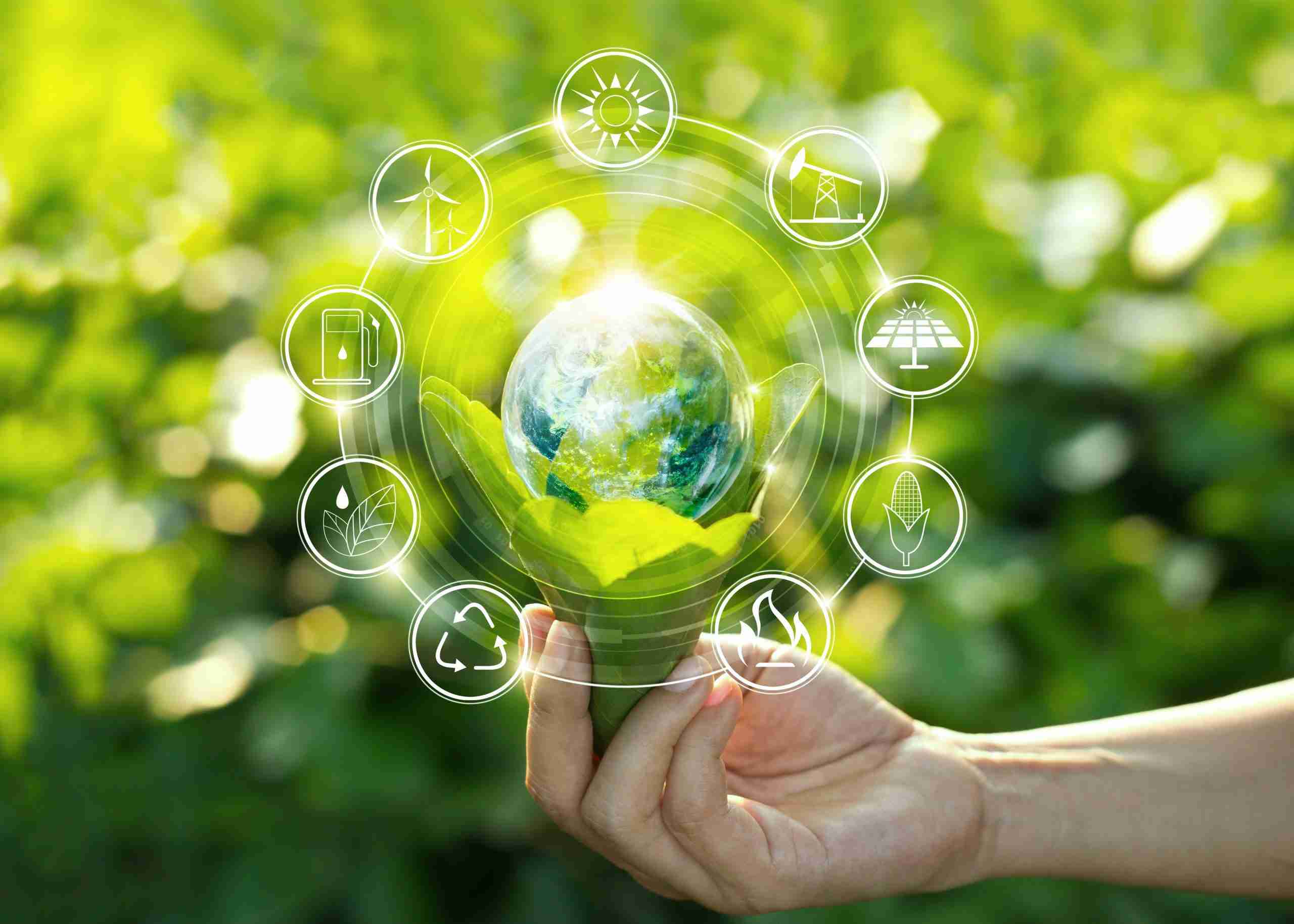
In the quest for a more sustainable future, the flour production process is undergoing an essential transformation that prioritizes eco-friendly practices. One of the most effective methods involves the reduction of water usage, ensuring that irrigation techniques are optimized to minimize waste. Farmers are adopting modern technologies such as drip irrigation, which delivers water directly to the plant’s roots, allowing for efficient use without overexploitation of local water sources. Additionally, crop rotation and cover crops enhance soil health, allowing for better yields while reducing the need for chemical fertilizers. Furthermore, implementing integrated pest management minimizes pesticide use, promoting biodiversity and ecological balance.
Another critical aspect lies in the energy consumption associated with flour production. Utilizing renewable energy sources, such as solar or wind power, in processing facilities can significantly lower the carbon footprint. Many mills are now installing solar panels and using energy-efficient machinery to reduce their reliance on fossil fuels. In addition, utilizing a waste-to-energy strategy, where byproducts of flour production are converted into energy, not only increases efficiency but also supports a circular economy. By embracing these methods, the journey from paddy to flour not only emphasizes quality but also respects the planet we inhabit.
| Eco-Friendly Practice | Description |
|---|---|
| Drip Irrigation | Efficient water delivery directly to roots |
| Crop Rotation | Maintains soil health and reduces chemical usage |
| Renewable Energy | Utilizes solar and wind for processing |
| Waste-to-Energy | Converts byproducts to energy, supports recycling |
Nutritional Benefits of Flour: Unlocking the Potential of Whole Grain Paddy
Whole grain paddy is a treasure trove of nutrition that is often overlooked in modern diets. When transformed into flour, it retains a multitude of essential nutrients that provide numerous health benefits. Notably, it is rich in dietary fiber, which is crucial for maintaining a healthy digestive system. Fiber not only aids in regular bowel movements but also helps in controlling blood sugar levels, making it an excellent choice for those managing diabetes. Additionally, whole grain flour is a powerhouse of vitamins and minerals, including B vitamins, iron, magnesium, and selenium, which play vital roles in energy metabolism and immune function.
Incorporating whole grain flour into your diet is an easy way to significantly enhance nutritional intake. Here are some key benefits:
- Heart Health: Whole grains can lower cholesterol levels and reduce the risk of heart disease.
- Weight Management: Their high fiber content promotes satiety, helping to control appetite.
- Bone Health: The magnesium found in whole grain flour is essential for strong bones.
To illustrate the superior nutrient content of whole grain flour compared to refined flour, here’s a concise comparison:
| Nutrient | Whole Grain Flour (per 100g) | Refined Flour (per 100g) |
|---|---|---|
| Fiber | 10g | 2.7g |
| Protein | 13g | 10g |
| Iron | 3.6mg | 0.6mg |
To Conclude
As we conclude our exploration of the transformation of paddy from its humble beginnings in the field to the versatile flour that graces our kitchens, it becomes evident that this journey is marked by a delicate balance of tradition and innovation. Each step—sowing, harvesting, processing, and milling—represents not just a physical transformation but a cultural one, woven through generations of agricultural wisdom and modern techniques.
In understanding this journey, we gain insight into the complexities behind a staple that often goes unnoticed in our daily lives. The stories of farmers, millers, and chefs intertwine, highlighting the collective effort required to bring paddy to our tables in its finest form. As we appreciate the nuances of this process, we are reminded of the profound connection we share with the food we consume and the lands that nurture it.
Thus, the journey from field to flour is not merely about the product but the people, the traditions, and the evolving practices that shape our culinary landscape. As we continue to engage with the food systems around us, let us honor the processes that bring the simplest of grains to its full potential, ensuring that the art of transformation is celebrated in every pinch of flour we use. In this way, we can cultivate a deeper respect for the journey, fostering a more mindful approach to our meals and, ultimately, to our world.




