
Transforming Paddy: A Deep Dive into Processing Units
In a world where agriculture serves as the backbone of society, the journey from field to table is often overlooked, particularly in the case of one of the most vital staples: rice. At the heart of this transformation lies the intricate world of paddy processing units. These facilities, often operating quietly amid the cacophony of bustling farms and markets, play a pivotal role in converting harvested paddy into the polished grains we know and love. But what happens behind the scenes? How do these units navigate the delicate balance between efficiency and quality? In this article, we embark on a detailed exploration of paddy processing units—unpacking the technology, the techniques, and the human ingenuity that drives them. Join us as we delve into the mechanics of rice production, revealing the complexities and innovations that underscore each grain’s journey from its natural form to an essential ingredient on dinner plates around the world.
The Journey from Grain to Goodness: Understanding the Paddy Processing Cycle
Transforming paddy into a consumable product involves a meticulous journey that is both fascinating and intricate. At the heart of this cycle lies the initial stage of harvesting, where the golden grains are carefully collected. Following harvest, the paddy undergoes a series of processes at milling units that elevate its quality and usability. The primary steps typically include:
- Drying: Reducing moisture levels to prevent spoilage.
- Hulling: Removing the husk to reveal the brown rice beneath.
- Whitening: Polishing the brown rice to produce white rice.
- Sorting: Separating grains based on quality and size.
- Packing: Finalizing the product for distribution.
Each of these stages plays a crucial role in maintaining the nutritional integrity and flavor profile of the rice. The technology employed in modern processing units often utilizes sophisticated machinery that enhances efficiency while minimizing waste. For instance, high-efficiency parboiling is a method gaining traction as it not only preserves nutrients but improves the overall texture of the rice. The following table exemplifies some common processing methods and their benefits:
| Processing Method | Benefits |
|---|---|
| Parboiling | Enhances nutrient retention, reduces cooking time |
| Cold Water Soaking | Improves flavor, increases digestibility |
| Steaming | Preserves aroma, boosts moisture retention |
The culmination of these efforts transforms simple paddy into a staple food that sustains millions around the world. As we journey through each step, it becomes evident that behind every grain of rice is a legacy of hard work, innovation, and a commitment to quality.
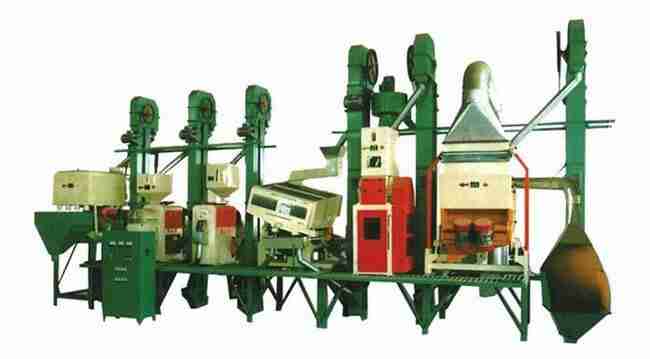
Essential Technologies in Paddy Processing Units: Innovations Driving Efficiency
In modern paddy processing units, automation and smart technologies are reshaping traditional workflows and leading to unprecedented efficiencies. Automated systems, such as robotic grading machines and state-of-the-art milling technologies, drastically reduce manual labor while enhancing precision. For example, advanced sensors analyze grain quality in real-time, allowing millers to adjust settings without interruption, yielding better quality rice with fewer broken grains. Moreover, the integration of Internet of Things (IoT) devices ensures that every phase of the processing is monitored, from drying to milling, enabling predictive maintenance that minimizes downtime and extends the lifespan of critical equipment.
In addition to automation, innovative drying techniques have revolutionized how paddy is handled post-harvest. Energy-efficient technologies like solar drying and heat recovery systems not only minimize energy costs but also preserve the quality of the paddy. Another notable advancement is the use of artificial intelligence (AI) in optimizing processing schedules based on fluctuating market demands and climatic conditions. Facilities equipped with such technologies report a significant increase in throughput and a decrease in wastage. Here’s a brief overview of some key technologies enhancing efficiency in paddy processing:
| Technology | Benefits |
|---|---|
| Automated Grading Machines | Reduces labor and improves quality control. |
| IoT Monitoring Systems | Provides real-time data for informed decision-making. |
| Solar Drying Techniques | Cost-effective and environmentally friendly. |
| AI Processing Optimization | Enhances throughput and minimizes wastage. |

Quality Control and Sustainability: Best Practices for a Tantalizing Product
In the quest for a tantalizing product, ensuring quality control and sustainability is paramount. Implementing a robust quality assurance system begins at the processing unit, where every grain of paddy is subjected to meticulous inspection. By adhering to rigorous quality standards, producers can streamline operations and enhance product integrity. Best practices encompass:
- Regular Training: Continuous education for staff on best practices in handling and processing paddy.
- Traceability Measures: Establishing a system that tracks each batch from processing to packaging.
- Quality Metrics: Developing and monitoring key performance indicators to assess product quality consistently.
Sustainability, an indispensable element of modern processing, demands innovative approaches that resonate with both consumers and the environment. Implementing eco-friendly practices not only reduces waste but also enhances corporate responsibility. Key strategies for sustainable operations include:
- Water Conservation: Utilizing techniques such as drip irrigation and recycling in the washing stage.
- Waste Management: Converting by-products into bioenergy or organic fertilizers.
- Energy Efficiency: Investing in renewable energy sources and energy-efficient machinery.
| Aspect | Best Practice |
|---|---|
| Quality | Implement rigorous inspections at each processing stage |
| Sustainability | Adopt eco-friendly technologies for energy and water use |
Empowering Local Farmers: Strategies for Collaborative Paddy Processing Solutions
In the intricate world of agricultural production, local farmers often face challenges that hinder their progress, notably during the processing of paddy. To tackle these issues effectively, collaboration among farmers can be a game-changer. By pooling resources, knowledge, and technologies, farmers can create a more sustainable and efficient paddy processing ecosystem. They can establish community-based processing units equipped with modern tools and techniques, allowing them to enhance the quality of their produce while minimizing costs. Implementing strategies such as shared marketing efforts, training workshops, and cooperative ownership can empower these farmers, ensuring that they reap the full benefits of their hard work.
Moreover, fostering partnerships with NGOs and local governments can significantly boost the infrastructure needed for effective processing. Initiatives could include the establishment of processing hubs that serve multiple farming communities, optimizing logistics and ensuring timely access to markets. Here are some strategies that can be explored to solidify this collaboration:
- Joint Training Programs: Organize skill-enhancement workshops focusing on modern processing techniques.
- Resource Sharing: Develop systems for sharing machinery and equipment to reduce financial burdens.
- Local Investment Opportunities: Attract small investors to be part of farmers’ cooperative processing units.
- Market Linkages: Build connections with buyers by working together on branding and marketing initiatives.
Insights and Conclusions
As we conclude our exploration of “Transforming Paddy: A Deep Dive into Processing Units,” we find ourselves at the intersection of tradition and innovation. The journey from paddy fields to processing units is not merely a transformation of grains; it’s a vivid representation of agricultural ingenuity wrapped in layers of technological advancement. Each stage in the processing chain brings with it a unique set of challenges and triumphs that shape the quality and sustainability of the rice industry.
As we reflect on the impact of processing units, it’s essential to recognize their role in not only enhancing productivity but also in preserving local cultures and economies. The careful balance of mechanization and artisan practices paints a complex portrait of an industry on the brink of evolution, driven by necessity and creativity.
In our ever-evolving world, the insights gained from examining paddy processing can inspire innovations in other agricultural sectors, paving the way for a more sustainable and efficient future. The grains of knowledge gleaned from this deep dive serve as a foundation upon which to build practices that respect both the land and the labor behind this vital crop.
As we move forward into this new era, let us carry with us the lessons learned from the humble paddy, urging a thoughtful approach to technology that honors the roots of agriculture while embracing the promise of tomorrow. Thank you for joining us on this enlightening journey—may it motivate further conversations and innovations that drive us toward a more resilient agricultural landscape.




