
In the heart of rural landscapes where fields stretch endlessly under the embrace of golden sunrays, an age-old practice transforms into a beacon of modernity: paddy processing. The journey from humble grain to a staple food revered across continents is as intricate as the ecosystems that nurture it. As communities evolve and the demand for efficiency grows, paddy processing plants emerge as pivotal players in this narrative. These facilities not only promise increased productivity but also bring forth a seismic shift in the way rice is harvested, processed, and ultimately consumed. This article delves into the multifaceted impact of paddy processing plants, exploring their role in enhancing agricultural practices, boosting local economies, and addressing the global challenges of food security—all while navigating the delicate balance between tradition and innovation. Join us as we uncover how these modern marvels are transforming harvests and shaping the future of food.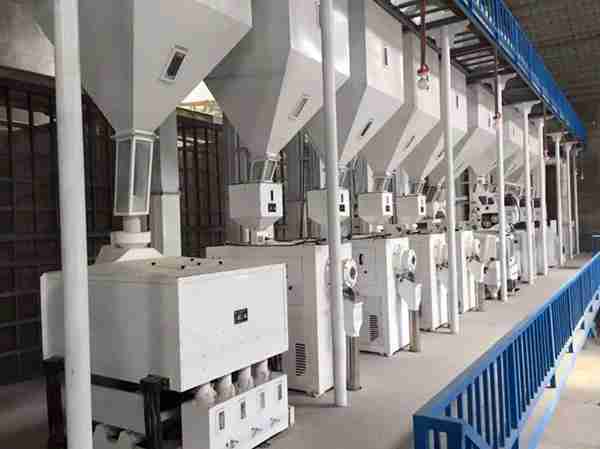
Understanding the Role of Paddy Processing Plants in Modern Agriculture
Paddy processing plants serve as pivotal hubs in the agricultural supply chain, bridging the gap between farm and market. These facilities are equipped with modern technology that enhances the conversion of harvested paddy into a variety of consumable products. At the core of their operations, processing plants perform crucial functions that ensure the quality and safety of rice. They undertake activities such as parboiling, milling, and packaging, transforming raw paddy into polished, ready-to-eat rice. The processing also involves meticulous sorting and grading to meet consumer standards, which is essential for maintaining market competitiveness.
In modern agriculture, paddy processing plants contribute significantly to economic sustainability. They create job opportunities for local communities, engaging skilled and unskilled labor in various capacities. Additionally, these plants boost the value chain by enabling farmers to sell their produce at better prices. The environmental impact is also noteworthy, as today’s processing methods often incorporate more eco-friendly practices. For example, the waste generated from processing, such as husk and bran, can be repurposed into valuable by-products like animal feed and biofuel. Thus, paddy processing plants exemplify a symbiotic relationship between technology, agriculture, and sustainability.

Enhancing Quality and Efficiency Through Innovative Processing Techniques
In the realm of agricultural advancement, paddy processing plants are setting new benchmarks by marrying traditional techniques with cutting-edge technology. At the heart of these operations lies a commitment to maximizing quality and efficiency. This is achieved through the implementation of innovative processing techniques that minimize waste and enhance product integrity. For instance, the use of state-of-the-art milling equipment ensures optimal extraction of rice from the husk, while maintaining the nutritional properties of the grain. Moreover, automated sorting systems equipped with artificial intelligence streamline the quality control process, ensuring that only the best grains reach consumers.
By integrating modern methodologies such as advanced drying and storage solutions, paddy processing plants significantly cut down on post-harvest losses, which have traditionally plagued rice farmers. The following key innovations illustrate the shift towards more efficient operations:
- Precision drying: Regulates moisture levels to prevent spoilage.
- Smart storage technologies: Utilize controlled atmospheres to extend shelf life.
- Energy-efficient machinery: Reduces operational costs and environmental impact.
Additionally, the focus on sustainability within processing plants cannot be overlooked. By adopting eco-friendly practices, such as using organic fertilizers and recycling waste products, these facilities not only enhance productivity but also contribute positively to the ecosystem. The innovative use of technology paired with a sustainable approach marks a transformative change in how paddy is processed, paving the way for a brighter future in agricultural systems.
Sustainability Practices in Paddy Processing: Balancing Profit and Environmental Health
The intricate dance between profit generation and environmental responsibility is at the heart of modern paddy processing. As markets demand higher yields and more efficient production methods, there’s a pressing need to adopt sustainable practices that not only enhance profitability but also safeguard the planet. This includes implementing energy-efficient technologies, which can minimize resource consumption, and incorporating waste management systems designed to transform byproducts into valuable resources. By systematically addressing each stage of the processing cycle, stakeholders can expect to see improvements in both their bottom line and environmental footprint.
Moreover, establishing strong partnerships with local communities can bolster these efforts, creating a ripple effect that promotes widespread sustainability. Engaging in practices such as crop rotation, organic farming, and investing in soil health not only enhance the quality of the paddy but also improve the ecological balance. Innovative approaches such as:
- Water recycling systems to reduce overall water usage
- Solar energy integration for processing plants funding
- Biogas production to utilize organic waste
Result in a harmonious blend of economic viability and ecological stewardship. A collaborative approach will ensure that paddy processing evolves into a sector that can thrive without compromising environmental integrity.
| Sustainable Practice | Impact on Profit | Environmental Benefit |
|---|---|---|
| Energy-Efficient Technologies | Higher output with lower costs | Reduced carbon footprint |
| Water Recycling Systems | Lower water bills | Conserves local water sources |
| Crop Rotation | Enhanced soil fertility | Reduces disease and pest outbreaks |
Empowering Local Economies: The Socioeconomic Benefits of Paddy Processing Facilities
The establishment of paddy processing facilities can serve as a catalyst for revitalizing local economies. By providing employment opportunities, these facilities can help reduce rural unemployment rates and allow communities to invest in their own growth. Farmers can earn better incomes through value-added processing of their crops, creating a ripple effect that enhances the community’s overall economic health. Through localized processing, farmers can retain a larger share of the market price, helping to boost their purchasing power and enabling them to spend on local goods and services.
Moreover, paddy processing plants contribute to technological advancement and skill development in rural areas. Local training programs can emerge, empowering individuals with knowledge in areas such as machine operation, quality control, and supply chain management. This transfer of skills can:
- Encourage innovation in farming methods.
- Promote better agricultural practices.
- Foster collaboration among farmers and processors.
Consequently, these facilities not only strengthen the agricultural sector but also position the community for sustainable growth in complementary sectors such as transport, retail, and food distribution, ultimately weaving a more robust economic fabric.
Insights and Conclusions
the evolution of paddy processing plants serves as a testament to the relentless pursuit of agricultural innovation. As we have explored, these facilities are more than mere structures; they are vital hubs that enhance food security, improve economic viability for farmers, and ensure higher quality products reach consumers. The meticulous processes that transform raw paddy into market-ready rice not only streamline operations but also contribute to sustainability efforts by minimizing waste and maximizing resource efficiency.
As we look ahead, it is crucial to consider how ongoing advancements in technology and practices can further elevate these processing plants, ensuring they adapt to the ever-changing demands of the global food landscape. The journey from field to fork is complex, yet the continuous improvement of paddy processing plants remains a critical driver in achieving a more efficient and resilient agricultural future. In this transformative age, may we embrace these changes, recognizing their profound impact on our plates and the wider world.




