
Transforming Harvests: The Essential Guide to Paddy Processing Machines
In the heart of agriculture, where the golden hues of ripening rice fields sway gently with the breeze, lies a meticulous journey from harvest to table. The paddy processing stage, often overlooked, plays a crucial role in this transformative path. It is here, amidst the hum of machinery and the intricate dance of technology, that raw grains are elevated into their final, consumable form. This guide delves into the intricate world of paddy processing machines—tools that have revolutionized the way we approach food production and grain processing. By exploring the various technologies available, their features, and the remarkable impact they have on efficiency and quality, we aim to unveil the unsung heroes of the agricultural sector. Whether you’re a farmer seeking to optimize your operations or an enthusiast curious about the agri-tech landscape, this essential guide will illuminate the processes and innovations that are reshaping harvests around the globe. Join us on this journey of transformation, where tradition meets innovation, and every grain tells a story.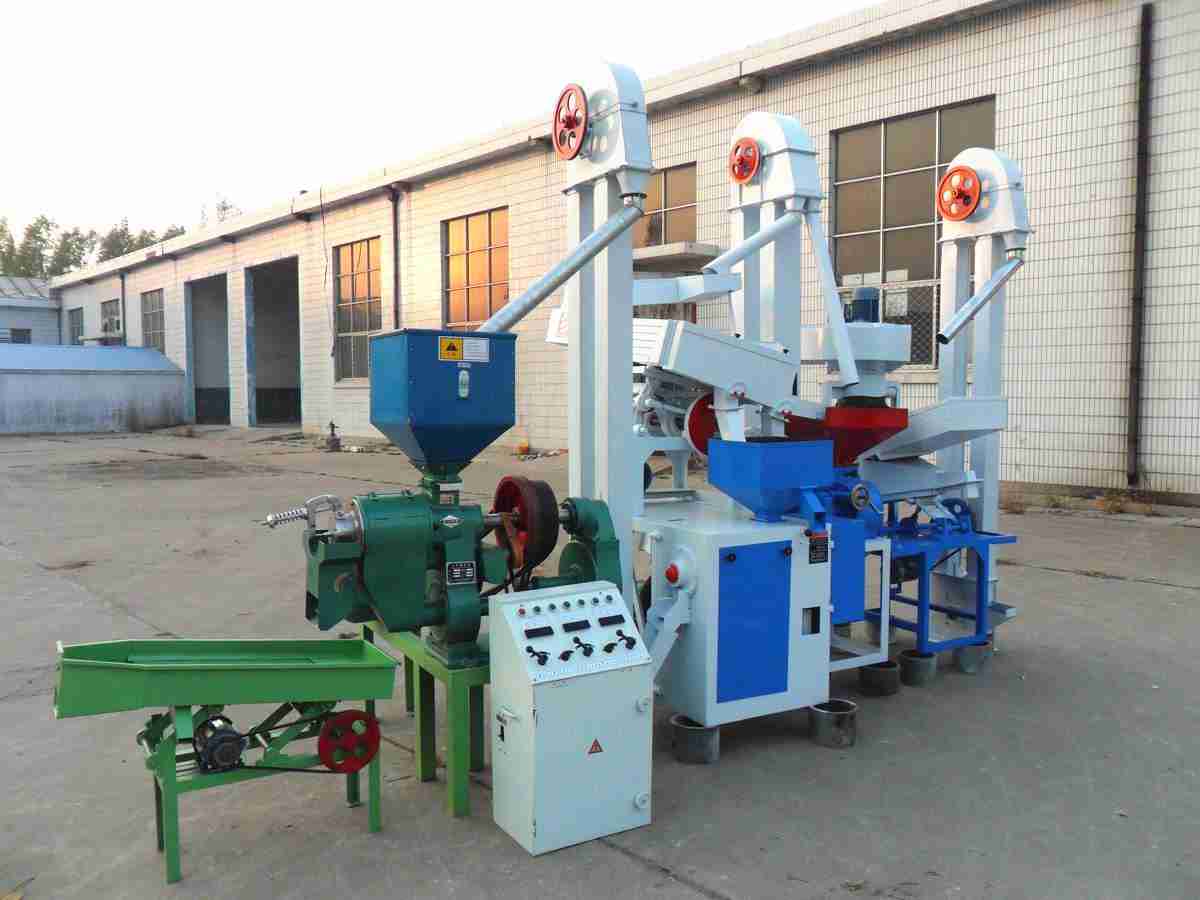
Understanding the Role of Paddy Processing Machines in Modern Agriculture
Paddy processing machines have become indispensable in the modern agricultural landscape, transforming how rice is harvested, processed, and distributed. These machines streamline the transition from field to market, ensuring that paddy rice is transformed efficiently and effectively. By mechanizing various stages of processing, farmers can not only save time but also enhance the quality of their produce. The utilization of these machines involves multiple stages, each critical to maintaining the integrity and quality of the rice, which includes:
- Cleaning: Removing foreign materials like husks, stones, and dust.
- Hulling: The process of removing the hard outer shell from the paddy.
- Milling: Polishing the rice to enhance its appearance and texture.
- Packaging: Ensuring proper sealing to preserve freshness for storage and distribution.
Additionally, the integration of advanced technology in these machines has further revolutionized the paddy processing industry. Many of today’s paddy processing machines are equipped with automation features that not only boost processing speed but also improve precision. This results in reduced spoilage and increased yield. Here’s a simple breakdown of the key benefits of paddy processing machines:
| Benefit | Description |
|---|---|
| Increased Efficiency | Faster processing times lead to quicker turnaround from field to consumer. |
| Higher Quality | Improved polishing and cleaning results in better marketable rice. |
| Cost-Effectiveness | Long-term savings due to reduced labor costs and waste. |
| Scalability | Machines can be easily scaled up to meet growing demand. |

Key Technologies Revolutionizing Paddy Processing Efficiency
Advancements in technology have significantly improved the efficiency of paddy processing, making it faster and more cost-effective. One of the most noteworthy innovations is the integration of automation and robotics in processing plants. Automated systems enhance precision by utilizing sensors to monitor grain quality and sorting mechanisms that reduce human error. This not only streamlines the workflow but also minimizes waste, ensuring that every grain is processed optimally. Smart technology, including IoT sensors, enables real-time data tracking, allowing operators to make informed decisions to enhance productivity and minimize downtime.
Another revolutionary aspect lies in the development of energy-efficient machinery. New paddy processing machines are designed to consume less energy while maintaining high performance metrics. This shift not only reduces operational costs but also supports a more sustainable approach to agriculture. Furthermore, multi-functional equipment is on the rise, capable of performing several processes—from hulling to polishing—in a single machine. This consolidation reduces the footprint of processing facilities and simplifies maintenance. Here’s a quick comparison of some of the leading technologies enhancing paddy processing:
| Technology | Benefits | Key Features |
|---|---|---|
| Automated Sorting Systems | Increased accuracy and reduced labor costs | AI-driven technology |
| Energy-efficient Hulling Machines | Lower energy consumption | Advanced engineering designs |
| Multi-functional Processing Units | Simplified operations | Combination of hulling, polishing, and packaging |
Selecting the Right Equipment for Optimal Harvest Quality
Choosing the right equipment is crucial for enhancing the quality of your paddy harvest. The efficiency of your paddy processing not only influences the final product but also determines the profitability of your venture. Key factors to consider when selecting machinery include:
- Technology and Automation: Opt for machines that incorporate advanced technology to streamline processes.
- Capacity: Assess the volume of paddy you anticipate processing to match it with the right machine size.
- Maintenance and Support: Ensure that the equipment comes with reliable service and maintenance support.
- Grain Quality Preservation: Choose machines that minimize breakage and maximize cleanliness.
Furthermore, it’s essential to evaluate the compatibility of the machines with your existing setup. Investing in well-designed machinery that integrates seamlessly into your workflow will save you time and reduce operational disruptions. Here’s a quick comparison of popular options and their key features:
| Machine Type | Capacity (kg/hr) | Key Features |
|---|---|---|
| Combine Harvester | 200-500 | High efficiency, multi-function |
| Paddy Thresher | 70-300 | Low grain loss, adjustable settings |
| Grain Dryer | 100-400 | Uniform drying, moisture control |
By carefully considering these factors and exploring various machinery options, you can ensure your harvesting process is not only efficient but also yields high-quality results that meet market demands. Investing in the right machinery equips you with the tools you need to elevate your harvests to the next level.
Best Practices for Maintenance and Operation of Paddy Processing Machines
Ensuring the longevity and efficiency of paddy processing machines requires adherence to a set of best practices that focus on both maintenance and operation. Regular cleaning is paramount; ensure that husk, dust, and residues are removed after each processing cycle. A clean machine reduces wear and tear while improving hygiene. Implement a structured schedule for inspections, checking key components such as the millstones, sieves, and rollers for any signs of damage or wear. This proactive approach helps identify potential issues before they escalate, allowing for timely repairs or replacements.
When operating paddy processing machines, it’s crucial to adhere to manufacturer guidelines regarding capacity and feed rates. Overloading or uneven feeding can lead to significant mechanical stress and operational inefficiencies. Operator training is equally important; ensure personnel are well-versed in machine operation protocols, safety procedures, and troubleshooting techniques. Establishing a feedback loop where operators can share their experiences and insights can lead to improved practices and heightened awareness of machine performance. Additionally, maintaining detailed operation logs can provide invaluable data for ongoing adjustments and enhancements in processing methodologies.
| Maintenance Activity | Frequency | Notes |
|---|---|---|
| Cleaning of Machine Components | After Each Use | Focus on removing husk and residues. |
| Inspection of Key Components | Weekly | Look for wear and tear. |
| Lubrication of Moving Parts | Monthly | Follow manufacturer’s lubrication guidelines. |
| Operator Training Sessions | Quarterly | Ensure all operators are updated on procedures. |
Concluding Remarks
As we wrap up our exploration of the transformative world of paddy processing machines, it’s evident that innovation plays a pivotal role in enhancing agricultural efficiency and sustainability. The journey from field to table is no longer just about tradition; it’s a harmonious blend of modern technology and age-old practices. In understanding these machines—each designed with precision to meet the unique challenges of paddy processing—we’ve uncovered the potential to elevate harvests and reduce wastage.
Whether you’re a farmer looking to optimize your operations, an entrepreneur diving into the agri-tech landscape, or simply a curious reader fascinated by the mechanics of food production, this guide serves as a stepping stone into a vital aspect of our food systems. As the global population continues to grow, the demand for efficient, effective solutions in agriculture becomes increasingly crucial.
Embracing these advancements not only paves the way for enhanced productivity but also ensures that we are aligned with the principles of sustainability and environmental stewardship. The future of paddy processing holds exciting possibilities, beckoning us to engage with and adapt to these technologies. By investing in and understanding these transformative machines, we can collectively reimagine the agricultural landscape, making it more resilient for generations to come.
Thank you for joining us on this insightful journey of discovery. May your own ventures into paddy processing be as fruitful as the harvests themselves.




