
Transforming Harvests: The Art and Science of Paddy Processing
In the tapestry of agricultural practices, few threads are as vital as those woven into the cultivation and processing of paddy. This humble grain, a staple for more than half the world’s population, not only nourishes billions but also reflects a rich heritage of traditions and innovations that have evolved over millennia. From the lush, green paddies kissed by sunlight to the rhythmic clatter of milling machines, the journey of rice from field to table is a captivating blend of art and science.
As we delve into the intricate world of paddy processing, we will uncover the delicate balance between traditional methods and cutting-edge technologies that define this essential industry. With each step in the processing chain, from harvesting and drying to milling and packaging, there lies a story of transformation that goes far beyond mere sustenance. Join us as we explore the techniques, challenges, and breakthroughs that shape the way we enjoy one of humanity’s most cherished foods, illuminating the profound connection between the earth, the harvest, and our plates.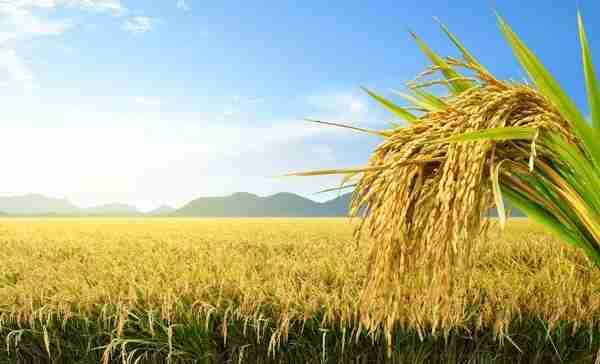
Understanding the Fundamentals of Paddy Processing Techniques
The journey from paddy fields to the consumer’s plate is an intricate process that involves several key techniques aimed at preserving the grain’s quality while enhancing its market value. To begin with, harvesting is a crucial step that demands timely action. Timing ensures that the grains reach their optimal moisture content, which is critical for preventing spoilage. Once harvested, threshing separates the grains from the husks, making it easier to handle the paddy for further processing. This step can be conducted manually or through mechanized means, with mechanization providing increased efficiency and consistency in grain quality.
After threshing, the next vital technique is drying, which reduces moisture content to levels that inhibit mold growth during storage. Proper drying can be achieved through sunlight exposure or artificial methods, each with their own set of advantages. Subsequently, the grains undergo milling, where the outer husk and bran layers are removed, resulting in polished rice. The milling process can vary in intensity, ensuring that preferences for texture and nutrient retention are met. the processed paddy is classified based on grading, which considers factors such as grain size, color, and brokenness. This classification not only influences market pricing but also helps consumers make informed choices.
| Processing Step | Description |
|---|---|
| Harvesting | Collecting mature rice plants at the right moisture content. |
| Threshing | Separating grains from husks using manual or mechanical methods. |
| Drying | Reducing moisture content through sunlight or artificial dryers. |
| Milling | Removing outer husk and bran layers to produce polished rice. |
| Grading | Classifying rice based on size and quality for market readiness. |

Innovative Technologies Revolutionizing Harvest Efficiency
In the quest for more efficient harvests, cutting-edge technologies are transforming the landscape of paddy processing. At the forefront of this revolution are precision agriculture tools, including drones equipped with multispectral cameras that provide farmers with detailed information on crop health. This data allows for targeted interventions, ultimately optimizing yields. Moreover, automated harvesting machinery has redefined labor dynamics in the fields, drastically reducing the time and manpower required for harvesting. The implementation of these technologies facilitates smoother transitions from field to post-harvest processes, ensuring that the grains maintain their quality while minimizing waste.
Furthermore, sensors and IoT devices are playing a pivotal role in monitoring and managing paddy throughout its lifecycle. These devices can detect optimal harvesting times by gauging moisture levels and crop readiness, making it easier for farmers to plan their activities. The integration of big data analytics enables the collection and analysis of vast amounts of information, allowing for continuous improvement in farming strategies. Consider a sneak peek into how some of these innovative solutions are structured:
| Technology | Benefits |
|---|---|
| Drones | Enhanced crop monitoring and targeted interventions |
| Automated Harvesters | Increased efficiency and reduced labor costs |
| IoT Sensors | Real-time data on crop health and conditions |
| Big Data Analytics | Data-driven decision making for improved yields |
Quality Control Measures in Paddy Processing
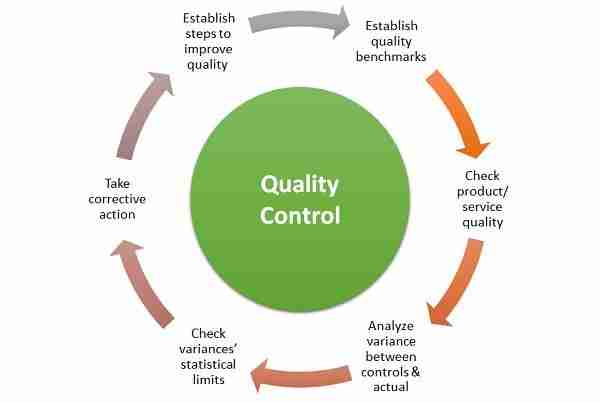
Paddy processing is a crucial step that determines the quality of rice produced and ultimately influences consumer satisfaction. To maintain superior quality, various measures are implemented at each stage of the processing line. Visual inspections play a vital role, allowing workers to identify defects, impurities, and discolored grains. Another essential measure is moisture control, which prevents the growth of mold and preserves the integrity of the grain during storage. In addition, sorting and grading are performed to separate the good grains from the inferior ones, ensuring consistency in size, shape, and quality across batches.
Advanced technologies are now being integrated into paddy processing to enhance quality control. For instance, the use of optical sorting machines has revolutionized the separation process by accurately detecting foreign materials based on color and size, leading to higher purity levels. Furthermore, laboratory testing is employed to analyze various parameters such as grain hardness, cooking quality, and nutritional content, providing a comprehensive evaluation of the processed rice. Consistent training for workers about these protocols is also essential in implementing these quality measures effectively, as well as maintaining rigorous hygiene standards throughout the facility.
| Quality Control Measure | Description |
|---|---|
| Visual Inspections | Identify defects and impurities in grains |
| Moisture Control | Prevent mold growth and grain deterioration |
| Sorting and Grading | Separate good grains from inferior ones |
| Optical Sorting | Use advanced technology for precise separation |
| Laboratory Testing | Evaluate cooking quality and nutritional content |
Sustainable Practices for Enhanced Agricultural Outcomes
In the quest for improved agricultural yields, integrating sustainability into paddy processing is essential. By adopting innovative methods, farmers can not only enhance their harvest quality but also contribute positively to the environment. Practices such as crop rotation, the use of organic fertilizers, and integrated pest management help maintain soil health and reduce chemical input. These methods enable farmers to achieve better resilience against adverse weather conditions and pest invasions, ultimately leading to a more stable production cycle.
Implementing sustainable technologies in paddy processing can significantly minimize waste and energy consumption. Key strategies include the use of solar drying systems and bioenergy-based processing units. Such techniques not only reduce reliance on fossil fuels but also provide economic benefits to local communities. Additionally, adopting water-saving irrigation techniques like drip or sprinkler systems can enhance water use efficiency, fostering an environment where sustainable agriculture can thrive. Below is a simple comparison of traditional vs. sustainable paddy processing methods:
| Method | Traditional | Sustainable |
|---|---|---|
| Fertilizer Use | Chemical fertilizers | Organic fertilizers |
| Irrigation Method | Flood irrigation | Drip/sprinkler systems |
| Pest Control | Chemical pesticides | Integrated pest management |
The Way Forward
As we conclude our journey through the intricate world of paddy processing, it becomes clear that this fusion of art and science is far more than just a means to an end. It is a meticulous dance of tradition and technology, where each step from harvest to husking tells a story of cultivation, care, and innovation. The vibrant fields that burst forth with ripe grains signal not just the promise of food security, but also the dedication of those who turn these harvests into sustenance for millions.
In embracing both ancient techniques and cutting-edge advancements, the paddy processing industry is not only preserving age-old customs but also paving the way for a sustainable future. As we continue to explore and refine these processes, we honor the rich tapestry of agricultural heritage while meeting the demands of an ever-evolving world. Let us remain vigilant stewards of this invaluable resource, celebrating the delicate balance that sustains our planet and nourishes our communities.
the story of paddy processing is a reminder that with every grain, there lies potential—potential to innovate, to inspire, and to feed both body and soul. As we look towards the future, may we cultivate not only the fields but also a deeper understanding of the craftsmanship that transforms simple harvests into cherished meals.




