Transforming Harvests: Innovations in Paddy Processing Units
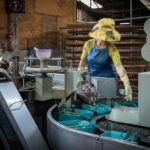
In the verdant expanse of rice fields, where golden grains sway gently in the wind, the journey from field to plate is a symphony of tradition and technology. As the world seeks sustainable solutions to meet the growing demand for food, the spotlight shines on paddy processing units—crucial hubs where raw harvests undergo transformation.This article delves into the landscape of innovations reshaping how paddy is processed, highlighting advancements that enhance efficiency, reduce waste, and promote quality. From eco-friendly machinery to cutting-edge milling techniques, we explore the revolutionary changes redefining this age-old practice, paving the way for a more resilient agricultural future. Join us on a journey through the intricate processes that not only preserve the essence of rice but also elevate its role in global food security.
Innovative Technologies Revolutionizing Paddy Processing Efficiency
Recent advancements in technology have paved the way for a transformation in the efficiency of paddy processing units, streamlining everything from harvesting to packaging. Automated harvesting machines equipped with sensors can monitor crop maturity and soil conditions, allowing for precise timing in harvesting. With features like real-time data analytics, these machines enable farmers to maximize yield while considerably reducing labor costs. Other innovations include smart drying systems that utilize infrared technology to optimize moisture content, ensuring that the harvested grain maintains its quality throughout the storage period.
In addition to improved harvesting and drying methods,the introduction of machine learning algorithms in processing units is redefining operational efficiency. These algorithms analyze past data to predict possible issues before they arise, facilitating proactive maintenance scheduling. Furthermore, energy-efficient milling equipment has emerged, which minimizes waste while enhancing output. By implementing sustainable practices, such as water recycling and renewable energy sources, paddy processing units are not only increasing productivity but also contributing to environmental conservation.
| Technology | Benefits |
|---|---|
| Automated Harvesting Machines | Increases yield, reduces labor costs |
| Smart Drying systems | Maintains grain quality, optimizes moisture |
| Machine Learning Algorithms | Predicts maintenance needs, enhances efficiency |
| Energy-Efficient Milling | Minimizes waste, maximizes output |
| Sustainable Practices | Supports environmental conservation |
Sustainable Practices Enhancing Quality and Yield in Processing Units
Embracing sustainability in processing units not only conserves resources but also elevates the quality and yield of paddy products. By integrating eco-friendly technologies such as solar energy systems and biomass fuel sources, processing units can significantly reduce their carbon footprint. The adoption of water recycling systems maximizes efficiency in water usage, while minimizing waste generation. Moreover, implementing precision farming techniques enhances the cultivation process by ensuring that inputs are carefully managed to boost crop resilience.
The focus on sustainable practices also extends to waste management, where composting organic by-products plays a vital role in enriching soil health for future crops. Key innovations in paddy processing include:
- Zero-waste systems, which repurpose husks and broken grains into animal feed and organic fertilizers.
- Smart sorting technologies, ensuring only the highest-quality grains make it to market.
- Efficient milling processes, which preserve more of the grain’s nutrient value.
| Innovation | Benefit |
|---|---|
| Solar Energy Utilization | Reduces operational costs and environmental impact |
| Water Recycling Systems | Enhances water efficiency and reduces waste |
| Biomass Energy Systems | Offers a renewable energy source to power operations |
Smart agriculture: Integrating IoT and Automation for Optimal Harvest Management
As the agricultural sector embraces the future,the convergence of Internet of Things (IoT) and automation is redefining how paddy processing units manage their operations. By harnessing smart devices, farmers can monitor soil conditions, crop health, and weather patterns in real-time, leading to data-driven decisions that enhance productivity. For instance, using sensors that track moisture levels and nutrient content, paddy farmers can optimize irrigation schedules and fertilizer application, ensuring that crops receive exactly what they need at the right time. This precision in resource management not only increases yield but also minimizes waste and lowers operational costs.
Automation plays a crucial role in streamlining processes within the paddy processing units, transforming every phase from harvesting to packaging.Robotic systems can efficiently operate machinery, reducing the labor burden and increasing efficiency. Key advancements include:
- Automated harvesters equipped with GPS for precise navigation.
- Smart sorting systems that utilize machine learning to separate high-quality grains.
- Integrated inventory management systems that align with IoT technologies to track stock levels in real-time.
These innovations are not just about increased productivity; they also foster sustainability. By employing technologies that reduce carbon footprints and enhance soil health, paddy processing units can contribute to a more eco-friendly agricultural landscape. The potential for creating connected farms ensures that the journey from field to table is both efficient and sustainable, paving the way for future advancements in agricultural practices.
Future Trends: Preparing Paddy Processing Units for Global Market Demands
The landscape of paddy processing is rapidly evolving, with technological advancements charting new paths towards efficiency and quality. As global market demands intensify, paddy processing units must embrace automation and smart technologies to stay competitive. Innovations such as AI-driven sorting systems and IoT-enabled monitoring solutions are paving the way for real-time data analysis, allowing processors to optimize output and reduce waste.Additionally,enhancing energy efficiency through renewable technologies can not only lower operational costs but also appeal to environmentally conscious consumers. By integrating advanced machinery and digital platforms, processors can ensure they meet stringent quality standards while achieving sustainability goals.
To prepare for the dynamic global market, processing units should focus on diversifying their product offerings. Adopting value-added processing techniques can help meet the varied consumer preferences across regions. Some of the key trends include producing organic and specialty rice varieties, and also exploring alternative uses for by-products like rice bran and husk. A strategic approach to collaboration with research institutions can foster innovation in product development and market penetration. Below is a table showcasing potential value-added products and their benefits:
| Value-Added Product | benefit |
|---|---|
| Organic Rice | Meets rising consumer demand for health-conscious products |
| rice Bran Oil | High nutritional value and culinary versatility |
| Rice Flour | Gluten-free alternative for baking and cooking |
| Rice Husk Briquettes | Eco-friendly fuel source with low emissions |
Wrapping Up
As we draw the curtains on our exploration of innovations in paddy processing units, it becomes abundantly clear that the journey from farm to table is undergoing a remarkable transformation. The advancements we have examined are not merely technological enhancements; they represent a paradigm shift in how we approach food production and sustainability. With increased efficiency,reduced waste,and a commitment to quality,these innovations are paving the way for a more resilient agricultural future.
As the sun sets over the fields of golden rice, it casts a hopeful light on the possibilities that lie ahead. Farmers, engineers, and researchers are coming together to redefine what is possible in paddy processing, ensuring that every grain is maximized in both yield and value. The intersection of tradition and technology offers a promising avenue for communities worldwide, fostering economic growth and ensuring food security for generations to come.
the story of paddy processing is not just about machinery and methods; it’s about the people whose lives are intertwined with these crops. As we embrace these innovations, we honor their resilience and vision, and together, we sow the seeds for a more sustainable tomorrow. The future of harvests is luminous, and as these innovations take root, we can look forward to a thriving discourse on food systems that nurture both people and the planet.