
In the heart of agriculture lies a remarkable transformation: the journey from golden fields of ripening paddy to the polished grains that fill our bowls and nourish our communities. “Transforming Harvests: A Deep Dive into Paddy Processing” invites you to explore this intricate process that is often overlooked yet essential to food security and culinary traditions worldwide. As we peel back the layers of each stage—from harvesting and drying to milling and packaging—we uncover the techniques, technologies, and traditions that have evolved over centuries. This article aims to illuminate the vital role of efficient processing in preserving the quality, flavor, and nutritional value of rice, while also highlighting the environmental and socio-economic impacts of these practices. Join us as we journey through the lifecycle of paddy processing, celebrating the powerful interplay between nature, technology, and human ingenuity.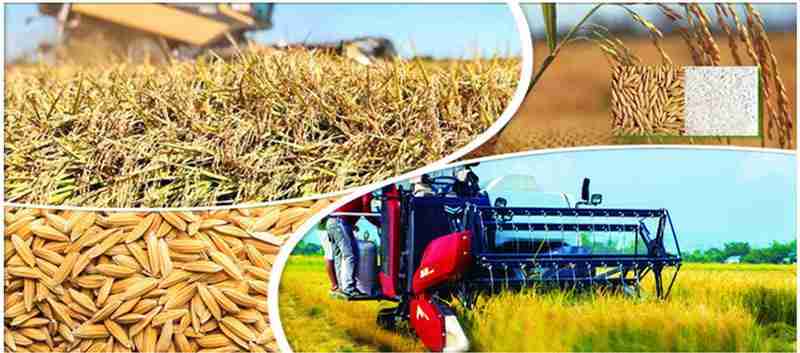
Understanding the Journey from Field to Mill: The Essential Steps in Paddy Processing
The processing of paddy is an intricate journey that transforms freshly harvested rice from its raw state into the polished grains we find in our kitchens. The journey begins in the field, where paddy farmers meticulously harvest their crops using traditional methods or modern machinery. Once harvested, the paddy is transported to processing mills, where it undergoes a series of steps designed to prepare it for consumption. These essential steps include:
- Drying: The newly harvested paddy must be dried to reduce moisture content and prevent spoilage.
- Hulling: The outer husk is removed to obtain brown rice, which still contains the bran and germ.
- Milling: Further processing removes the bran layer, resulting in white rice.
- Polishing: The rice grains are polished for aesthetic appeal, enhancing their shine and texture.
Throughout this transformation, attention to detail is critical. Quality control measures are employed at every step to ensure the rice meets consumer standards. Below is a simplified overview table illustrating the different stages in paddy processing and their respective impacts on rice quality:
| Processing Stage | Purpose | Impact on Quality |
|---|---|---|
| Drying | Prevents spoilage | Retains nutritional value |
| Hulling | Removes outer husk | Increases shelf life |
| Milling | Extracts white rice | Affects taste and cooking time |
| Polishing | Enhances appearance | Improves market value |
Each stage in this systematic processing not only contributes to the rice’s end form but also shapes its quality, flavor, and overall appeal in the market. Understanding these processes illuminates the care and technology behind one of the world’s staple foods, revealing a complex journey that modern consumers often overlook.

Innovative Technologies in Rice Milling: Elevating Efficiency and Quality
Emerging technologies are redefining the landscape of rice milling, significantly enhancing both efficiency and quality. Automation is at the forefront, with cutting-edge machines equipped with advanced sensors and AI-driven analytics that optimize each stage of processing. This shift not only streamlines operations but also minimizes human error, leading to a more consistent product. Energy-efficient milling systems are also gaining traction, reducing consumption and lowering overall operational costs. Key breakthroughs include:
- Advanced Cleaning Technologies: Utilizing high-frequency vibrations and air classification methods to ensure superior husk removal.
- Rice Quality Monitoring: Real-time analysis tools that assess kernel integrity, moisture levels, and purity.
- Biomass Recovery Systems: Converting waste by-products into energy, further enhancing sustainability.
Moreover, digital platforms are transforming supply chain management through traceability and inventory control. These systems harness blockchain technology to guarantee transparency from farm to mill, building trust with consumers while optimizing logistics. The integration of Machine Learning (ML) algorithms also aids in predictive maintenance for milling equipment, reducing downtime and increasing lifespan. To highlight these innovations, consider the following comparison of traditional vs. tech-enabled rice milling:
| Aspect | Traditional Milling | Tech-Enabled Milling |
|---|---|---|
| Efficiency | Manual labor-intensive | Automated processes |
| Quality Control | Variable | Precision monitoring and analytics |
| Energy Consumption | Higher | Optimized and reduced |
Sustainability in Harvest Practices: Balancing Productivity with Environmental Responsibility
In the pursuit of increased yields, many paddy farmers are reevaluating their harvest practices to integrate sustainable techniques that protect the environment. Emphasizing a holistic approach, farmers can adopt methods that not only enhance productivity but also promote biodiversity and preserve soil health. Some impactful strategies include:
- Crop Rotation: Alternating rice with legumes or other crops improves soil nutrients.
- Integrated Pest Management (IPM): Utilizing natural predators to control pests reduces the need for chemical interventions.
- Water Conservation: Implementing systems like drip irrigation minimizes water wastage while optimizing paddy growth.
Furthermore, technology plays a pivotal role in transforming traditional paddy processing into a more sustainable operation. By utilizing precision agriculture tools, farmers can monitor crop health in real time, allowing for targeted interventions that support both yield enhancement and environmental stewardship. The implementation of renewable energy sources, such as solar or biogas, in processing facilities reduces carbon footprints substantially. The following table summarizes a few innovative practices and their benefits:
| Innovative Practice | Benefits |
|---|---|
| Drone Monitoring | Detects issues early, reduces chemical use. |
| Bio-based Fertilizers | Enhances soil structure and nutrient retention. |
| Zero-Residue Harvesting | Minimizes environmental impact, boosts sustainability. |
Building Stronger Supply Chains: Strategies for Enhancing Paddy Processing Operations
To enhance the efficiency of paddy processing operations, it’s crucial to implement robust strategies that streamline supply chain management. One of the foremost approaches involves establishing strong partnerships with local farmers and suppliers, fostering reliable communication and collaboration. By creating a network that emphasizes mutual benefit, processors can ensure a consistent supply of high-quality paddy, which is essential for maintaining product standards. Additionally, implementing technological integration in logistics can significantly boost operational efficiency. Utilizing data analytics for demand forecasting helps reduce waste and optimize inventory management.
Another vital aspect of strengthening supply chains lies in investing in training and development for the workforce involved in paddy processing. Providing education on best practices for handling, milling, and storage not only elevates product quality but also improves employee satisfaction and retention. Furthermore, adopting sustainable practices within the supply chain can enhance brand reputation and expand market reach. By focusing on the following strategies, paddy processors can build resilient supply chains:
- Implementing climate-smart agriculture techniques
- Utilizing automated processing equipment
- Enhancing traceability systems
- Promoting fair trade practices with farmers
| Strategy | Benefits |
|---|---|
| Strong Partnerships | Ensures quality and consistency |
| Technological Integration | Improves efficiency and reduces costs |
| Training Programs | Enhances workforce skills and product quality |
| Sustainability Initiatives | Boosts brand value and market appeal |
Key Takeaways
As we conclude our exploration into the intricate world of paddy processing, it becomes clear that this seemingly simple grain holds within it a rich tapestry of history, culture, and innovation. From the moment the rice plants sway gracefully in the fields to the intricate machinery that transforms them into the staple we know and love, each step is a testament to human ingenuity and adaptability.
The transformation of harvests is not merely about efficiency; it reflects our deep-rooted relationship with the land and our commitment to sustainability. As we face the challenges of a changing climate and growing populations, the evolution of paddy processing will undoubtedly play a crucial role in securing food resources for future generations.
As you ponder the next bowl of rice at your table, consider the journey it has undertaken—from the fruitful fields to the harvesting, milling, and packaging processes that bring it to your kitchen. Understanding this journey not only deepens our appreciation for the food we consume but also highlights the significant role of agricultural innovation in shaping our collective future.
the story of paddy processing is one of connection—between people, nature, and technology. So, whether you’re a farmer, a consumer, or a curious mind, let this journey inspire you to look beyond the grain and recognize the transformative power embedded in every harvest.




