
Transforming Harvest: The Evolution of Paddy Processing Machines
In the quiet dawn of a rural landscape, where the golden fields of paddy sway gently in the breeze, an age-old ritual begins: the harvest. For centuries, the process of transforming this staple grain into consumable food has remained steadfast, yet behind the scenes, a revolution has been quietly unfolding. As farmers emerge from the fields, they are greeted not only by the fruits of their labor but also by the technological advancements that have redesigned the way paddy is processed. From manual methods steeped in tradition to sophisticated machines that enhance efficiency and sustainability, the evolution of paddy processing machines tells a compelling story of innovation. This article delves into the transformative journey of these machines, exploring their impact on agriculture, the environment, and ultimately, our plates. Join us as we uncover the intricate interplay between tradition and technology, revealing how modern solutions are reshaping the landscape of paddy processing for generations to come.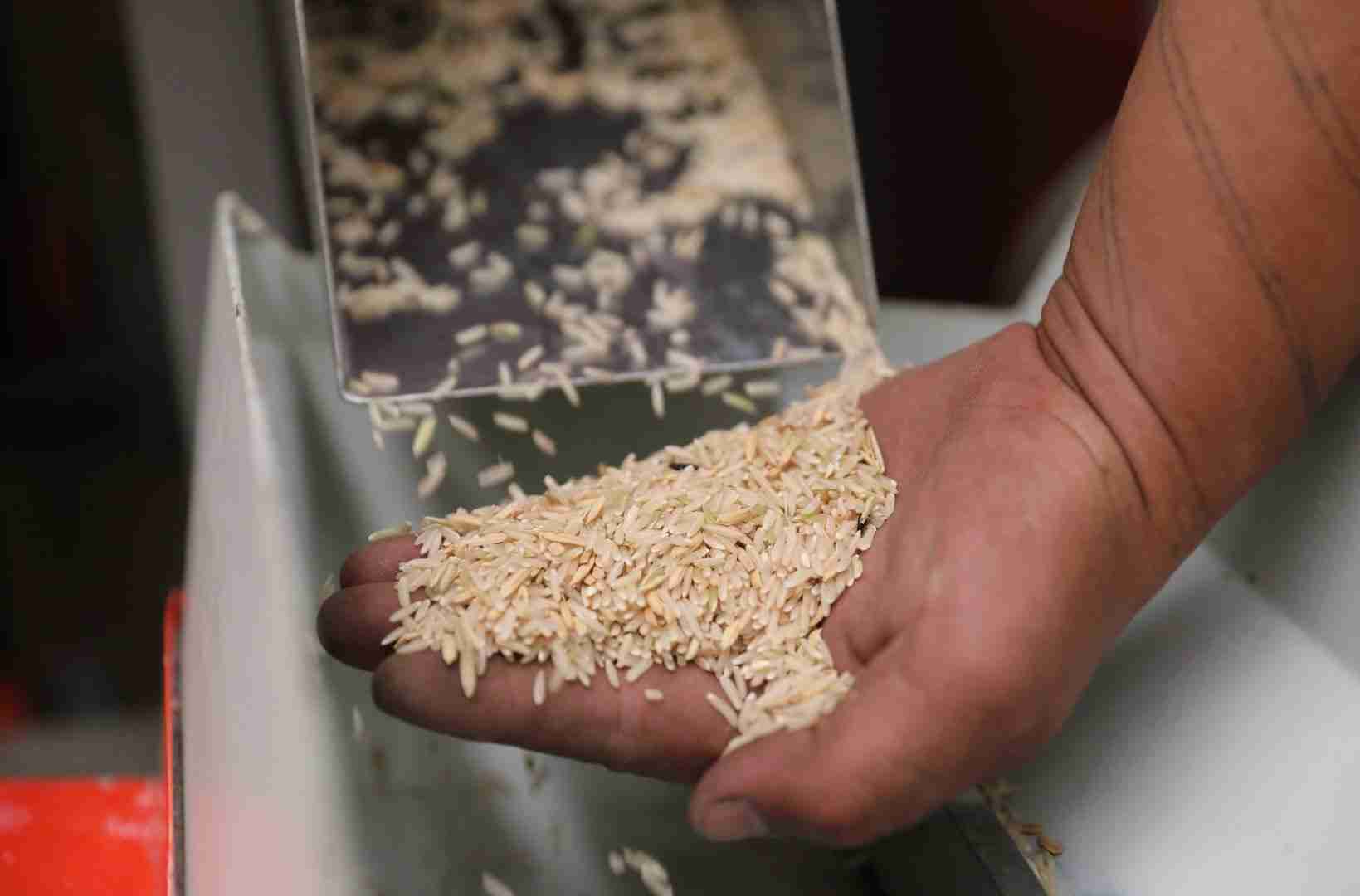
The Journey of Paddy Processing: From Traditional Techniques to Modern Innovations
Paddy processing has undergone remarkable transformations over the centuries, evolving from time-honored methods deeply rooted in regional traditions to cutting-edge technologies enhancing efficiency and productivity. Early techniques often relied on manual labor, where farmers would use simple tools to thresh and husk rice. These methods, while effective for small-scale operations, were time-consuming and labor-intensive, relying on the changing seasons and natural elements to guide their efforts. Today, we witness a shift towards automated machines that streamline the entire process, reducing the physical strain on workers while increasing output and speed.
Modern innovations in paddy processing have introduced advanced machinery that not only expedites the separation of husk and grain but also preserves the quality and nutritional value of rice. These machines are equipped with sophisticated technology such as:
- Optical Sorting: To ensure purity and quality by removing impurities based on color.
- Steam and Heat Treatment: Enhancing shelf life and flavor profiles.
- Automated Milling Systems: Offering precision and efficiency in production.
Additionally, the integration of IoT (Internet of Things) in these machines facilitates real-time monitoring of the processing conditions, enabling better control and adjustment for optimal results. The following table outlines key differences between traditional techniques and modern machinery:
| Aspect | Traditional Techniques | Modern Innovations |
|---|---|---|
| Labor Intensity | High – reliant on manual labor | Low – automated processes |
| Time Efficiency | Slower, seasonal dependence | Rapid, year-round production |
| Quality Control | Vision-based inspection | Automated sorting technology |
| Environmental Impact | Higher due to manual methods | Potentially lower with optimized processes |

Cutting-Edge Technology: An Overview of Today’s Paddy Processing Machines
The evolution of paddy processing machines over the past few decades has fundamentally transformed the agricultural landscape, offering farmers enhanced efficiency and improved output quality. Today’s advanced machines are equipped with state-of-the-art technology that streamlines the entire process from harvesting to milling. Key innovations include:
- Automated Harvesters: These machines minimize labor costs and maximize yield by swiftly harvesting crops with precision.
- Advanced Threshers: Featuring superior grain separation technology, modern threshers dramatically reduce grain loss, ensuring that more paddy makes it to processing.
- High-Efficiency Cleaners: These systems utilize air and sifting mechanisms to remove impurities, substantially improving the quality of the final product.
- Digital Monitoring Systems: Incorporating IoT technology, these systems allow farmers to monitor paddy processing in real-time, ensuring optimal efficiency.
Moreover, the integration of sustainable practices in machine design has become paramount. Manufacturers are increasingly focusing on energy-efficient models that reduce environmental impact while delivering high performance. An example of this commitment to sustainability can be seen in the following comparison of paddy processing machines:
| Machine Type | Energy Efficiency | Key Features |
|---|---|---|
| Traditional Mill | Low | Manual operation, high labor costs |
| Modern Machine | High | Automated, real-time data access |
This comparison underscores the significant leap in both energy efficiency and technological capabilities, paving the way for a more productive and sustainable future in paddy processing.
Efficiency and Sustainability: The Benefits of Advanced Processing Systems
Advanced processing systems have revolutionized paddy processing by seamlessly integrating efficiency and sustainability into their operations. Modern machines are designed to minimize waste, ensuring that every grain of rice harvested is utilized to its full potential. By implementing cutting-edge technology, these systems help achieve higher yield rates and lower energy consumption, paving the way for a greener agricultural future. Key innovations include:
- Automated milling processes that reduce labor costs and time.
- Energy-efficient motors that significantly cut down on electricity usage.
- Water reclamation systems that conserve precious resources.
- Recycling of by-products, such as rice husks for bioenergy or organic fertilizers.
Furthermore, the advanced systems are equipped with real-time monitoring capabilities, allowing farmers to track their production metrics efficiently. This data-driven approach not only enhances operational precision but also contributes to better decision-making, fostering sustainable agricultural practices. The integration of smart technology leads to a significant reduction in carbon footprint, benefitting both the environment and local economies. A comparative analysis of traditional and modern systems illustrates this evolution:
| Aspect | Traditional Processing | Advanced Systems |
|---|---|---|
| Yield Efficiency | 70% recovery rate | 90%+ recovery rate |
| Energy Consumption | High | Minimized through efficiency |
| Water Usage | Substantial | Optimized and recycled |
| Carbon Footprint | Significant | Reduced with sustainable practices |
Future Directions: Innovations on the Horizon for Paddy Processing Technologies
Innovations in paddy processing technologies are set to revolutionize the agricultural sector, providing enhanced efficiency and sustainability. With the rise of smart technology integration, future machines will likely incorporate IoT (Internet of Things) capabilities, allowing farmers to monitor processing operations remotely. This data-driven approach will empower operators with real-time feedback on machine performance, leading to improved decision-making and resource management. Additionally, advancements in automation and robotics promise to reduce labor costs while increasing precision in processing methods.
Another area of potential innovation includes biotechnology, where enhancements in seed variety and strain will yield paddy that is not only resistant to pests and diseases but also tailored for optimal processing characteristics. As industries embrace green technologies, expect to see more energy-efficient machines and eco-friendly practices that minimize waste and support sustainable harvesting. Furthermore, collaborative platforms that enable data sharing among farmers may emerge, creating networks that optimize logistics and processing, leading to a more cohesive and resilient agricultural community.
| Innovative Technology | Benefits |
|---|---|
| Smart Automation | Reduces labor costs and increases processing accuracy. |
| IoT Integration | Allows for remote monitoring and real-time data analysis. |
| Biotechnology | Enhances resilience and processing efficiency of paddy varieties. |
| Green Technologies | Minimizes environmental impact and supports sustainability. |
In Summary
the journey of paddy processing machines mirrors the very essence of agricultural evolution itself—a testament to human ingenuity and resilience. From the rudimentary tools of bygone eras to the sophisticated, automated systems of today, each advancement brings us closer to optimizing efficiency and sustainability in rice production. As we look to the future, it is clear that the continued evolution of these machines will play a crucial role in meeting the demands of a growing population while also addressing environmental challenges. The transformation of harvest is not just about mechanization; it reflects our ongoing commitment to innovation, quality, and the intricate relationship between technology and tradition. As we embrace these changes, we nurture not only the grains that feed the world but also the communities and economies that depend on them.




