
Transforming Harvest: Inside the World of Paddy Processing
As the sun rises over lush green fields, the golden grains of rice shimmer in the morning light, heralding the promise of a bountiful harvest. Behind this picturesque landscape lies a complex and intricate world of paddy processing—a crucial transformation that turns raw, unrefined grains into the staple food cherished by billions. From the rhythmic sounds of machinery to the bustling energy of workers, the journey of paddy is more than just a passage from field to table; it is a delicate interplay of tradition, innovation, and sustainability. In this article, we delve deep into the captivating processes that shape the fate of paddy, exploring how modern technology and age-old techniques come together to meet the growing demands of an ever-evolving culinary landscape. Join us as we illuminate the enigmatic steps that take place beyond the harvest, revealing the art and science of paddy processing in all its forms.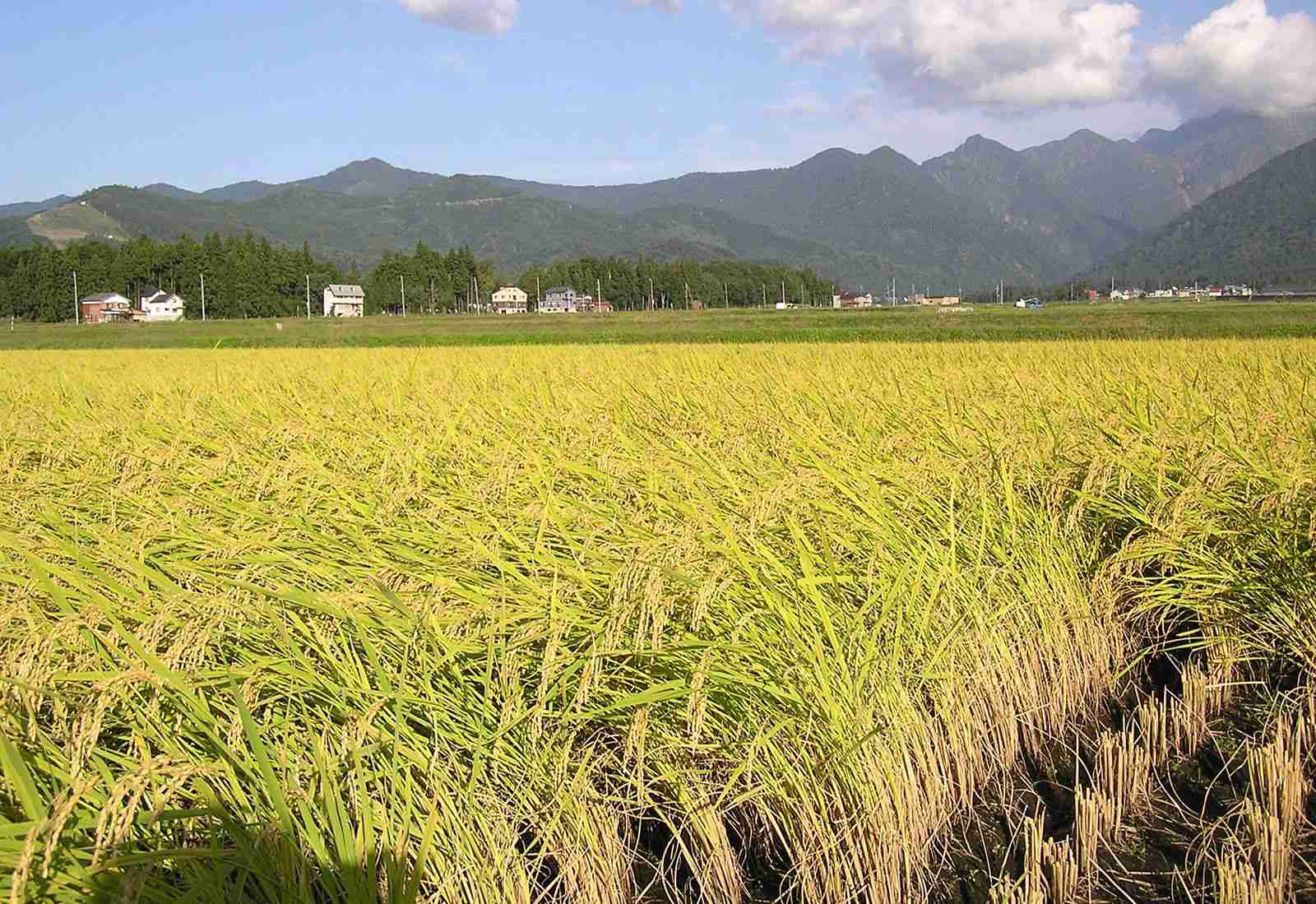
Exploring the Journey from Paddy to Rice: An Overview of Processing Techniques
The journey from paddy to rice is a tale of transformation that begins long before grains fill our bowls. Once harvested, the paddy undergoes several crucial steps to transition into the staple food we see in markets. This process begins with pre-cleaning, which involves removing impurities like soil, straw, and leaves. Following this, the paddy is subjected to drying to bring the moisture content to an optimal level, ensuring that it is preserved correctly for the subsequent stages. The drying process is critical, as excessive moisture can lead to spoilage and hinder the quality of the final product.
Once cleaned and dried, the next phase is milling, where the outer husk, a tough protective layer, is removed through processes such as hulling. This exposes the brown rice, which still retains the bran layer and nutrients. The brown rice can then undergo polishing, where it’s milled further to produce white rice. Within this intricate journey, quality control plays a vital role, ensuring that the end product meets industry standards for cooking and consumption. Below is a summary of these essential steps:
| Processing Step | Description |
|---|---|
| Pre-Cleaning | Removing dirt and impurities from harvested paddy. |
| Drying | Reducing moisture content to prevent spoilage. |
| Milling | Hulling to remove the outer husk and expose brown rice. |
| Polishing | Further milling to produce white rice. |
Enhancing Efficiency: Technological Innovations in Paddy Processing
In the realm of modern agriculture, paddy processing has transformed drastically due to cutting-edge technological advancements. From sophisticated drying methods to advanced milling techniques, these innovations not only enhance productivity but also ensure higher quality rice. Significant improvements include:
- Automated Sorting Systems: Utilizing AI-driven algorithms to sort grains based on size, color, and quality.
- Efficient Dehusking Machines: Employing precise engineering to minimize grain damage during the dehusking process.
- Energy-efficient Dryers: Utilizing solar energy and other renewable resources to reduce energy consumption.
- Smart Monitoring Tools: Implementing IoT devices to monitor moisture levels and maintain optimal storage conditions.
Furthermore, the integration of data analytics plays a crucial role in optimizing paddy processing operations. Farmers and processors are now able to utilize big data to predict crop yields and market demands, leading to more informed decision-making. The impact of these innovations can be illustrated by:
| Technology | Impact |
|---|---|
| Smart Sensors | Enhanced precision in moisture management. |
| Mobile Apps | Easier access to market information and prices. |
| Milling Optimization Software | Reduced waste and increased yield of high-quality rice. |
Quality Control in Paddy Processing: Best Practices for Superior Yield
Ensuring top-notch quality in paddy processing begins long before the grains enter the milling stage. Selection of high-quality raw paddy is paramount; utilizing robust varieties that are resistant to pests and diseases can bolster overall yield. Once harvested, paddy should be carefully handled to prevent damage. Best practices at this stage include:
- Timely Harvesting: Ensuring paddy is harvested at optimal moisture levels.
- Proper Drying: Utilizing mechanical dryers or sun-drying techniques to minimize moisture content.
- Effective Storage: Employing sealed storage solutions to protect against pests and prevent spoilage.
After proper handling, the milling process demands precision and consistency. Implementing quality control checks during each phase of processing can significantly enhance the end product. Key practices include:
- Regular Testing: Assessing grain quality for parameters like moisture, wholeness, and purity.
- Machinery Maintenance: Keeping milling equipment in top condition to prevent contamination and ensure efficiency.
- Quality Assurance Protocols: Establishing standards for finished rice, including taste, texture, and appearance.
| Quality Check Method | Description |
|---|---|
| Visual Inspection | Checking for discoloration and broken grains. |
| Moisture Measurement | Using moisture meters to ensure optimal levels. |
| Taste Test | Conducting sensory evaluations for flavor profile. |
Sustainability in Rice Production: A Path Towards Eco-Friendly Processing Solutions
In recent years, the rice industry has undergone a notable transformation, prioritizing eco-friendly practices that enhance sustainability without compromising productivity. Innovative technologies are being embraced to reduce the environmental footprint of paddy processing. For instance, the deployment of biomass energy systems not only utilizes crop residues but also minimizes dependence on fossil fuels. Additionally, water management practices such as precision irrigation techniques are employed to optimize water usage, ensuring that this vital resource is conserved throughout the growth and processing stages.
Awareness is growing around the adoption of sustainable practices in rice processing, with key strategies being adopted by farmers and businesses alike. These include:
- Organic fertilizers: Enhancing soil health while minimizing chemical inputs.
- Integrated pest management: Reducing environmental impact and promoting biodiversity.
- Post-harvest technologies: Implementing eco-friendly drying and storage methods to prevent spoilage.
Moreover, various stakeholders in the rice supply chain are engaging in partnerships to foster transparency and accountability in sustainability efforts. By sharing knowledge and resources, a collective movement is being formed to create not only eco-friendly processing solutions but also a complete lifestyle shift towards conscious consumption.
Wrapping Up
As we conclude our exploration of the intricate journey from paddy to polished grain, it becomes evident that the world of paddy processing is a tapestry woven with tradition, innovation, and sustainability. From the verdant fields where rice begins its life cycle to the bustling mills that transform it into a staple food for millions, each step of this process tells a story of dedication and ingenuity.
In this era of technological advancement, the challenge remains: how to balance efficiency with environmental responsibility. The advancements in paddy processing not only aim to meet the growing global demand but also strive to enhance food security while minimizing ecological impact. By embracing sustainable practices and modern technology, the industry is poised to revolutionize the way we think about agriculture and nourishment.
As we reflect on the importance of rice in cultures around the world, let us take a moment to appreciate the hands that harvest it and the systems that process it. The story of paddy processing is not just about production—it’s about people, resilience, and the pursuit of a sustainable future. transforming harvests is about more than grain; it’s about cultivating a better tomorrow for generations to come.




