
Transforming Harvest: Inside the Paddy Processing Factory Journey
As the sun rises over verdant fields, a symphony of life begins with the gentle rustle of rice plants swaying in the breeze. For generations, these lush landscapes have been the backbone of countless cultures, providing sustenance, tradition, and livelihood. However, the journey from paddy to polished grain is not merely a tale of agriculture; it is a complex story of transformation and innovation that unfolds within the walls of a processing factory. In this article, we will take you behind the scenes of a paddy processing facility, where cutting-edge technology meets age-old techniques to ensure that every grain retains its quality and integrity. From the moment the harvest is collected to the final packaging, we’ll explore how each step in this meticulous process transforms raw harvest into a staple that graces tables worldwide. Join us as we delve into the heart of the factory journey, shedding light on the unsung heroes who work tirelessly to bring the fruits of the field to our plates.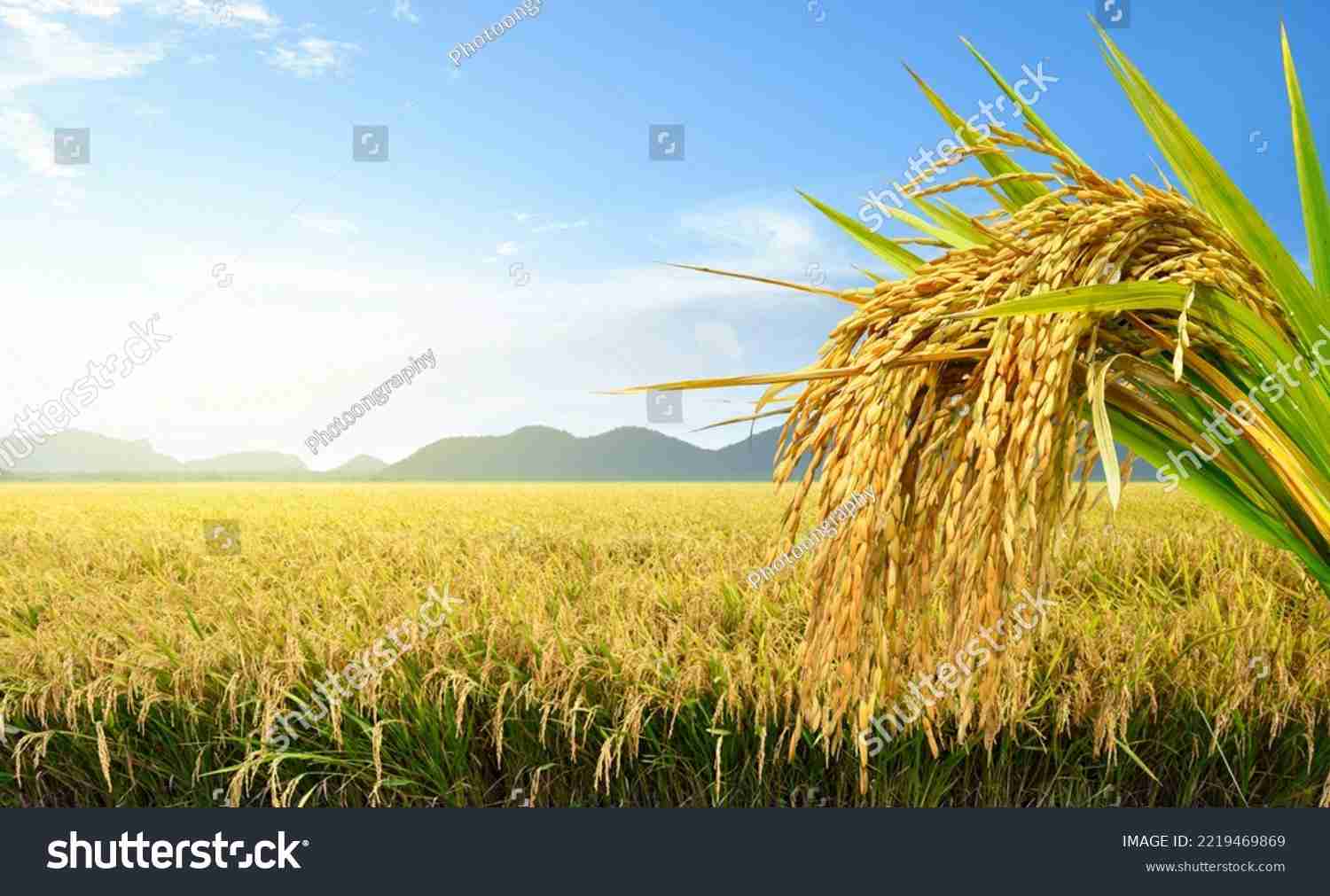
Exploring the Paddy Journey from Field to Factory
The journey of paddy from lush green fields to processing factories is a multifaceted adventure steeped in tradition and innovation. As farmers expertly plunge their sickles into the golden grains, the impending transformation begins. The harvested paddy, filled with potential, is transported swiftly to processing facilities, where it will undergo a captivating metamorphosis. Here, the grains experience various stages that enhance their accessibility and nutritional value:
- Drying: The first step involves reducing moisture content to prevent spoilage.
- Hulling: The outer husk is removed, revealing the brown rice beneath.
- Whitening: Further milling transforms brown rice into the polished white rice we know and love.
- Packaging: the grains are packaged for distribution and sale, ready to nourish people around the world.
At this pivotal stage, quality control becomes paramount. Every batch is meticulously examined for consistency and taste, ensuring that the final product meets the highest standards. To illustrate the critical factors involved in rice quality assessment, consider this table:
| Quality Factor | Description |
|---|---|
| Grain Color | Uniform white color is ideal, indicating purity. |
| Moisture Content | Optimal range is 12-14% for longevity. |
| Grain Size | Longer grains are often associated with better quality. |
Through sustainable practices and meticulous attention to detail, paddy processing factories play a crucial role in transforming this staple crop into a meal enjoyed by millions. The synergy between modern technology and age-old traditions ensures that each grain, from its origin in the field to the final packaging, maintains its integrity while meeting the demands of today’s consumers.

Efficient Techniques in Paddy Processing
Paddy processing has undergone a significant revolution in recent years, marked by the adoption of modern techniques that optimize efficiency and enhance grain quality. Key processes involve the meticulous handling of paddy from harvest to storage, ensuring minimal waste and maximum output. Among the most effective methods are:
- Pre-cleaning: This initial step removes impurities such as dirt, stones, and damaged grains, ensuring a higher quality end product.
- Mechanical Drying: Utilizing advanced drying technology allows for uniform moisture removal, safeguarding the grain during storage.
- Modern Milling Techniques: Implementing precision milling equipment reduces grain breakage and preserves nutritional value, enhancing marketability.
Moreover, the integration of automated sorting systems significantly improves efficiency and accuracy, ensuring that only the highest quality grains reach the packaging stage. Quality control measures, such as:
| Control Method | Description |
|---|---|
| Visual Inspection | Manual checks for color and size uniformity. |
| Moisture Testing | Ensuring the optimal moisture content for storage. |
| Grain Sampling | Regular sampling for pest and mold inspection. |
These practices not only enhance product quality but also contribute to sustainable operations by reducing waste and increasing productivity, thereby transforming the industry landscape.
Quality Control Measures for Optimal Yield
In the pursuit of excellence, a paddy processing factory employs a series of meticulously designed protocols to ensure that every grain meets the highest standards of quality. Regular inspections are crucial, with trained personnel meticulously examining samples at various stages of processing. These checks emphasize the importance of maintaining consistency, purity, and hygiene. To highlight some of the key measures implemented:
- Initial Quality Assessment: Before processing, paddy is sorted to eliminate any damaged or discolored grains.
- Moisture Control: Continuous monitoring of moisture levels during storage and processing helps prevent spoilage and enhances shelf life.
- Machinery Calibration: Regular calibration of processing equipment ensures precision and reduces the risk of grain breakage.
- Hygiene Standards: Comprehensive cleaning protocols for machinery and working environments are enforced to minimize contamination.
In addition to these measures, the factory incorporates a robust feedback system to continuously improve yield quality. Data collected from each batch goes into a centralized system, allowing for trend analysis and prompt adjustments wherever necessary. Here’s a snapshot of the monitoring metrics tracked:
| Metric | Target Value | Current Status |
|---|---|---|
| Grain Purity (%) | 99% | 98.5% |
| Moisture Content (%) | 12% | 11.8% |
| Breakage Rate (%) | 2% | 1.5% |
Such proactive engagement ensures a constant loop of improvement, paving the way for an ever-increasing yield of high-quality paddy. As each day passes in the factory, these stringent protocols not only safeguard the integrity of the harvest but also bolster the confidence of consumers in the products that reach their tables.
Sustainable Practices in Harvest Transformation
At the heart of our processing journey lies a commitment to sustainability, reflected in our efforts to minimize waste and maximize resource efficiency. By implementing eco-friendly technologies and practices, we transform harvested paddy into rice while conserving our environment. Our initiatives include:
- Water Conservation: Employing advanced irrigation techniques that reduce water usage by up to 30%.
- Energy Efficiency: Utilizing solar panels to power machinery, allowing us to harness renewable energy.
- Waste Reduction: Repurposing husks and bran as animal feed and organic fertilizers, closing the loop on waste.
Adopting a circular economy model, our processing facility transforms not just rice, but also our relationship with natural resources. Each step of the process is designed to be mindful of our ecological impact. For instance, the use of biodegradable packaging supports our vision of reducing plastic waste. Here’s a quick comparison of traditional practices versus our sustainable methods:
| Aspect | Traditional Methods | Our Sustainable Practices |
|---|---|---|
| Water Usage | High consumption, often wasteful | 30% less water utilized |
| Energy Source | Fossil fuels dominated | Renewable energy sources, primarily solar |
| Waste Management | Neglected, leading to pollution | Repurposed waste for alternative uses |
To Conclude
As we conclude our exploration into the intricate world of paddy processing, it becomes evident that each grain tells a story—a narrative woven from the dedication of those who labor within the factory walls to the sophisticated machinery that plays an integral role in this journey. The transformation from lush green fields to polished rice on our plates is a testament to innovation and tradition, harmonizing to meet the demands of a growing population while respecting the age-old practices that sustain it.
In a society increasingly focused on sustainability and efficiency, the paddy processing factory stands as a beacon of progress. Each step of the journey, from harvest to the final product, showcases a meticulous balance between technology and human touch, reflecting not only the ingenuity of the industry but also the profound connection we have with the food we consume.
As we move forward, the lessons learned from this journey will continue to shape the future of rice production. With every bowl of rice served, we are reminded of the hard work and dedication that lie behind it. The story of paddy processing is ongoing, continually evolving in its quest to nourish the world, and we invite you to carry this narrative forward, appreciating the transformative journey that enriches our tables and, ultimately, our lives.




