
In the heart of rural landscapes and the bustling corridors of agricultural production, a quiet revolution is taking place—one that transforms humble grains into essential commodities that nourish communities and fuel economies. At the center of this transformation lies the pivotal role of paddy processing units, where raw rice undergoes meticulous processing to become a staple staple on plates around the world. These units not only enhance the quality and shelf-life of rice but also empower local farmers by creating value from their harvests. In this article, we delve into the intricate processes involved in paddy processing, exploring how these units bridge the gap between farm and consumer, all while sustaining livelihoods and shaping the future of food security. Join us as we uncover the significance of paddy processing units in the intricate tapestry of grain transformation.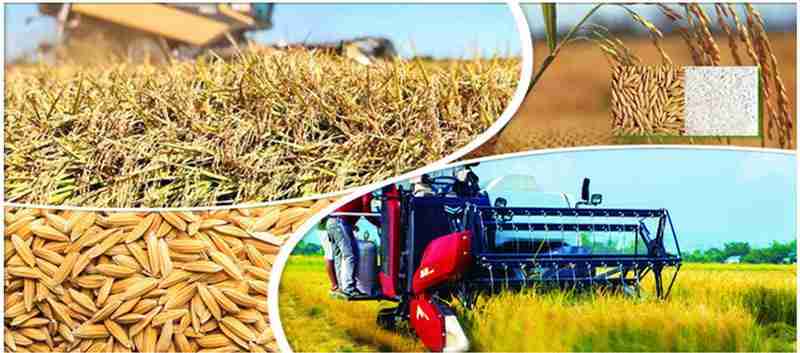
Understanding the Paddy Processing Lifecycle and Its Impact on Grain Quality
The journey of paddy from field to plate is a multifaceted process deeply influenced by the techniques employed in paddy processing. Understanding this lifecycle begins with the harvest, where freshly cut grains are efficiently collected to minimize losses. After harvesting, paddy undergoes several critical stages, including drying, milling, and packaging. Each phase plays a pivotal role in not just the yield, but also in preserving the grain’s quality. For instance, inadequate drying can lead to moisture retention, making grains susceptible to mold and quality degradation, while optimal milling techniques can enhance the texture and nutritional profile, ensuring that the end product meets market standards.
Grain quality is subsequently determined by every decision made in the processing unit, which can have lasting implications on the final product available to consumers. Processing units often implement advanced techniques to sort, grade, and polish the rice, directly impacting its appearance and taste. Consider the following factors influencing grain quality during processing:
| Factor | Impact on Quality |
|---|---|
| Moisture Content | High moisture can lead to spoilage and lower shelf life. |
| Milling Technique | Improper milling can cause grain breakage, affecting presentation. |
| Storage Conditions | Inappropriate storage can lead to pest infestations and quality loss. |
Ultimately, the paddy processing cycle is not just about yield but encompasses a commitment to maintaining high quality that benefits both producers and consumers alike. The intricate relationship between processing methods and grain outcomes underscores the need for continual innovation and adherence to best practices in the industry.

Technological Innovations in Paddy Processing: Enhancing Efficiency and Sustainability
The landscape of paddy processing is rapidly evolving, driven by innovative technologies that aim to streamline operations and promote environmental sustainability. Modern processing units are now equipped with state-of-the-art machinery that not only enhances productivity but also reduces waste at various stages of milling. Some of the groundbreaking developments include:
- Automated Systems: Integration of AI and IoT for real-time monitoring and control.
- Ecosystem-Friendly Practices: Techniques such as water recycling and energy-efficient machinery.
- Quality Control Innovations: Use of advanced sensors to ensure optimal grain quality.
Furthermore, the transition from traditional methods to advanced technology has significant implications for farmers and producers alike. By implementing smart processing solutions, producers are able to achieve higher yields and better quality rice while simultaneously minimizing their carbon footprint. Key advantages of these modern approaches include:
| Advantage | Description |
|---|---|
| Increased Efficiency | Reduction in processing time through streamlined operations. |
| Resource Conservation | Lower water usage and optimizing energy consumption. |
| Enhanced Sustainability | Minimized waste generation and improved lifecycle practices. |
As the industry embraces these advancements, the aim is to not only enhance the quality and quantity of paddy produced but also create a resilient agricultural ecosystem that benefits both producers and the planet.
Economic Benefits of Establishing Local Paddy Processing Units for Farmers
Establishing local paddy processing units offers a multitude of economic advantages for farmers, significantly reshaping their financial landscape. By processing their own grains, farmers can directly access markets that demand value-added products. This not only elevates their earnings but also mitigates dependency on middlemen, thereby increasing their profit margins. Additionally, local processing creates job opportunities within the community, allowing for a more stable local economy and reducing migration to urban centers in search of employment.
Moreover, paddy processing units can enhance the efficiency of resource utilization. When farmers are equipped with the technology for processing, they can manage post-harvest losses effectively, transforming what would otherwise be waste into valuable products, such as rice bran oil and animal feed. This approach promotes sustainability while also diversifying income streams for local farmers. Ultimately, the establishment of these units serves to bolster the entire agricultural supply chain, leading to robust community resilience and economic growth.
Best Practices for Managing Paddy Processing Units: Strategies for Success
Effectively managing a paddy processing unit requires a multifaceted approach that encompasses operational efficiency, quality control, and sustainability. Standard operating procedures (SOPs) should be established to ensure consistent practices across all stages of processing. This includes everything from initial sorting and cleaning to milling and packaging. Regular training sessions for staff can enhance their understanding of these procedures, ultimately leading to improved productivity and reduced error rates. Furthermore, implementing a just-in-time inventory system can minimize waste and ensure that fresh paddy is always processed at peak nutritional quality, which directly benefits end consumers.
Another critical aspect of successful management is embracing technology and innovation. Investing in modern machinery not only boosts output but can also enhance the quality of the final product. Digital monitoring systems can track performance metrics in real-time, providing insights that help optimize operations. Additionally, creating partnerships with research institutions can facilitate the adoption of best practices and new techniques in processing. Establishing a feedback loop with farmers and customers is equally important to adapt strategies based on market demands and the quality of sourced paddy.
| Key Strategy | Description |
|---|---|
| SOP Development | Establish clear processes for each stage of paddy processing. |
| Continuous Training | Regularly update staff skills and knowledge on current best practices. |
| Technology Investment | Upgrade equipment and implement digital monitoring for efficiency. |
| Partnerships | Collaborate with research bodies for innovation in processing techniques. |
Future Outlook
the journey of grains from paddy fields to our dinner plates is a remarkable transformation, shaped significantly by the intricate processes carried out in paddy processing units. These facilities are not merely industrial hubs; they are the critical link that enhances the quality, safety, and nutritional value of one of the world’s most staple foods. As we continue to explore innovative methods and sustainable practices in grain processing, we must recognize the essential role these units play in supporting local economies and ensuring food security. The future of paddy processing is not just about efficiency; it is about cultivating a deeper connection to our food sources and fostering a sustainable agricultural ecosystem. Embracing this transformation can lead us toward a more resilient and food-secure tomorrow, where grains, once humble, stand at the forefront of our culinary evolution.




