
In the heart of agricultural landscapes, where the golden hues of ripening rice fields sway gently in the breeze, lies a world of transformation waiting to unfold. The journey from grain to table is a remarkable process, steeped in tradition yet continuously evolving with technological advancements. This article invites you on an exploration of a paddy processing plant—an intricate hub where the humble paddy is meticulously converted into the staple that nourishes millions. From the moment the harvest is gathered to the final stages of milling and packaging, every step is a testament to the dedication of farmers, engineers, and workers alike. Join us as we delve into the fascinating journey of rice, where each grain tells a story of labor, innovation, and the promise of sustenance.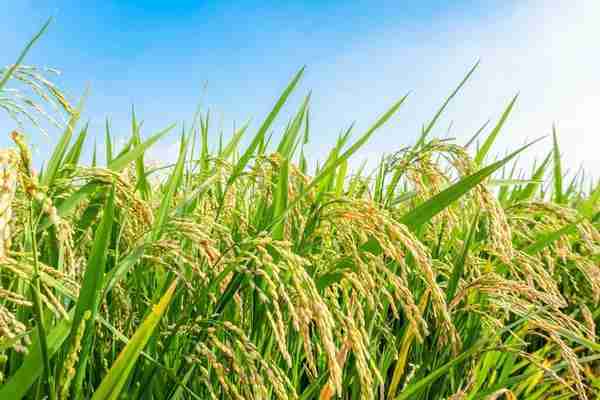
Understanding the Paddy Processing Flow from Field to Mills
Every grain of paddy embarks on a transformative journey, starting from lush green fields and culminating in the refined products we find on our kitchen shelves. The process begins with the careful cultivation and harvesting of paddy, where farmers work diligently to ensure optimal yield. Once harvested, the paddy is dried to reduce moisture content, a crucial step that prevents spoilage and sets the stage for the milling process. This dried grain is then transported to processing plants, where it undergoes a variety of methods aimed at enhancing quality and promoting longevity.
Inside the processing plant, the journey of paddy evolves through several essential stages. As the paddy arrives, it is cleaned to remove impurities such as stones, dust, and unhulled grains. Following this, the paddy is milled, where husks are separated from the edible white rice. The milling process can be categorized into three primary types:
| Milling Type | Description |
|---|---|
| Traditional Milling | Utilizes manually operated equipment for small-scale output. |
| Modern Milling | Involves automated machinery for large-scale production. |
| Hydrothermal Milling | Uses steam treatment to enhance quality before milling. |
After milling, the rice undergoes additional processes such as polishing and grading, further improving its appearance and quality. The end products are then packaged and stored, ready to reach consumers. Each step in this intricate flow not only enhances the grain but also helps sustain the livelihoods of countless farmers and workers linked to this vital agricultural chain.

Exploring Key Technologies That Revolutionize Grain Transformation
In the dynamic realm of paddy processing, a multitude of innovative technologies play a pivotal role in enhancing grain transformation. These modern advancements not only streamline operations but also elevate the quality of the final product. Some of the most significant technologies include:
- Automated Milling Machines: These machines utilize precision engineering to ensure that grains are milled consistently, reducing waste and enhancing yield.
- Infrared Grain Sorters: Employing advanced spectral analysis, these sorters can detect and eliminate impurities, ensuring only the highest quality grains make it to market.
- Steam Parboiling Units: This technology helps improve the nutritional value of rice while minimizing cooking time for consumers.
- Computerized Control Systems: These systems provide real-time data monitoring and process control, ensuring optimal efficiency and minimal downtime.
Furthermore, the integration of IoT (Internet of Things) devices allows for better tracking and management of grain inventory throughout the processing stages. By leveraging data analytics and machine learning, predictive maintenance is enabled, preventing potential breakdowns and ensuring a seamless processing experience. Below is a brief comparison of traditional versus modern processing techniques:
| Aspect | Traditional Techniques | Modern Techniques |
|---|---|---|
| Efficiency | Low | High |
| Quality Control | Manual | Automated |
| Production Time | Long | Short |
| Resource Utilization | Wasteful | Optimized |

Best Practices for Enhancing Quality and Efficiency in Processing
To optimize the quality and efficiency of grain processing, it is essential to implement a variety of effective strategies that streamline operations while maintaining high standards. Focus on integrating advanced technologies that enhance monitoring and controlling systems throughout the processing line. Utilizing automated sensors and real-time data analytics can significantly improve decision-making capabilities, thereby reducing downtime and increasing throughput. Additionally, investing in employee training programs ensures that staff are well-versed in best practices, fostering a culture of safety and productivity on the floor.
Establishing standard operating procedures (SOPs) and conducting regular audits of the process can further elevate quality control measures. Consistent alignment with industry regulations and sustainability guidelines not only enhances product quality but also reflects positively on brand reputation. To illustrate these key practices, consider the following table, which outlines the essential components for successful paddy processing:
| Component | Description | Impact |
|---|---|---|
| Quality Control | Regular testing of grain at various stages | Enhances final product integrity |
| Employee Training | Programs focused on operational best practices | Improves efficiency and safety |
| Technology Integration | Deployment of automation and analytics tools | Increases processing speed and accuracy |
| Sustainability Measures | Incorporating eco-friendly practices | Strengthens market position and compliance |
Sustainable Approaches in Paddy Processing for a Greener Future
In the quest for a more environmentally conscious approach to grain processing, paddy processing plants are increasingly adopting innovative methods that reduce waste and enhance sustainability. By leveraging renewable energy sources, such as solar and wind power, these facilities are not only cutting down on their carbon footprints but also contributing to a cleaner energy landscape. Advanced machinery designed for energy efficiency minimizes electricity consumption, while water recycling systems ensure that every drop used in the milling process is optimized, significantly alleviating stress on local water resources.
Furthermore, responsible waste management practices are integral to modern paddy processing operations. Facilities are now focusing on turning byproducts into valuable resources, employing techniques that extract nutraceuticals from rice bran and repurposing husks as biomass fuel. Initiatives like these help close the loop, transforming what was once deemed waste into products that hold economic and nutritional value. Additionally, partnerships with local farmers encourage sustainable agricultural practices that promote soil health and reduce pesticide use, nurturing a symbiotic relationship between paddy producers and processors.
Concluding Remarks
As we conclude our exploration of the transformative journey that grains undergo within a paddy processing plant, we are reminded of the intricate dance between nature and technology. From the sun-drenched fields to the hushed, sterile alleys of processing plants, each step in this journey is a testament to human ingenuity and the age-old art of agriculture.
The journey of a grain, often taken for granted, is one of resilience and metamorphosis—a cycle that connects the farmer’s toil to our tables, transcending cultural boundaries and uniting us through the universal language of nourishment. As we reflect on the meticulous processes that elevate raw paddy to its polished form, we gain a deeper appreciation for the craftsmanship behind our sustenance.
In this age of increasing awareness about food production and sustainability, understanding the journey of grains encourages us to think critically about our consumption choices. Whether it’s a comforting bowl of rice or an innovative dish that pays homage to ancient grains, we are reminded of the many stories woven into every mouthful.
Thus, the next time you savor a grain-based meal, take a moment to honor the journey that brought it from field to fork. Let us celebrate not only the flavors but also the rich tapestry of traditions, innovations, and ecological considerations that ensure our food systems thrive. For in every grain lies a narrative waiting to be uncovered, a journey worth cherishing.




