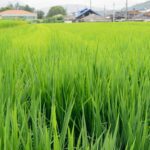
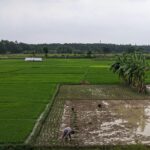
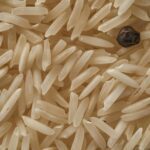
In the heart of agricultural landscapes, where lush green fields sway under the caress of gentle breezes, paddy is born and nurtured. This staple crop, revered across continents, not only sustains billions but also holds a transformative role in the global food chain. As the sun rises each day over sprawling rice paddies, it heralds the beginning of a meticulous journey—one that sees humble grains evolve into a myriad of culinary delights. From the moment golden stalks bow under the weight of ripened grain to their entry into the processing factories, paddy undergoes a remarkable metamorphosis. This article explores the intricate world of paddy processing, shedding light on the technologies, techniques, and human stories that breathe life into this essential grain, ultimately bridging the gap between field and fork.Join us as we delve into the transformative journey of paddy, uncovering the processes that turn it from a simple crop into a cherished staple around the globe.
Understanding the Lifecycle of Paddy from field to Factory
Paddy goes through a meticulous process from the moment it is indeed harvested to when it reaches consumers in its polished form. In the fields, farmers carefully cultivate the crop, paying attention to vital factors such as soil quality, irrigation, and pest management. Once the grains are ripe, they are harvested, typically using mechanical or manual techniques. This initial stage is crucial, as the quality of the paddy will significantly influence the subsequent processing stages. After harvesting, the paddy undergoes drying, where moisture content is reduced to prevent spoilage, followed by husking to remove the outer shell.
Once processed, the journey continues at the processing factory, where the paddy is subjected to a series of transformations. This factory setting employs various methods to convert paddy into rice, ensuring quality and flavor retention. Key stages in this transformative process include:
- Cleaning: Removal of impurities and foreign materials.
- Milling: Removal of bran layers to obtain white rice.
- Polishing: Enhancement of rice texture for better appearance.
- packing: Ensuring proper packaging for distribution.
Throughout this lifecycle, each phase is essential in achieving the desired product quality, impacting not only the taste and nutritional value but also marketability. Below is a simple table that outlines the average time spent at key stages of paddy processing:
| Processing Stage | Average Time (Hours) |
|---|---|
| Drying | 24-48 |
| Husking | 2-3 |
| Milling | 1-2 |
| Polishing | 1 |
innovative Processing Techniques that Enhance Grain Quality
Advancements in grain processing have given rise to techniques that significantly elevate the quality of paddy before it reaches consumers. These innovative methods focus on enhancing the nutritional value and texture of the grains, ensuring that they retain maximum flavor and integrity during handling. Some of the prominent techniques include:
- Hydrothermal Treatment: This technique employs steam and heat to gelatinize starches, improving digestibility and flavor.
- pre-soaking: Soaking the grains prior to milling allows for a more even cooking and can enhance the nutritional profile.
- Cold milling: By grinding paddy without the heat generated in traditional milling, cold milling minimizes nutrient loss and keeps the grains’ natural oils intact.
Moreover,the evolution of equipment and technology plays a vital role in ensuring optimal quality at various stages of the process. Specific machinery is designed to separate impurities while maintaining the structural integrity of paddy. In addition, quality monitoring systems are increasingly being integrated into factories to assess moisture levels, texture, and other parameters in real-time, fostering consistency in production. A summary of these key attributes includes:
| technique | Benefit |
|---|---|
| Hydrothermal Treatment | Improves digestibility and flavor |
| Pre-soaking | Enhances even cooking and nutrition |
| Cold Milling | Minimizes nutrient loss |
Sustainability Practices in Paddy Processing Operations
Paddy processing operations have increasingly integrated sustainability practices to minimize environmental impact while maximizing efficiency and productivity. techniques such as water recycling play a crucial role in this sector, as water is one of the most critical resources during milling. By implementing closed-loop systems, facilities can reclaim water, reducing overall consumption and lessening the burden on local water bodies. Furthermore, the adoption of energy-efficient machinery not only conserves resources but also cuts down greenhouse gas emissions.This modern approach is complemented by the use of renewable energy sources, such as solar panels, providing a enduring power supply for processing plants.
Along with technological advancements, awareness and education among workers are vital for fostering a culture of sustainability. Encouraging practices such as composting waste and utilizing by-products helps ensure that nothing goes to waste.Processing facilities are increasingly engaging with local communities to promote the use of organic fertilizers made from rice husks and bran, benefiting both soil health and crop yields. To track and showcase these efforts, many operations have begun developing sustainability scorecards that highlight key performance indicators. This openness not only builds consumer trust but encourages continuous betterment in sustainable practices.
Strategies for Improving Efficiency and Reducing Waste in Grain Factories
In the quest for enhanced operational performance within grain processing facilities, several strategies are essential. First and foremost, implementing lean manufacturing principles can drastically streamline processes. This involves mapping the entire production workflow to identify bottlenecks and redundancies, allowing for fine-tuning of each step. Additionally, fostering a culture of continuous improvement, where team members regularly suggest enhancements, can lead to innovative solutions that cut waste and improve processes. Regular training sessions focusing on efficiency can empower employees to take ownership of their roles, resulting in a more motivated workforce.
Moreover, technology integration plays a pivotal role in modernizing operations in grain factories. Automation systems such as sensors and monitoring software can track material flow and detect issues in real-time, preventing needless resource consumption. On a larger scale, adopting data analytics can provide valuable insights into production patterns, enabling management to make informed decisions that lead to reduced waste. Implementing a robust waste management system, characterized by recycling and reusing, also contributes to sustainability. This includes measuring waste output and actively seeking methods to minimize it, ultimately culminating in a more efficient and eco-friendly production environment.
Wrapping Up
As we conclude our exploration of the transformative journey of paddy within processing factories, we reflect on the intricate dance that occurs behind the scenes. From the swaying fields where golden grains are harvested to the bustling facilities where they undergo meticulous processing, each step is a testament to human ingenuity and dedication. The metamorphosis of paddy into its myriad forms—flour, rice, and beyond—illustrates not only the technological advancements that have streamlined these processes but also the deep cultural importance that grains hold in our daily lives.
In understanding this journey,we recognize the vital role of processing factories as hubs of innovation and efficiency. They stand as a bridge between agriculture and nourishment, ensuring that the essence of paddy is preserved and celebrated in kitchens around the world. As we savor our meals, let us be mindful of the journey that brought those grains to our plates, honoring the labor and expertise woven into every bite. The story of paddy is an ongoing narrative of transformation, resilience, and connection—a reminder that food is not just sustenance but a reflection of our shared humanity.