
Transforming Grains: The Journey of a Paddy Processing Unit
In the lush, emerald fields where sunshine dances upon dewdrops, paddy plants sway gently in the breeze, standing as a testament to nature’s bounty. Yet, behind this serene landscape lies a dynamic world of transformation, as unassuming grains undergo an intricate metamorphosis to become the staple food cherished around the globe. This article embarks on a journey through the heart of a paddy processing unit—an essential hub where raw, harvested rice is elevated to its finished form. We will explore the meticulous processes, cutting-edge technology, and dedicated craftsmanship that converge to ensure that paddy is not merely harvested but transformed into the fragrant, nutritious grain that graces our tables. Join us as we delve into the fascinating interplay of tradition and innovation in the grain processing industry, uncovering the vital role these units play in feeding the world.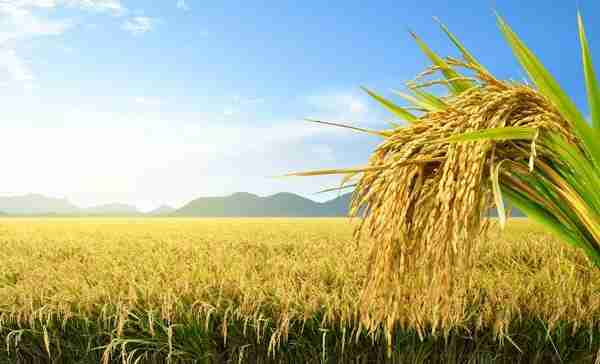
Understanding the Paddy Processing Lifecycle
The journey of paddy processing is a meticulously orchestrated series of steps that transform raw grains into market-ready rice, ready to grace our tables. The lifecycle begins with harvesting, where ripe paddy is gathered from the fields using specialized machinery or traditional methods. Once harvested, the paddy undergoes drying to reduce moisture content, which is crucial for preventing spoilage and ensuring quality. Following this, the paddy moves into the milling stage, a critical phase where husks are removed to reveal the precious grains. This stage includes various processes such as dehusking, whitening, and grading, which ensure the rice is polished and sorted according to quality standards.
Throughout the processing lifecycle, quality control plays an essential role in safeguarding the integrity of the rice. Each batch is subjected to stringent testing procedures to determine its moisture level, soundness, and contamination risks. Here are some key factors considered during the quality assessment:
- Moisture Content: Essential for preventing spoilage.
- Grain Color: Affects market value and consumer preference.
- Impurities: Must be minimized for higher quality output.
After passing inspection, the rice is packaged and ready for distribution, enriching diets across the globe. The entire cycle, from seed to product, embodies the dedication of the agricultural and processing sectors to deliver a staple that sustains countless families. The efficiency and effectiveness of a paddy processing unit directly influence the quality and availability of rice, emphasizing the importance of understanding each phase of this lifecycle.

Innovative Techniques in Grain Transformation
The journey of transforming raw grains into valuable food products involves a blend of tradition and technology. In a modern paddy processing unit, several innovative techniques have emerged to enhance efficiency and quality. One of the foremost methods includes advanced milling technology, which incorporates precision machinery to minimize grain damage and optimize yield. This system not only improves the quality of the rice produced but also reduces waste significantly. Additionally, drying technology has progressed with the use of solar drying and heated air systems that effectively remove moisture while preserving the nutrients essential for a balanced diet.
Another crucial aspect is automated sorting and grading systems that utilize machine learning algorithms to categorize grains based on size, shape, and quality. These systems ensure uniformity and reduce the likelihood of contamination, leading to safer consumables. The incorporation of packaging innovations is also noteworthy, where eco-friendly materials are now prevalent, reducing the environmental footprint of food production. Below is a brief overview of the key innovative techniques adopted:
| Technique | Description |
|---|---|
| Advanced Milling | Precision machinery reduces damage and enhances yield. |
| Solar Drying | Nutrient preservation while effectively removing moisture. |
| Automated Sorting | Machine learning for quality grading and contamination prevention. |
| Eco-Friendly Packaging | Use of sustainable materials to lower environmental impact. |
Quality Control Measures for Optimal Output
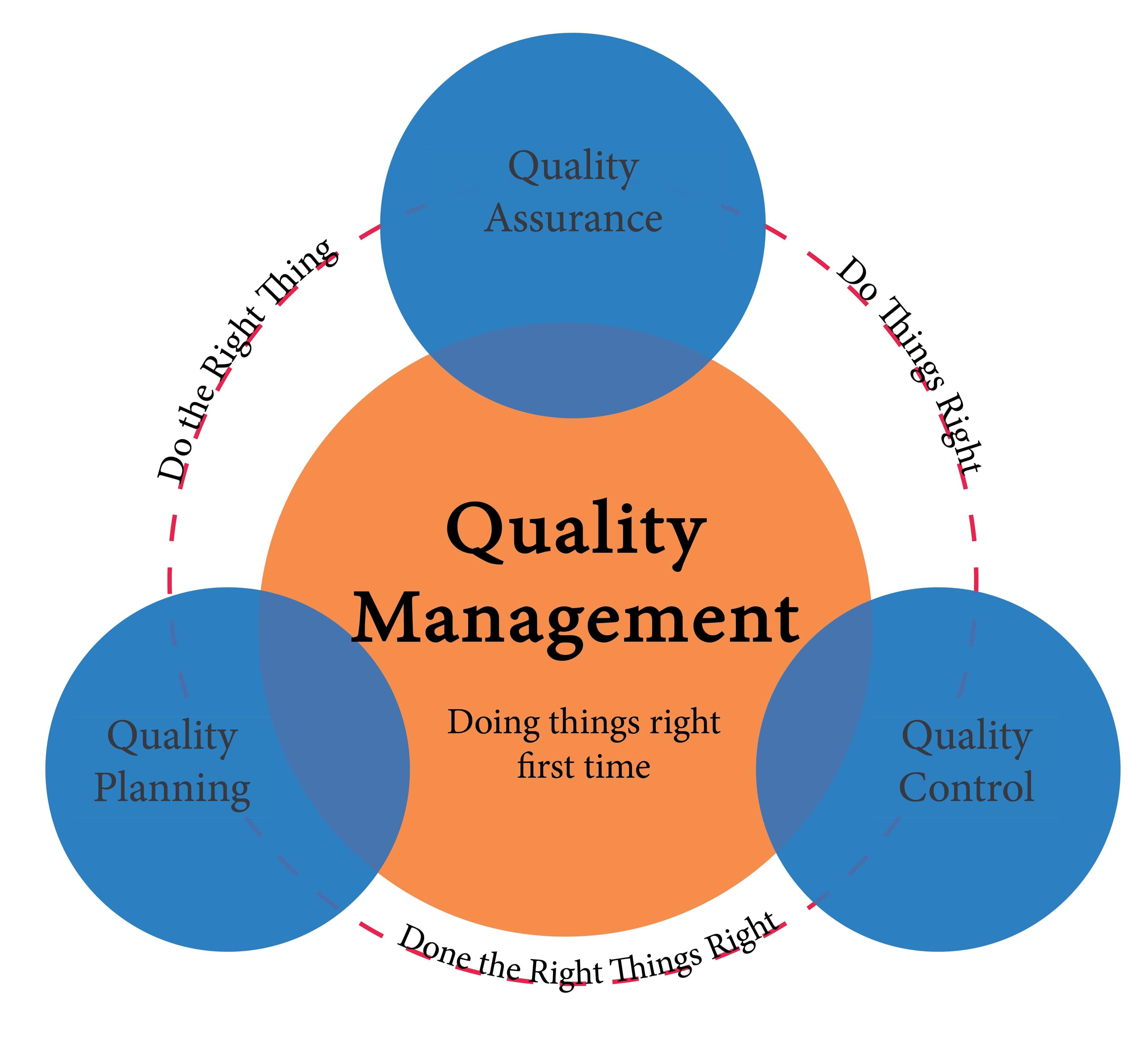
Ensuring the highest quality of processed grains requires a multifaceted approach to quality control. From the moment paddy grains arrive at the processing unit, they undergo meticulous inspection and categorization. Visual assessment is the first line of defense, where workers evaluate the grains for color consistency, moisture levels, and any signs of contamination. In addition, laboratory tests are routinely conducted to further assure quality, including checks for pesticide residues and mycotoxins. This rigorous initial screening guarantees that only the best grains move forward in the processing stream.
Once the grains begin processing, several quality control checkpoints are established throughout the journey. Key measures include:
- Cleaning and De-stoning: Removal of impurities to prevent damage during milling.
- Moisture Control: Maintaining optimal moisture levels to prevent spoilage.
- Grading: Sorting grains based on size and quality, ensuring uniformity for consumers.
Moreover, a comprehensive tracking system is employed to monitor each batch’s processing parameters. An example of this tracking could be represented in a table:
| Batch ID | Moisture Level (%) | Cleaning Status | Final Grade |
|---|---|---|---|
| A1 | 14.2 | Complete | Premium |
| A2 | 12.8 | Complete | Standard |
| A3 | 13.5 | In Progress | N/A |
This level of oversight not only ensures excellence in the finished product but also builds consumer trust, reflecting the commitment to delivering only the highest quality grains to the market.
Sustainable Practices for Future-Ready Processing Units
Embracing eco-friendly approaches in paddy processing units signifies a crucial shift towards sustainability in agriculture. One way to achieve this is through the implementation of energy-efficient technologies that minimize the carbon footprint of processing operations. Such technologies include solar-powered driers and biomass energy systems, which not only reduce reliance on non-renewable fuels but also enhance the resilience of the processing unit against rising energy costs. In addition, adopting automated systems can significantly lower waste generation by optimizing resource usage and ensuring precise measurements during the processing stages.
Another pivotal aspect of sustainable practices is water management. Paddy processing units can introduce rainwater harvesting systems and water recycling techniques to mitigate water scarcity issues during peak processing seasons. By capturing and reusing water, these units can ensure a consistent supply while decreasing dependency on freshwater sources. Additionally, integrating organic waste management solutions, such as composting rice husks and straw, can lead to the creation of natural fertilizers, closing the resource loop and enriching soil health. Ultimately, these measures not only contribute to a healthier environment but also fortify the processing units against future challenges.
| Practice | Benefit |
|---|---|
| Energy-efficient technologies | Lower carbon footprint & cost savings |
| Water recycling | Conserves resources & reduces costs |
| Organic waste management | Enhances soil health & reduces waste |
In Summary
the journey of a paddy processing unit is a fascinating tapestry woven from tradition, innovation, and sustainability. As we’ve explored, each stage—from the careful selection of paddy to the intricate processes of milling and packaging—plays a crucial role in transforming raw grains into the staple foods that nourish communities around the globe.
The evolution of technology in this sector not only enhances efficiency but also underscores the importance of preserving quality and flavor in our grains. As consumers, fostering an appreciation for the journey of our food can inspire more mindful choices in the kitchen, leading to a deeper connection with the origin of our meals.
As we continue to navigate the complexities of modern agriculture and food production, it is imperative to champion practices that honor both the environment and the farmers who cultivate these vital resources. The paddy processing unit stands as a beacon of innovation—reminding us that from humble beginnings arise transformative journeys that connect people, foster economies, and feed the world. So, the next time you savor a bowl of rice, remember the intricate path it traversed to reach your plate, and the countless hands that contributed to that journey.




