
Transforming Grains: The Journey Inside a Paddy Processing Plant
As the sun rises over the lush green fields, casting a golden hue on the ripening rice paddies, a silent revolution begins to unfold within the walls of a paddy processing plant. Here, nature’s bounty undergoes a meticulous transformation, turning humble grains into the staple that sustains millions around the world. This article invites you to embark on a journey through the intricate processes of a paddy processing plant, where technology and tradition merge. From the moment the harvested rice arrives, still cloaked in its protective husk, to its final destination as polished white grains, we will explore each step of the journey. Along the way, we will uncover the fascinating techniques employed, the challenges faced, and the skilled artisans whose hands guide the grain from field to table. Join us as we delve into the heart of grain transformation, revealing the hidden complexities behind one of humanity’s most essential resources.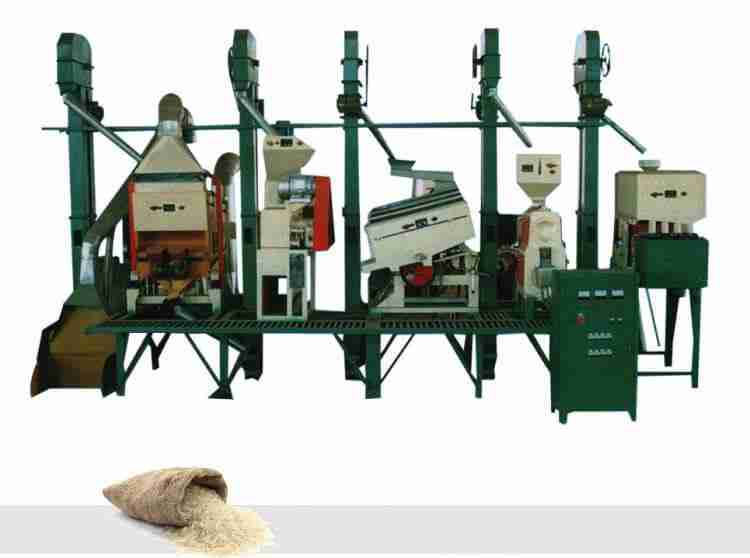
Exploring the Anatomy of a Paddy Processing Plant
The journey of transformation in a paddy processing plant begins with the careful reception and grading of raw paddy. This initial stage is crucial as it ensures that only the highest quality grains proceed further along the processing line. Workers meticulously inspect the grains for moisture content and impurities, sorting them into various categories for optimal processing. Once graded, the paddy is subjected to pre-cleaning, which involves the removal of unwanted debris through vibration screens and air blowing systems. This process guarantees that the grains are free from pollutants, ensuring a clean batch for the next stages.
Following pre-cleaning, the paddy enters the dehusking phase, where the outer husk is removed through a series of machines that apply pressure and friction. This pivotal transformation reveals the brown rice hidden beneath. Subsequently, the grains undergo polishing, enhancing not only the appearance of the brown rice but also improving its shelf life and marketability. The plant incorporates several additional steps, including grading and packaging, to ensure that each batch meets the consumers’ expectations. The synergy of these processes creates a product that is ready for distribution and culinary use, demonstrating the intricate nature of grain transformation.
Unveiling the Techniques of Grain Transformation
The journey of grain transformation begins at the heart of a paddy processing plant, where raw, harvested paddy undergoes a meticulous metamorphosis into polished rice. The process starts with cleaning, a crucial step to remove impurities such as dirt, stones, and plant debris. High-tech machinery does the heavy lifting, utilizing air blowers and screens to ensure that only the finest grains remain. Once cleaned, the paddy is subjected to soaking, wherein it is immersed in water to enhance its moisture content, preparing it for the next stage. This is followed by steaming, which not only cooks the grain slightly but also aids in gelatinizing the starch, yielding a end product that boasts both flavor and nutrition.
Post steaming, the milling process takes center stage, where the paddy is hulled to separate the rice grain from its hard outer shell. This process employs a series of rollers and friction machines that gently remove the husk while minimizing grain breakage. Once hulled, the rice undergoes polishing, where a thin layer of bran is buffed off to create the bright, white rice consumers are familiar with. the processed rice is meticulously sorted by size and quality through grading, ensuring that only perfect grains make it to the packaging stage. The entire process is a careful balance of tradition and technology, culminating in the glossy grains ready to nourish tables around the world.
| Process Stage | Description |
|---|---|
| Cleaning | Removal of impurities using air and screens. |
| Soaking | Moisture enhancement before milling. |
| Steaming | Prepares grains for optimal milling. |
| Milling | Separation of rice grain from husk. |
| Polishing | Buffs off bran for glossy appearance. |
| Grading | Sorting by size and quality before packaging. |

Maximizing Efficiency: Best Practices for Operations
In any paddy processing plant, the smooth flow of operations is crucial for turning raw grains into quality products. Streamlining workflows can significantly enhance productivity. Integrating technology into the processing line can drastically reduce manual labor and cut down on processing time. Automated systems can be employed to perform several tasks such as hulling, whitening, and grading, allowing for consistency and precision in the final output. Additionally, maintaining a well-organized workflow helps to minimize delays:
- Utilize modular equipment that can be easily adjusted or added.
- Implement real-time monitoring systems for better oversight.
- Encourage cross-training among staff to ensure versatility.
Moreover, efficiency is not solely dependent on machinery; it extends to resource management and employee engagement as well. Proper scheduling can align workforce availability with peak operational periods, minimizing downtime. Establishing a culture of continuous improvement encourages workers to contribute ideas for better practices or potential savings. Regular maintenance checks on all equipment prevent unexpected breakdowns and prolong the lifespan of the machines, ensuring a smooth and efficient processing line:
| Maintenance Activity | Frequency | Purpose |
|---|---|---|
| Lubrication of Moving Parts | Weekly | Prevent wear and tear |
| Calibration of Machines | Monthly | Ensure accuracy in processing |
| Inspections of Safety Equipment | Quarterly | Enhance workplace safety |
Sustainable Innovations in Paddy Processing Techniques
Within the realm of paddy processing, sustainable innovations are increasingly taking center stage, reshaping how grains are transformed while minimizing environmental impact. Advanced technologies such as solar drying systems and biomass energy utilization have emerged, significantly reducing the carbon footprint associated with traditional methods. These innovations not only optimize resource use but also enhance the quality of the rice produced. Among the breakthroughs are:
- Water-efficient husking machines that reduce water waste during processing.
- Eco-friendly milling processes that minimize energy consumption and conserve vital resources.
- Waste valorization techniques that convert by-products into biofertilizers or renewable energy sources.
As the industry evolves, the adoption of smart technology plays a pivotal role in promoting sustainability. Automated monitoring systems employ IoT devices to track resource usage, ensuring that energy and water are used efficiently throughout the paddy processing cycle. The integration of data analytics contributes to informed decision-making, allowing for adjustments that further reduce wastage. In alignment with these advancements, here’s a glance at the benefits of these sustainable practices:
| Innovation | Benefits |
|---|---|
| Solar Drying | Reduces reliance on fossil fuels |
| Water-efficient Mills | Conserves water supply |
| Waste Conversion | Transforms waste into valuable resources |
| IoT Monitoring | Enhances efficiency and reduces waste |
Future Outlook
As the sun sets over the verdant fields where golden grains sway gently in the breeze, our journey through the intricate world of paddy processing comes to a close. We have explored the mechanical symphony of huskers and polishers, the meticulous attention to quality that defines each grain, and the tireless passion of the workers who breathe life into this age-old craft.
In these processing plants, grains undergo a metamorphosis, emerging from their humble origins to become the staple foods that nourish millions across the globe. This journey, marked by tradition and innovation, sheds light on the delicate balance between nature and technology, between heritage and progress.
As we step away from the hum of machines and the scent of freshly milled rice, we are reminded that each grain carries with it stories of the land, the labor, and the love that transforms it into something extraordinary. Whether it graces our plates in a comforting meal or fuels our daily lives, the humble paddy stands as a testament to the art of transformation, a journey not just from field to fork, but from potential to purpose.
Thank you for accompanying us on this exploration of the paddy processing plant—a place where grains metamorphose, and where we begin to appreciate the profound significance of the simple, yet remarkable, journey of food.




