Transforming Grains: The Art and Science of Paddy Processing
In the tranquil embrace of lush green fields,where the dance of sunlight and gentle breezes intertwine,lies the essence of a staple that has nourished civilizations for centuries—rice.The journey from paddy to plate is not merely a tale of agricultural abundance but a fascinating intersection of art and science. As grains are harvested, threshed, and milled, an intricate process unfolds, revealing the myriad transformations that elevate raw paddy into the fragrant grains that grace our tables. This article explores the delicate balance of tradition and innovation that defines paddy processing, illuminating the techniques and technologies that convert these humble grains into a culinary cornerstone found in cuisines around the globe. Join us as we delve into the rich tapestry of this vital industry, uncovering the secrets behind the change of paddy and celebrating the craftsmanship that lies at its heart.
Exploring the Journey from Harvest to Hull: Understanding Paddy Processing Techniques
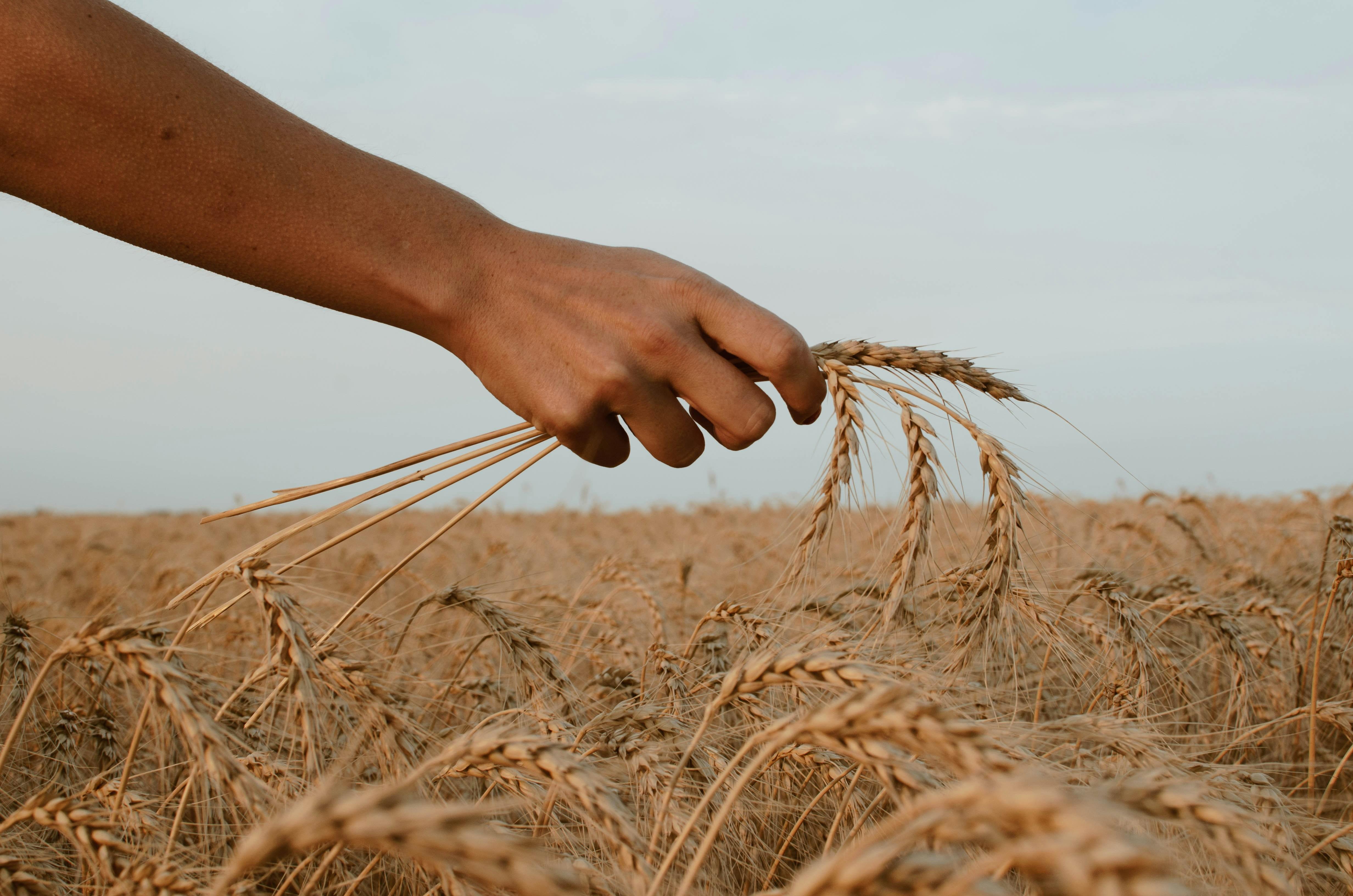
Paddy processing is a fascinating journey that begins in lush, green fields and culminates in the final product – rice. This transformation involves several intricate stages that aim to remove the inedible husk while preserving the grain’s nutritional value and integrity. At the heart of this process lies an array of techniques, each contributing to the quality of rice on our plates. The initial step is harvesting, where mature paddy is cut and collected. Following this, threshing separates the grains from the stalks. Once cleaned, the grains undergo drying to reduce moisture content, preventing spoilage during storage and transport.
Later, the paddy enters the milling stage, a pivotal point where the true transformation occurs. This phase can be further divided into several critical tasks, including husking, whitening, and polishing.Each step is carefully calibrated to enhance the rice’s appearance and taste. Key techniques include:
- Husking: Removing the outer shell of the paddy grain.
- Whitening: Polishing the grain to achieve a smooth outer surface.
- Grading: Sorting grains by size and quality.
The efficiency and technology employed in these procedures can substantially affect the final product, ultimately shaping the culinary and economic value of rice.Below is a glimpse into the processing stages:
| Processing stage | Purpose |
|---|---|
| Harvesting | Collecting mature paddy |
| Threshing | Separating grains from stalks |
| Drying | Reducing moisture content |
| Milling | Preparing rice for consumption |

Technological Innovations in paddy Milling: Enhancing Efficiency and Quality
Advancements in paddy milling technology have revolutionized the way grains are processed, introducing methods that significantly enhance both efficiency and quality. Modern milling machines are now equipped with refined sensors and automation systems, allowing for precise control over parameters such as moisture content and kernel integrity. This improved accuracy reduces overall waste and ensures a higher yield of polished rice, while maintaining the nutritional value of the grain. Key innovations include:
- Smart Milling Technology: Integrates IoT devices for real-time monitoring.
- Energy-efficient Machines: Consume less power, reducing operational costs.
- Multi-stage Milling Processes: Optimize each phase for superior quality.
Moreover, data analytics play a crucial role in modern paddy milling. By collecting and analyzing processing data, mill operators can make informed decisions that lead to continuous advancement. This technology not only leads to better finished products but also allows for consistent quality assurance. For stakeholders in the agriculture and food industries, the implementation of such technologies presents a beneficial opportunity to meet growing consumer demands effectively. A quick overview of the impact of these innovations can be seen in the table below:
| Innovation | benefit |
|---|---|
| IoT Integration | Real-time data for optimal processing |
| Energy-efficient Systems | Lower operational costs |
| Automated Quality Control | Consistent product quality |
Sustainability in Grain Transformation: Eco-Friendly Practices for the Future
In the quest for a lasting future, embracing eco-friendly practices during grain transformation is not just a trend, but a necessity. By implementing methods that minimize environmental impact, processors can contribute to a healthier ecosystem while maintaining the quality and nutritional value of the grains. Water conservation, energy efficiency, and the reduction of greenhouse gases are crucial pillars of these sustainable practices. Such as, utilizing rainwater harvesting systems can significantly decrease reliance on groundwater, while solar energy panels can power processing facilities, reducing carbon footprints and enhancing operational efficiency.
Additionally, adopting integrated pest management (IPM) in grain cultivation not only helps in maintaining biodiversity but also reduces the need for chemical pesticides. Supporting local farmers through fair trade practices can create a more resilient supply chain, ultimately benefiting communities and preserving indigenous agricultural knowledge.To highlight the impact of these eco-friendly practices, consider the following table that outlines various advantages:
| practice | Benefits |
|---|---|
| Water Conservation | Reduces resource depletion and promotes sustainable agricultural practices. |
| Renewable Energy Sources | minimizes greenhouse gas emissions and decreases dependency on fossil fuels. |
| Integrated Pest Management | Protects crops with minimal chemical use, enhancing environmental health. |
| Fair Trade Practices | Supports local economies and promotes ethical labor standards. |
Nutritional Considerations: Maximizing Health Benefits Through Proper Processing
Processing paddy rice is not merely an industrial task but a crucial step that significantly impacts its nutritional profile. By adopting appropriate processing techniques, producers can enhance the bioavailability of essential nutrients while minimizing potential anti-nutritional factors. For instance, processes like parboiling can increase the retention of important vitamins and minerals, making the grain not only more nutritious but also more palatable. Moreover, soaking paddy prior to milling can definitely help unlock the nutrients held within the bran and germ layers, offering a more holistic nutrient profile than white rice alone.
To maximize health benefits, it is essential to consider various methods of processing and their nutritional implications. The choice of milling techniques plays a notable role in preserving nutrients. Consider the following advantages of different processing methods:
- Whole Grain Processing: Retains bran and germ, maximizing fiber and nutrient retention.
- Brown Rice Milling: Provides healthier options with rich layers of nutrients.
- Degermination: Removes layers rich in fats but can also strip away many vitamins.
- Enrichment: adds back essential vitamins post-processing to compensate for nutrient losses.
Popular processing methods can be compared in the table below, highlighting their respective nutritional advantages:
| Processing Method | Nutritional Benefits | Potential Drawbacks |
|---|---|---|
| Parboiling | Better retention of vitamins, improved texture | Increased cooking time |
| Milling to White Rice | Quick cooking, longer shelf life | loss of fiber and vitamins |
| Brown Rice Processing | Rich in fiber, minerals, and antioxidants | Requires longer cooking time |
Closing Remarks
As we journey through the intricate world of paddy processing, we unveil the delicate balance of art and science that transforms humble grains into vital staples. Each stage of this meticulous process, from harvesting to milling, is imbued with tradition and innovation, reflecting the cultural significance of rice across societies. By understanding the nuances of paddy processing,we not only appreciate the craftsmanship involved but also recognize its impact on food security and sustainability. As we leave behind the fields of golden grains, we carry with us a deeper respect for the skilled hands that shape our meals and the complex systems that drive this indispensable industry. In celebrating this transformation, we honor not just the grain itself, but the stories woven into every bowl of rice we savor.