
Transforming Grains: Inside the World of Paddy Processing
In the quiet hum of bustling rice mills and the rhythmic whir of modern machinery, a remarkable transformation is taking place—a journey from paddy field to polished grains. The world of paddy processing is not merely an industrial process; it is a confluence of tradition and innovation, where age-old practices intertwine with cutting-edge technologies to elevate a staple food into a cornerstone of global cuisine. As we delve into the intricate steps that shape this essential ingredient, we explore the delicate balance between preserving the rich heritage of rice cultivation and embracing the advancements that ensure quality and sustainability. Join us as we unravel the complexities of paddy processing, uncovering the stories behind the grains that nourish millions around the world.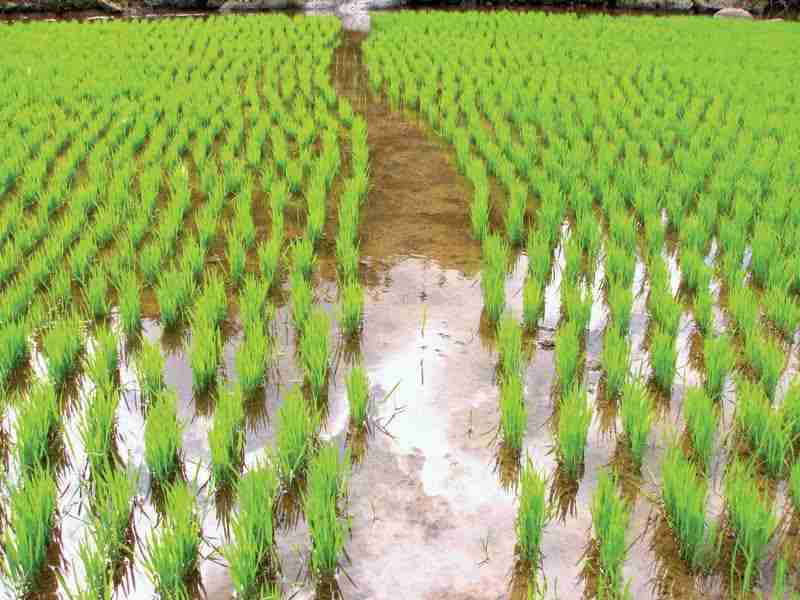
Exploring the Journey from Paddy to Rice: An In-Depth Look at Processing Techniques
The journey of transforming paddy into rice is a remarkable process that engages various techniques honed over centuries. Initially, once harvested, the paddy undergoes threshing where the grains are separated from the husk without losing any valuable kernels. This step is crucial, as it sets the stage for the subsequent drying phase. Here, the grains are spread out under the sun or treated using mechanical methods to ensure they reach the optimal moisture content. The careful removal of moisture not only preserves the rice’s quality but also prevents spoilage, making this a vital stage in processing.
Following drying, the paddy enters the milling stage, which consists of several sub-processes aimed at refining the grain. These include dehusking, where the outer husk is removed, and whitening, which polishes the rice, making it visually appealing and ready for market. Here’s a quick look at the main steps involved:
| Processing Stage | Description |
|---|---|
| Threshing | Separating grains from husk |
| Drying | Reducing moisture content |
| Dehusking | Removing the outer husk |
| Whitening | Polishing grains for appearance |
the processed rice is graded and packaged, ready to be distributed worldwide. Each stage is pivotal, influencing not only the quality and flavor of the rice but also reflecting the traditions and agricultural practices of the regions where it is cultivated. Thus, understanding the journey from paddy to rice unveils a world where craftsmanship and technology harmoniously coexist to bring this staple food to our tables.
The Nutritional Impact of Grain Transformation: Enhancing Quality and Safety
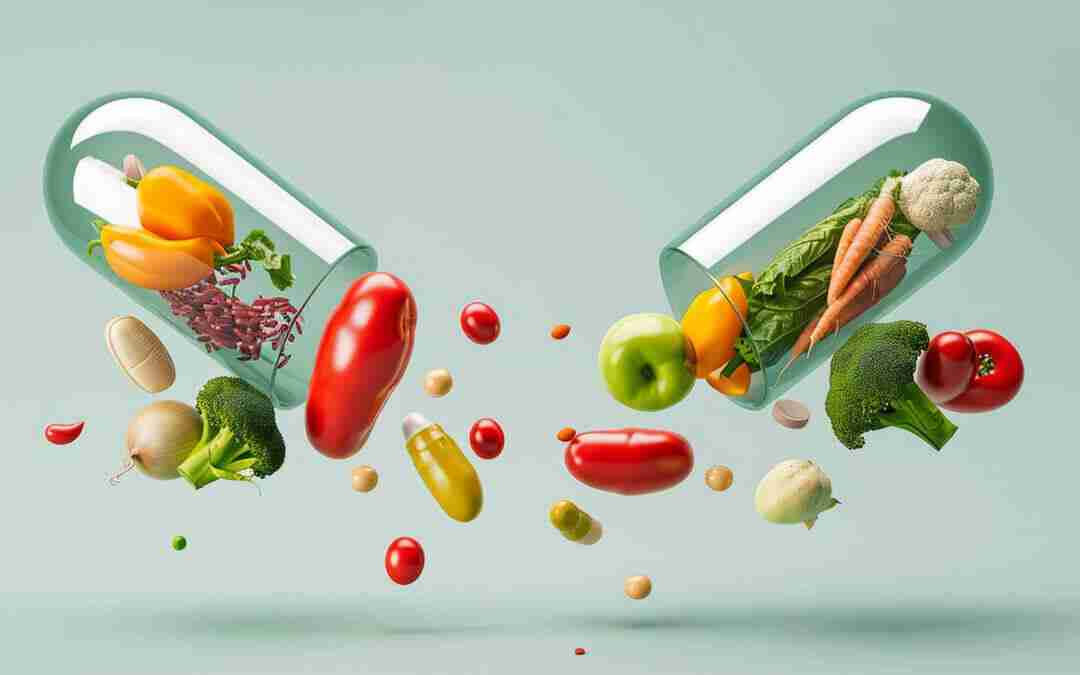
The transformation of grains, particularly paddy rice, serves as a crucial intersection of nutrition and safety. During the milling process, outer husks are removed, and the grain is polished to a gleaming finish, enhancing its visual appeal but also impacting its nutritional profile. The process essentially aims at improving the grain’s digestibility and absorption, which can lead to increased bioavailability of essential nutrients such as vitamins, minerals, and fiber. However, it’s vital to balance the desire for enhanced aesthetics with the loss of certain nutrients, pushing the boundaries of food science to ensure that nutritional value is preserved or even enriched.
Another critical consideration in grain transformation is safety. Effective processing minimizes the risk of contamination, thus protecting consumer health. Key practices include:
- Cleaning: Removal of impurities and potential toxins.
- Drying: Preventing moisture-related spoilage.
- Storage: Utilizing environment-friendly materials to preserve quality.
The following table summarizes the nutritional impacts before and after the processing of paddy grains:
| Nutrient | Before Processing | After Processing |
|---|---|---|
| Protein | 8g | 6g |
| Fiber | 3g | 1g |
| Iron | 1.2mg | 1.6mg |
This analysis underscores the delicate balance of enhancing both quality and safety in grain transformation while considering the nutritional contribution to the human diet.
Sustainable Practices in Paddy Processing: Innovations for a Greener Future
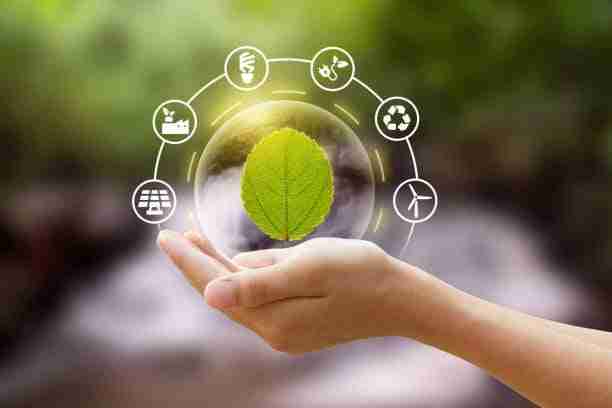
The landscape of paddy processing is witnessing a significant transformation, driven by an urgent need for sustainability. Innovations are emerging at every stage of the processing cycle, aiming to reduce waste and embrace eco-friendly techniques. Biodegradable packaging has gained traction, replacing traditional plastics and minimizing environmental pollution. Newer technologies like solar drying systems are enhancing energy efficiency, allowing paddy to be dried without relying on fossil fuels. Furthermore, the use of carbon-neutral rice hulls as a biofuel is becoming a viable alternative, demonstrating a closed-loop system where byproducts contribute to future energy needs.
Alongside these technological advances, practices such as water recycling and nutrient recovery are crucial for holistic sustainability. Various processing units are implementing state-of-the-art filtration systems that treat water used in washing and rinsing, allowing for its reuse while conserving vital resources. Additionally, some mills are adopting crop rotation and mixed farming practices that not only enhance soil health but also improve the quality of the paddy grown. Here’s an overview of some sustainable innovations being adopted in the field:
| Innovation | Description | Environmental Impact |
|---|---|---|
| Solar Drying | Utilizing solar energy for drying paddy grains | Reduces carbon footprint |
| Biodegradable Packaging | Eco-friendly packaging alternatives for rice products | Reduces plastic waste |
| Water Filtration Systems | Recycling washing water for reuse | Conserves water resources |
| Crop Rotation | Planting different crops to improve soil quality | Enhances biodiversity |
Maximizing Profitability: Strategies for Efficient Grain Processing Operations
To enhance profitability in grain processing operations, a focus on efficiency methods is paramount. Implementing automated systems can significantly reduce labor costs and minimize human error. Additionally, investing in advanced sorting technologies ensures that only the highest quality grains are processed, maximizing yield and market value. Consider the following strategies:
- Optimize Supply Chain Management: Streamline logistics to reduce transportation costs.
- Energy Efficiency Programs: Adopt renewable energy sources or energy-efficient machinery to lower operating costs.
- Continuous Training: Regularly upskill workers to ensure they are familiar with the latest technologies and practices.
Furthermore, regular maintenance of machinery can prevent costly downtimes, keeping production flowing smoothly. Another critical aspect is data analytics; by utilizing software to monitor processing operations, companies can identify bottlenecks and implement real-time adjustments. Below are some key performance indicators (KPIs) that can help track efficiency:
| Metric | Description | Target Value |
|---|---|---|
| Yield Rate | Amount of processed grain vs. total input | ≥ 90% |
| Downtime | Time machinery is non-operational | ≤ 5% |
| Energy Consumption | Energy used per ton of grain processed | Decrease by 15% annually |
Insights and Conclusions
As we pull back the curtain on the intricate world of paddy processing, we uncover not only the transformative journey of grains but also the dedication and innovation that fuel this vital industry. From the lush rice paddies to the meticulous milling processes, each step is a testament to the enduring relationship between culture, agriculture, and technology. As consumers, understanding this journey allows us to appreciate the value of our food sources and the meticulous care that goes into every grain. As the demand for sustainably sourced and expertly processed rice continues to grow, so too does the commitment of those who bring these essential resources from field to table. In the dance between tradition and modernity, the world of paddy processing remains a dynamic and crucial chapter in the story of food production, reminding us of the importance of sustainability, innovation, and respect for the earth. Through this appreciation, we not only celebrate grains but also the resilient communities that nurture them, paving the way for a more sustainable future.




