
In the heart of agricultural landscapes, where lush green fields stretch towards the horizon, the journey of paddy transforms from humble grain to a staple that nourishes millions. Welcome to the intricate world of paddy processing, a realm where time-honored traditions meet modern techniques, and the alchemy of agriculture unfolds. Here, we delve into the meticulous steps of transforming paddy into rice, exploring the science and artistry behind each phase of the process. From harvesting and drying to milling and packaging, this article illuminates the complexities and innovations that drive an industry vital to global food security. Join us as we uncover the secrets of transforming grain, a journey that not only shapes economies but also sustains cultures and communities around the world.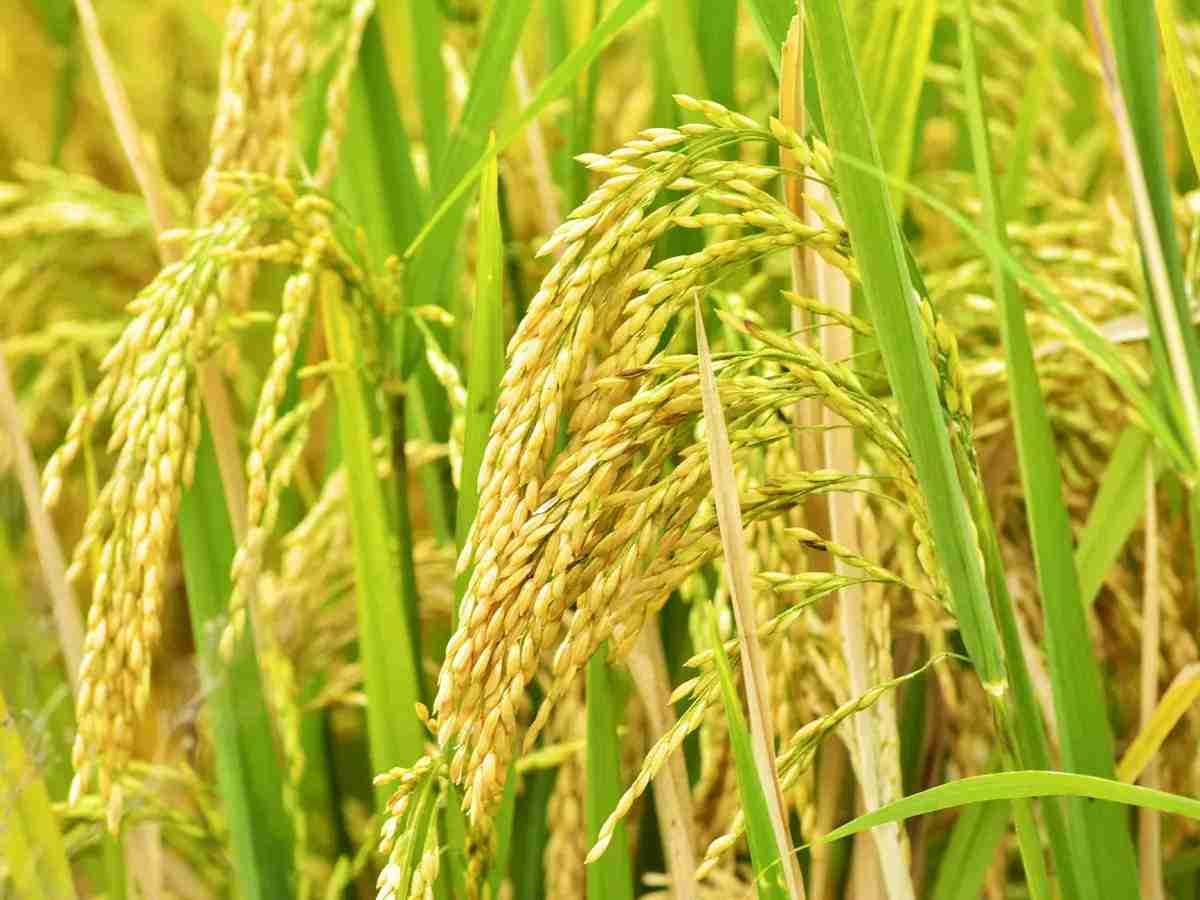
Understanding the Paddy Processing Journey from Field to Bowl
The journey of paddy from field to bowl is an intricate tale of transformation that begins in the verdant fields, where rice plants thrive under the sun. As farmers cultivate their crops, they carefully monitor factors such as water supply, soil quality, and pest control to ensure a bountiful harvest. Once the rice grains reach maturity, they are harvested using specialized machinery or traditional methods, ensuring that the grains remain intact. Post-harvest, these grains are dried to reduce moisture content, a critical step that prevents spoilage and maintains quality.
Once dried, the paddy grains undergo a meticulous processing phase that includes numerous stages, each vital in achieving that perfect grain we cherish in our meals. The initial step is hulling, where the inedible husk is removed, followed by milling, which polishes the grain to its final form. Essential processes include:
- Sorting: Ensures quality by separating damaged or discolored grains.
- Packaging: Preserves freshness and enables easy distribution.
Various processing techniques can impact the nutritional value and flavor profile of rice. For instance, milling techniques can vary based on the desired finish, influencing consumer preferences. Below is a simple comparison of some common milling methods:
| Milling Method | Grain Type | Flavor Profile |
|---|---|---|
| Whole Grain | Unrefined | Nuts and Earthy |
| White Rice | Milled | Subtle and Sweet |
| Brown Rice | Partially Milled | Nutty and Chewy |

Innovative Techniques in Grain Milling and Preservation
As technology advances, the grain milling industry is embracing new techniques that enhance both efficiency and sustainability. High-efficiency milling machines have become crucial in optimizing the extraction of whole grains, ensuring maximum yield with minimal waste. These machines incorporate features such as adjustable burr settings and precision control systems, which allow processors to tailor their milling processes for different grain varieties. The integration of automated quality control systems has also revolutionized the process, ensuring that each batch meets specific standards for texture and taste. Innovators are now exploring eco-friendly practices, including the use of renewable energy sources and biodegradable packaging materials, further aligning grain processing with environmental goals.
In addition to these advancements, the preservation of grain quality is being enhanced through innovative storage solutions. Controlled atmosphere storage systems maintain optimal humidity and temperature levels, significantly reducing spoilage and pest infestation. This technology not only prolongs shelf life but also ensures that the nutritional value of grains is preserved. Furthermore, the application of nanotechnology in packaging is emerging as a game changer; it allows for the creation of smart packaging that can indicate freshness and detect contaminants. Here’s a brief look at some innovative preservation techniques in the grain industry:
| Technique | Description |
|---|---|
| Controlled Atmosphere Storage | Maintains ideal conditions to reduce spoilage. |
| Nanotechnology | Utilizes smart packaging for freshness detection. |
| Biodegradable Packaging | Environmentally friendly options that reduce waste. |

The Role of Sustainability in Modern Paddy Processing
Paddy processing has undergone a significant transformation in recent years, with sustainability becoming a core principle guiding modern practices. In this context, integrating eco-friendly techniques in the processing stages not only reduces environmental impact but also enhances the overall quality of the rice produced. Techniques such as water recycling, energy-efficient machinery, and the minimal use of harmful chemicals contribute to a greener approach. This shift not only caters to rising consumer demand for sustainable products but also ensures compliance with increasingly stringent environmental regulations.
Moreover, modern paddy processors are emphasizing agricultural practices that promote sustainability at the source. By employing methods such as crop rotation, organic farming, and integrated pest management, they are not only optimizing yield but also preserving soil health and biodiversity. The adoption of renewable energy sources, such as solar or biogas, further enhances this effort by lessening reliance on fossil fuels. The cumulative effect of these practices can be illustrated in the following table:
| Practice | Benefits |
|---|---|
| Water Recycling | Reduces water waste |
| Energy-efficient Machinery | Lowers carbon emissions |
| Organic Farming | Enhances soil quality |
| Renewable Energy Sources | Decreases dependency on fossil fuels |
Enhancing Quality and Yield: Best Practices for Farmers and Millers
To achieve optimal quality and yield in paddy processing, it’s crucial for farmers and millers to adopt a multifaceted approach. Soil health plays a pivotal role; ensuring rich nutrients and balanced pH helps in cultivating superior paddy. Regular testing and organic amendments can significantly enhance soil quality. Additionally, employing crop rotation not only improves soil fertility but also disrupts pest cycles, reducing the reliance on chemical inputs. Timely irrigation practices, utilizing techniques such as drip irrigation, can help conserve water while ensuring crops receive adequate moisture, ultimately boosting yield.
Once the paddy is harvested, millers should focus on maintaining optimal processing conditions. Ensuring machinery is regularly maintained and calibrated will enhance the milling efficiency and minimize broken kernels. Implementing a quality control system is vital; conducting regular checks at different processing stages ensures any discrepancies can be addressed promptly. Education and training for both farmers and millers can lead to better techniques being utilized in the field and the mill, promoting a culture of continuous improvement. The following table summarizes useful practices:
| Best Practice | Description |
|---|---|
| Soil Testing | Regular testing for nutrient levels to optimize soil health. |
| Crop Rotation | Planting different crops in succession to maintain soil fertility. |
| Efficient Irrigation | Utilizing methods like drip irrigation to conserve water. |
| Machinery Maintenance | Regular checks to ensure mill efficiency and reduce waste. |
| Quality Control | Implementing systematic checks to monitor processing quality. |
Insights and Conclusions
the intricate journey of grain from paddy fields to our plates is a story of transformation that intertwines tradition with innovation. As we’ve explored, the paddy processing industry not only enhances the quality and availability of rice but also plays a significant role in sustaining livelihoods and supporting economies worldwide. The myriad of techniques employed in milling, husking, and polishing reflects a deep-rooted respect for the grain and the cultures it nourishes. As we look to the future, advancements in technology and sustainable practices promise to further refine this age-old process, ensuring that the fruits of the paddy continue to feed generations to come. Ultimately, every grain tells a story, and with each bite, we partake in a global heritage that celebrates the art of transforming nature into nourishment.




