In the heart of rural landscapes, where emerald fields stretch as far as the eye can see, a quiet change is underway. As the sun rises over the horizon, breathing life into the rippling golden grains, a different kind of magic begins within the confines of the modern paddy processing plant. Here,age-old agricultural practices converge with cutting-edge technology to elevate humble rice to its full potential as a staple food for millions around the globe. This article embarks on a journey inside these innovative facilities, exploring the intricate processes that turn raw paddy into polished grains, ready for the tables of diverse cultures. Join us as we unveil the mechanized symphony of sorting, milling, and packaging, shedding light on the essential yet frequently enough overlooked link between farmers’ fields and urban kitchens.
Exploring Advanced techniques in Grain Processing Efficiency
In the quest for maximizing efficiency in grain processing, modern facilities have turned to a blend of technologic innovation and lasting practices. One such technique involves automated sorting systems, which employ advanced sensors to differentiate grains based on size, weight, and quality. This not only speeds up the selection process but also minimizes waste,ensuring that only the best grains make it to the next phase of processing. Moreover,the integration of AI-driven predictive maintenance systems allows plants to optimize equipment usage,predicting failures before they occur and scheduling maintenance during off-peak hours. This proactive approach significantly reduces downtime, a critical factor in maintaining continuous operations.
Key Techniques Employed in Modern Processing Plants
- Rice husking: Implementing high-speed huskers that reduce breakage and enhance yield.
- Optical Sorting: Utilizing cameras and lasers for enhanced quality control, improving the purity of final products.
- Hydrothermal Treatment: Enhancing the gelatinization of starch in grains,which improves the cooking quality.
- Energy Recovery Systems: Capturing and reusing heat generated during processing to reduce energy consumption.
| Technique | Benefits |
|---|---|
| Automated Sorting | Increased accuracy and reduced waste |
| AI maintenance | Less downtime, improved productivity |
| Hydrothermal Treatment | Improved quality, better yield |
| Energy recovery | Lower operational costs, sustainability |
Adopting these advanced techniques not only enhances productivity but also promotes sustainable practices within the grain processing industry. As facilities adapt to these innovations, they play a crucial role in ensuring the quality and availability of processed grains while responding to the growing demands of the global market.The focus on efficiency and sustainability will undoubtedly define the future of grain processing, making it an exciting field to watch as it evolves.
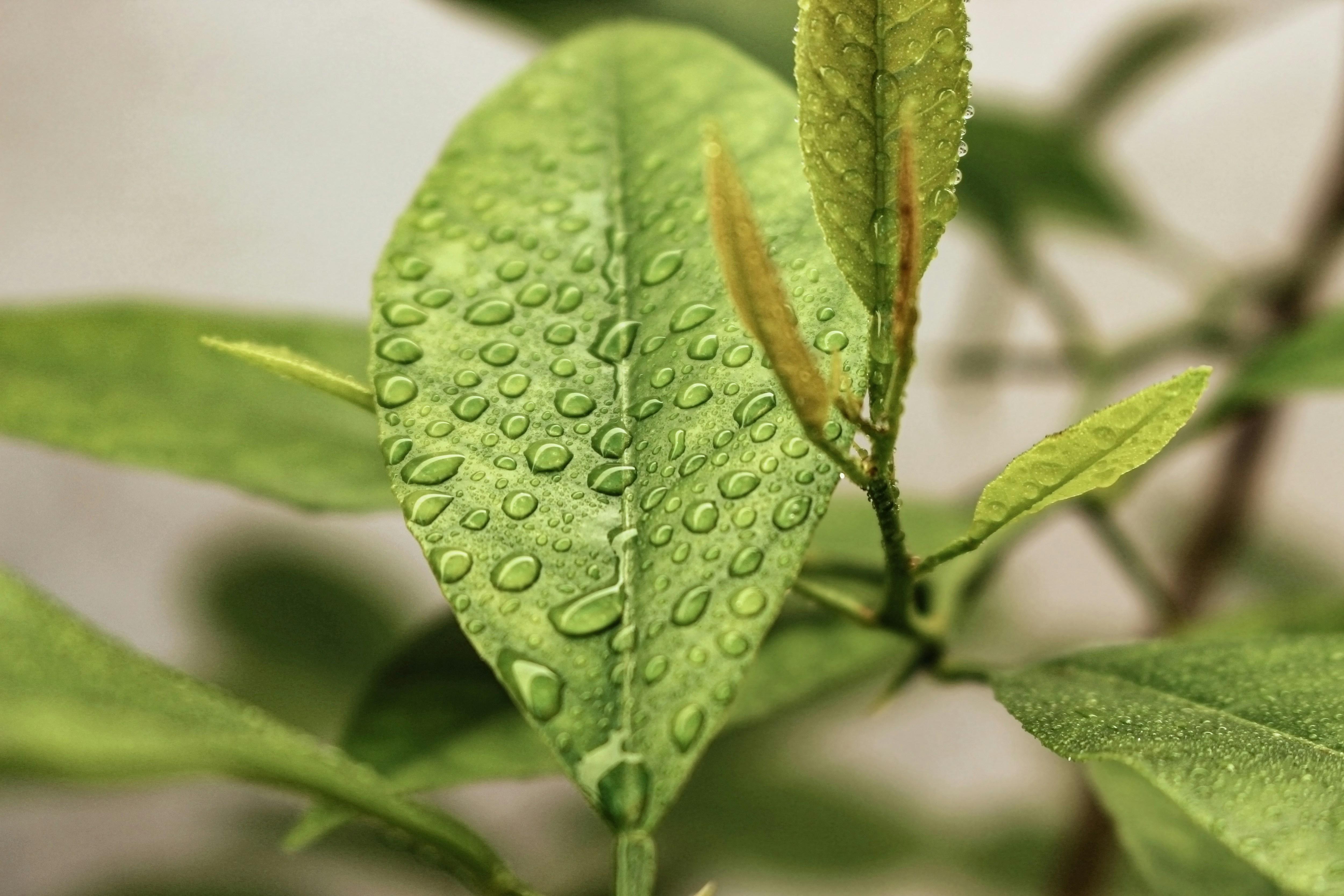
Sustainable Practices for Eco-Friendly Paddy Production
Embracing eco-friendly approaches in paddy production is pivotal for fostering a sustainable agricultural system. Farmers are increasingly adopting organic farming techniques, which enhance soil health and reduce the reliance on synthetic fertilizers.Some notable practices include:
- Crop rotation: Alternating paddy with legumes to improve soil fertility.
- Integrated pest management (IPM): Utilizing natural predators and biopesticides to minimize chemical usage.
- Water management: Implementing alternate wetting and drying (AWD) techniques to conserve water resources.
Innovation is at the forefront of sustainable paddy production, with technologies enabling farmers to monitor and manage their fields more efficiently. For example, drone technology aids in precision agriculture, allowing for real-time data collection on crop health. Moreover, the use of biodegradable mulches helps suppress weeds and retain soil moisture, fostering a healthier crop environment. Assessing the benefits, a comparison between conventional and modern practices showcases the dramatic impact such innovations can have:
| traditional Practices | Modern Sustainable Practices |
|---|---|
| heavy reliance on chemical fertilizers | Organic amendments and natural fertilizers |
| Inefficient water usage | Advanced irrigation techniques like AWD |
| Pesticide overuse | biological pest control and IPM |
Technological Innovations Shaping the Future of Processing Plants
As the paddy processing industry embraces new frontiers, innovative technologies are at the forefront, redefining efficiency and sustainability. One significant advancement is the use of smart sensors integrated into processing equipment, enabling real-time monitoring and adjustments. these sensors facilitate optimal flow management and help maintain product quality by detecting irregularities early. Additionally, automation technology has revolutionized labor practices, minimizing human error and increasing output consistency. With the implementation of robotics, tasks such as sorting, weighing, and packaging can now be executed with unparalleled precision and speed, allowing plants to scale their operations more effectively.
Moreover, the integration of data analytics has transformed decision-making processes within processing plants. By harnessing large datasets, operators can gain insights into operational efficiency and predict maintenance needs before they become critical issues. Renewable energy solutions, such as solar panels and biogas systems, are also gaining traction, allowing plants to reduce their carbon footprint while simultaneously cutting down on operational costs. To illustrate the impact of these innovations, consider the following table showcasing the key benefits of modern technology in paddy processing:
| Technology | Benefits |
|---|---|
| Smart Sensors | Real-time monitoring, improved quality control |
| Automation | Increased efficiency, reduced human error |
| Data Analytics | Informed decisions, predictive maintenance |
| Renewable Energy | Lower operating costs, reduced emissions |
Supply Chain Optimization for Enhanced Quality and Distribution
In today’s competitive landscape, modern paddy processing plants are embracing innovative strategies to streamline their operations, ensuring both quality and efficiency. By leveraging advanced technologies such as IoT sensors and automation systems, these facilities minimize waste and enhance the consistency of their output. The integration of data analytics allows for real-time monitoring of production metrics, which not only fosters timely decision-making but also significantly reduces potential bottlenecks in the supply chain.
Essential to this optimization effort is the collaboration with suppliers and distributors, creating a seamless flow from farm to consumer. The adoption of just-in-time practices helps maintain inventory levels that align closely with demand,resulting in a fresher product for customers. Key components of this approach include:
- Supplier Relationships: Building long-term partnerships for consistent quality.
- Inventory management: utilizing smart inventory systems to forecast needs.
- Quality control Processes: Implementing rigorous standards throughout production.
| Strategy | benefit |
|---|---|
| Real-time Analytics | Improves decision-making speed |
| Supplier Integration | Ensures consistent quality supply |
| Automated Tracking | Reduces downtime in production |
Key Takeaways
As the sun sets over the verdant fields, painting the sky in hues of amber and gold, we are reminded that the journey of grain—from the swaying stalks of rice to the polished grains that adorn our tables—is a testament to both nature and innovation. Inside the modern paddy processing plant, this transformation occurs with precision and care, fueled by technology and grounded in tradition. Here, each step of the processing cycle is a delicate dance, ensuring that quality and sustainability walk hand in hand.
As we’ve explored the intricacies of these facilities, it’s clear that they are not just hubs of production; they are the confluence of agricultural heritage and modern ingenuity. The relentless pursuit of efficiency and quality reflects the needs of a growing population while honoring the age-old practices that have sustained communities for centuries.
In a world increasingly focused on sustainability, the paddy processing plant stands as a beacon of potential, illustrating how traditional farming can harmonize with cutting-edge technology to meet the demands of tomorrow.As we turn our gaze back to the fields, we leave with a deeper recognition of the complex journey our food undertakes—a journey that begins with a single seed and culminates on our plates, nourished by the hands of those who have mastered the art of grain transformation.