
Transforming Grain: A Journey Through Paddy Processing
In the heart of countless cultures around the globe lies a staple that has nourished humanity for millennia: rice. Its journey from lush, green paddies to the heaping bowls gracing our tables is a tale woven through tradition, innovation, and labor. As we embark on this exploration of paddy processing, we delve into the intricate transformation of this humble grain. Each stage, from harvesting to milling, unveils a rich tapestry of techniques and technologies that have evolved over time. Join us as we traverse the pathways of paddy processing, uncovering the methods that elevate grain into a vital ingredient cherished in cuisines worldwide and reflect on the broader significance of this essential staple in our lives.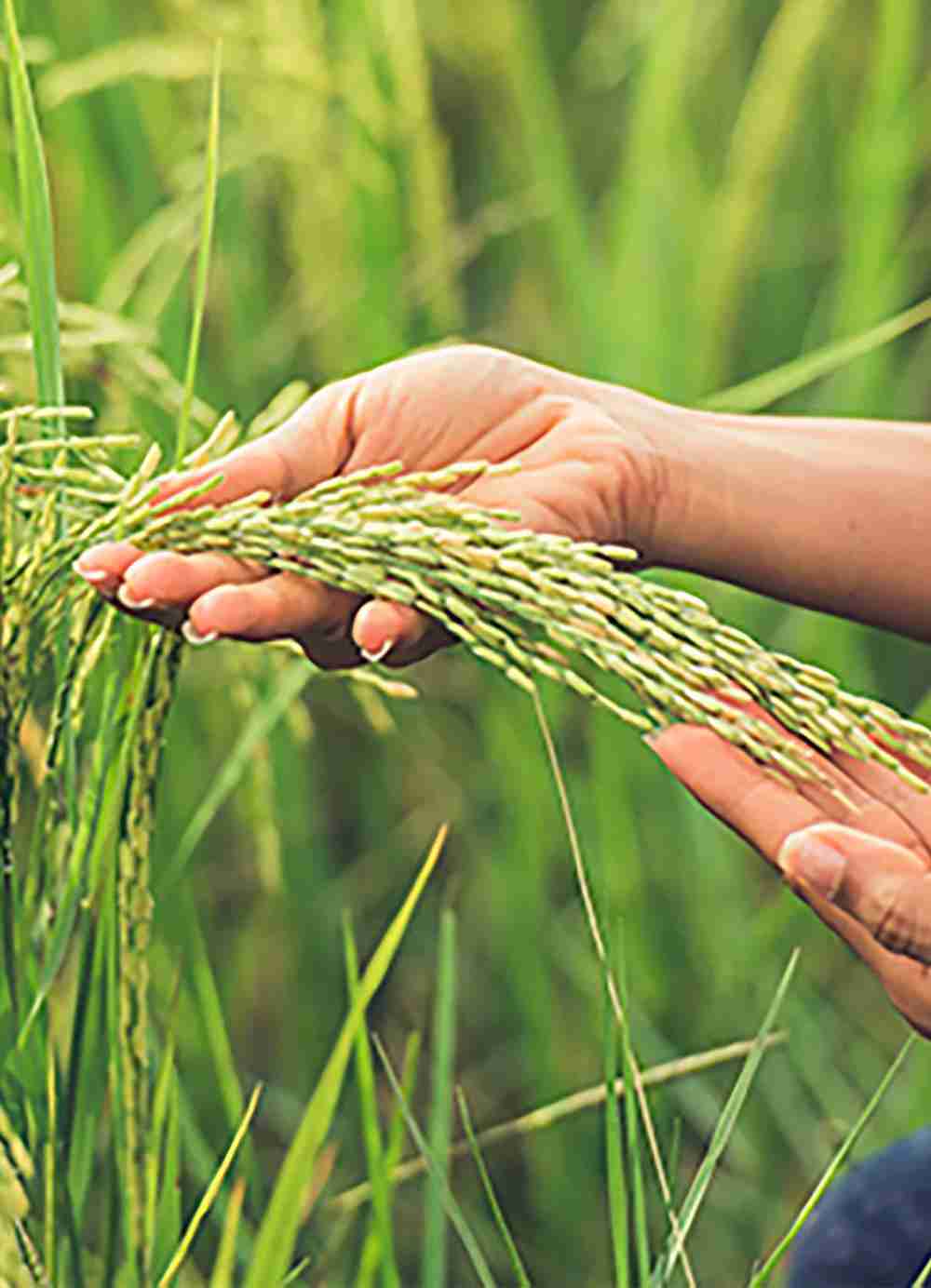
Understanding the Life Cycle of Paddy: From Field to Fork
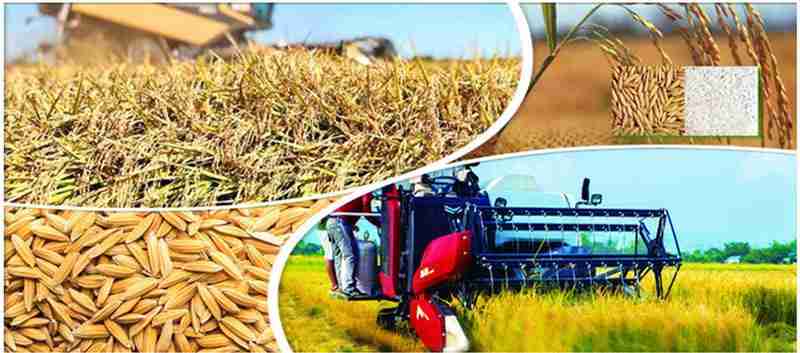
Paddy processing is a meticulous journey that begins right in the heart of the field, where careful cultivation takes place. Farmers sow the seeds in flooded fields called paddies, nurturing them through various growth stages, from the initial sprouting to maturity. The transformation begins once the rice plants are fully ripened; farmers use sickles or harvesters to gather the golden stalks. The harvested paddy, still encased in its protective hull, is then transported to processing facilities where it undergoes several stages to unveil the edible grain inside.
At the processing facility, the paddy undergoes a series of fascinating transformations:
- Drying: Freshly harvested paddy is dried to reduce moisture content, preventing spoilage.
- Milling: The dried paddy is hulled to remove the outer bran layers, resulting in brown rice.
- Polishing: If desired, brown rice can be polished to produce white rice, enhancing its visual appeal.
- Grading: The rice is then graded based on size and quality, where higher-quality grains are separated for premium markets.
This intricate yet systematic approach not only ensures that the rice remains nutritious but also meets the high standards expected by consumers worldwide. Below is a brief overview of the processing stages:
| Processing Stage | Description |
|---|---|
| Harvesting | Collection of mature rice plants from paddies. |
| Drying | Reduces moisture in the paddy to prevent spoilage. |
| Milling | Hulling process that removes bran layers, yielding brown rice. |
| Polishing | Optional step to enhance appearance, resulting in white rice. |
| Grading | Sorting rice by size and quality for market distribution. |
Essential Methods of Paddy Processing: Techniques and Tools
Paddy processing involves a series of essential techniques and tools that transform raw grain into a consumable product. At the heart of this process are several vital stages, each utilizing specific machinery and methods to ensure quality and efficiency. Hulling is one of the first steps, where husks are removed from the paddy grain using mechanical hullers. These machines vary in design but typically utilize pressure and friction to separate the outer shell without damaging the precious brown rice within. After hulling, milling is carried out to produce white rice, involving grinding and polishing processes that refine the grain further.
To enhance quality control and promote sustainability, several tools have emerged in paddy processing. De-stoners, for example, help in eliminating stones and other impurities, safeguarding the integrity of the rice. Similarly, rice graders assess the size and quality of the grains, streamlining the classification process. The integration of technology such as color sorters has revolutionized how paddy is processed, allowing for the automated detection of discolored or damaged grains. Here’s a quick overview of some commonly used tools:
| Tool | Function |
|---|---|
| Hullers | Remove husk from paddy grains |
| Milling machines | Transform brown rice into white rice |
| De-stoners | Eliminate stones and impurities |
| Rice graders | Sort grains by size and quality |
| Color sorters | Automatically detect discolored or damaged grains |
Nutritional Enhancements Through Grain Transformation
Grain transformation involves a myriad of processes that significantly enhance the nutritional profile of paddy. As rice moves from its raw form to finished products, it undergoes essential steps that unlock its potential health benefits. During milling, the removal of husk and bran layers is critical; however, many milling techniques today focus on preserving these layers to maximize fiber and nutrient intake, which includes vital vitamins and minerals such as B vitamins, iron, and zinc. Whole grain rice, for instance, retains its bran and germ, offering a powerhouse of nutrients, promoting digestion, and providing a sustained energy release. Regular consumption of such enhanced products can lead to improved metabolic health and reduced risk of chronic diseases.
Moreover, innovative technologies in grain processing are further revolutionizing nutritional enhancement. The incorporation of fortification practices adds essential nutrients back into the grain, ensuring that populations relying on rice as a staple get their daily requirements. Some of these enhancements include:
- Vitamin A: Fortified rice can alleviate deficiencies common in areas reliant on rice as a staple.
- Iron: Adding iron to rice helps combat anemia and promotes better overall health.
- Folic Acid: Particularly important for pregnant women, promoting fetal development.
This strategic focus on nutritional enhancements resonates deeper than just physical health; it highlights the importance of sustainable development goals aimed at improving food security and nutrition globally. Through effective grain transformation practices, we can continually reshape not just our culinary experiences, but also the very foundation of dietary health.
Sustainable Practices in Paddy Processing: Balancing Yield and Environment
As the global demand for rice continues to soar, integrating sustainable practices into paddy processing has become imperative. The processing phase, which includes harvesting, drying, milling, and packaging, offers multiple opportunities to enhance efficiency while minimizing environmental footprints. By employing innovative techniques such as solar drying and water-efficient milling, producers can not only increase yield but also conserve precious natural resources. Furthermore, the adoption of machinery powered by renewable energy sources can significantly reduce carbon emissions, making it an attractive alternative for eco-conscious farmers.
To foster a truly sustainable paddy processing ecosystem, stakeholders must consider several aspects, including:
- Waste Management: Utilizing by-products such as husks and straw for bioenergy generation, thus closing the loop on waste.
- Diversity in Cultivation: Encouraging mixed cropping systems to enhance resilience against pests and diseases.
- Research and Development: Investing in technological advancements that promote eco-friendly practices in processing.
Collaboration among farmers, researchers, and policymakers is essential to uphold these initiatives. The table below illustrates some of the key benefits of sustainable practices in paddy processing:
| Practice | Benefit |
|---|---|
| Solar Drying | Reduces energy consumption and promotes organic drying. |
| Water-Efficient Milling | Minimizes water usage and lowers operational costs. |
| Bioenergy from Waste | Contributes to renewable energy sources and reduces landfill waste. |
Insights and Conclusions
As we conclude our exploration of paddy processing, we find ourselves at the intersection of tradition and innovation. The journey from grain to rice is not merely a mechanical transformation; it is a delicate dance honed over centuries, blending culture, sustainability, and technology. Each step in this process—from harvesting the golden fields to the bustling mills that refine each grain—holds a story that reflects the dedication of farmers, artisans, and engineers alike.
In understanding the complexities of grain processing, we gain a deeper appreciation for the food on our tables and the hands that bring it to us. The evolution of paddy processing stands as a testament to human ingenuity, responding to the challenges of an ever-changing world while honoring the age-old practices that connect us to the land.
As we turn the final page of this journey, we encourage you to reflect on the interconnectedness of agriculture and our daily lives. Let us celebrate the humble grain, recognizing the rich tapestry of processes that transform it into nourishment, tradition, and community. In every bite of rice, we savor not just sustenance, but a legacy that continues to thrive and adapt through the ages.




