
In the heart of agricultural innovation, where tradition meets technology, lies a crucial yet often overlooked player in the food supply chain: the paddy processing unit. As the global demand for rice continues to surge, driven by a burgeoning population and changing dietary preferences, the transformation of paddy into consumable rice has never been more vital. These processing units serve as the bridge between the farmer’s harvest and the consumer’s table, showcasing an intricate dance of machinery, skill, and sustainability. This article delves into the essential role of paddy processing units, exploring how they not only enhance the quality and affordability of rice but also contribute to minimizing waste and maximizing economic potential in rural communities. Join us as we uncover the layers of this transformative process and its impact on food security and livelihood across the globe.
Enhancing Quality Through Innovative Milling Techniques
The evolution of milling techniques has dramatically transformed the landscape of crop processing, particularly in the rice sector. By integrating innovative machinery and advanced methodologies, paddy processing units have redefined quality standards, resulting in higher efficiency and better product output. The incorporation of features such as laser sorting, automated polishing, and precision milling not only enhances the aesthetics of the rice grains but also ensures that essential nutrients remain intact, providing better nutritional value to consumers. These modern techniques facilitate a more sustainable approach by minimizing waste and maximizing yield from each harvest.
Moreover, embracing novel milling processes has enabled paddy processing units to customize their offerings to meet diverse consumer preferences. As market demand evolves, processors can engage in value addition through techniques like aromatic infusion or flavor enhancement, resulting in a broader product range. With smart technology integration, operators are now capable of monitoring quality in real time, ensuring that every grain that leaves the processing unit meets prescribed standards. The emphasis on quality, driven by innovative milling techniques, is crucial in establishing a competitive edge in the marketplace.
| Innovative Techniques | Benefits |
|---|---|
| Laser Sorting | Increased precision in selecting high-quality grains |
| Automated Polishing | Uniform surface polish enhancing visual appeal |
| Precision Milling | Improved nutrient retention and reduced waste |
Sustainable Practices in Paddy Processing for Environmental Benefits
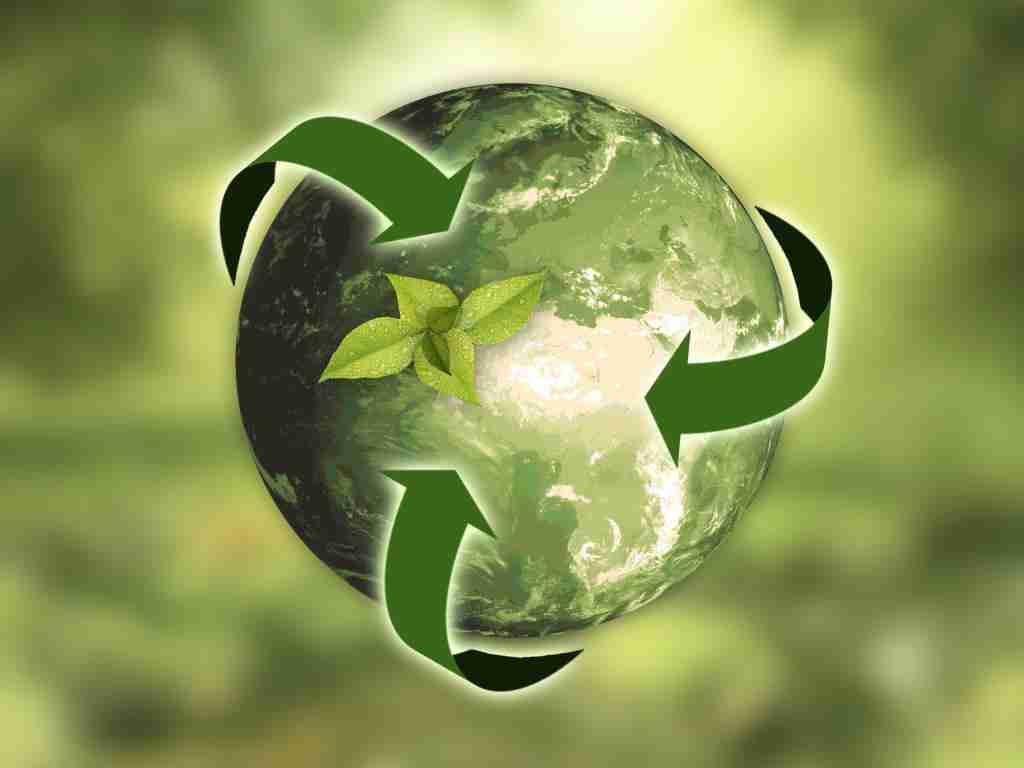
In the quest for sustainable agricultural practices, paddy processing units have emerged as pivotal players in minimizing environmental impacts. By integrating eco-friendly methods at various stages of processing, these units can drastically reduce waste and consumption of resources. For instance, utilizing water-efficient milling techniques can help conserve vital water resources typically involved in the traditional paddy processing. Moreover, the incorporation of solar-powered machinery not only cuts down on fossil fuel dependence but also lowers production costs in the long run, showcasing a dual benefit for farmers and the ecosystem.
Additionally, a focus on waste-to-resource conversion has gained traction among progressive paddy processing facilities. By transforming by-products like husks and straw into biofuel or compost, these units contribute to a circular economy model, which enhances soil health and reduces methane emissions from decomposition. The adoption of vermiculture can serve to further enrich agricultural soils while managing organic waste efficiently. The efforts of these processing units not only contribute to improved crop yields for future generations but also play a crucial role in maintaining biodiversity and protecting vital ecosystem services.
Boosting Local Economies: The Impact of Small-Scale Processing Units
Small-scale processing units play a vital role in invigorating local economies by creating job opportunities and fostering entrepreneurial spirit. By establishing paddy processing units within agricultural communities, farmers can transform their raw yields into value-added products, which in turn enhances their income potential. These units not only contribute to poverty alleviation, but they also stimulate local trade as processed goods circulate within the community. The benefits are manifold:
- Increased Employment: Processing units require manpower for production, packaging, and distribution, providing jobs to local residents.
- Support for Local Farmers: By purchasing paddy directly from local farmers, these units ensure fair prices and reduce reliance on external suppliers.
- Skill Development: Local workers gain essential skills in processing, quality control, and marketing, which enhances the community’s capabilities.
Furthermore, the impact of small-scale processing can be significantly observed in the way it influences the supply chain, effectively reducing waste and improving efficiency. In many regions, paddy processing units serve as a bridge between farmers and consumers, promoting a more sustainable approach to agriculture. The incorporation of modern techniques in these units can further amplify their role:
| Technique | Impact on Community |
|---|---|
| Dehusking | Increases yield quality and reduces grain waste. |
| Polishing | Enhances product marketability and consumer appeal. |
| Packaging | Improves storage life and encourages local branding. |
By adopting such techniques, these processing units not only transform the physical attributes of the crops but also uplift the socio-economic landscape of their communities. The ripple effects of these initiatives are visible, paving the way for sustainable growth and thriving local markets.
Technological Advancements Shaping the Future of Rice Processing
The landscape of rice processing is rapidly changing, driven by innovative technologies that aim to enhance efficiency and sustainability. Modern paddy processing units are incorporating sophisticated machinery and smart solutions to ensure optimal grain quality and reduced waste. Technologies such as automated sorting systems and advanced milling equipment are pivotal in this transformation, allowing processors to achieve precision that was once thought unattainable. Furthermore, these advancements are complemented by data analytics tools that monitor and analyze the processing conditions in real-time, ensuring that each step adheres to the highest standards of quality control.
In addition to machinery, the integration of renewable energy sources and IoT (Internet of Things) in rice processing facilities is paving the way for more sustainable practices. By employing solar panels or biomass energy, paddy processing units can minimize their carbon footprint while optimizing energy consumption. The application of IoT enables continuous monitoring of machinery performance, leading to predictive maintenance that reduces downtime and maximizes throughput. As these technologies evolve, the future of rice processing looks promising, driving both economic growth and environmental responsibility in the agricultural sector.
In Conclusion
As we stand at the crossroads of agricultural innovation and sustainability, the pivotal role of paddy processing units becomes unmistakably clear. These units not only enhance the quality and marketability of our staple grains but also empower farmers and rural communities to thrive in a dynamic economy. By embracing technology and best practices in processing, we can elevate our food systems, ensuring that they are resilient, efficient, and capable of feeding the growing global population.
As we look to the future, the transformation of crops through dedicated paddy processing is not merely an operational necessity; it is an opportunity to bridge tradition with modernity. It fosters a more equitable food distribution chain, enhances nutritional value, and ultimately supports the livelihoods of millions. In this evolving landscape, let us acknowledge the crucial contributions of paddy processing units and advocate for their integration into broader agricultural strategies. Together, we can cultivate a future where innovation meets sustainability, ensuring that our agricultural heritage is honored and our food security is fortified for generations to come.




