
In the age-old tradition of rice cultivation, the art of paddy processing has undergone a remarkable evolution with the advent of modern machinery. From traditional methods of hand-pounding to state-of-the-art automated systems, innovations in technology have revolutionized the way rice is harvested, threshed, and milled. Join us as we delve into the world of paddy processing and explore the cutting-edge advancements that are shaping the future of this ancient agricultural practice.
The Evolution of Paddy Processing Machinery
Innovations in modern machinery have transformed the art of paddy processing, making the task more efficient and cost-effective than ever before. With advancements in technology, has revolutionized the way rice is harvested, threshed, and milled.
One key innovation in modern paddy processing machinery is the use of automated systems that can perform multiple tasks simultaneously, reducing the need for manual labor and increasing productivity. These machines are equipped with sensors and controllers that can optimize the processing of paddy, ensuring a higher quality output. Additionally, the development of compact and portable machines has made it easier for farmers to process their paddy on-site, eliminating the need to transport crops to off-site processing facilities.
Cutting-Edge Technologies Transforming the Industry
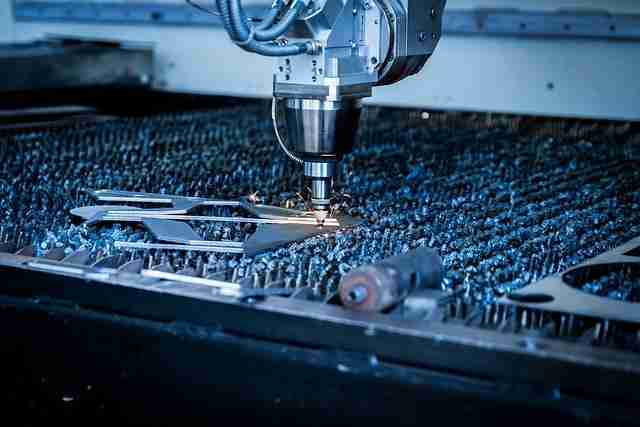
From traditional methods to cutting-edge technologies, the art of paddy processing has evolved significantly in recent years. Modern machinery has revolutionized the industry, making the process more efficient, cost-effective, and environmentally friendly. One of the most notable innovations is the use of automated sorting and grading systems, which ensure consistent quality and reduce wastage.
Additionally, advancements in milling technology have led to higher yields and improved nutritional value in the final product. State-of-the-art machines now have the capability to remove impurities and husk with precision, resulting in a cleaner and more refined end product. These technological advancements are not only transforming the industry but also setting new standards for paddy processing around the world.

Enhancing Efficiency and Quality with Automated Systems
Modern advancements in machinery have revolutionized the way paddy processing is done, leading to significant improvements in efficiency and quality. These innovative automated systems are designed to streamline the entire process, from cleaning and husking to polishing and sorting. By harnessing the power of technology, rice millers can now achieve higher levels of productivity and precision in their operations.
One key feature of these automated systems is their ability to handle large volumes of paddy with minimal human intervention. With built-in sensors and advanced algorithms, these machines can detect impurities, adjust settings, and optimize output in real time. This not only reduces the risk of errors and inconsistencies but also allows for a more uniform and high-quality end product. With the art of paddy processing constantly evolving, these modern innovations are reshaping the industry and setting new standards for efficiency and quality.
Recommendations for Selecting the Right Machinery for Your Rice Processing Needs
When it comes to selecting the right machinery for your rice processing needs, there are several key factors to consider. One of the most important considerations is the capacity of the machine, as it should be able to handle the volume of paddy you expect to process. Additionally, the efficiency and speed of the machinery are crucial in ensuring that you can process your rice in a timely manner. Look for machines that are known for their durability and reliability, as you want equipment that will last for years to come.
Another important aspect to keep in mind is the cleanliness and safety features of the machinery. Make sure that the machines you are considering are easy to clean and maintain, as this will not only ensure the quality of your rice but also prolong the lifespan of the equipment. Additionally, consider the overall footprint of the machinery and how it will fit into your processing facility. By taking these recommendations into account, you can select the right machinery for your rice processing needs with confidence.
In Summary
In conclusion, the art of paddy processing has seen remarkable advancements in modern machinery, revolutionizing the way rice is produced and processed. From traditional methods to innovative technologies, the industry has come a long way in ensuring efficient and sustainable production methods. As we continue to embrace these innovations, we can look forward to a future where rice processing is not only more efficient, but also more environmentally friendly. The art of paddy processing is truly a fascinating blend of tradition and technology, and it is exciting to see what the future holds for this essential aspect of agriculture.




