
From the lush green paddies of Asia to dinner plates around the world, the art of paddy processing is a complex and fascinating journey that spans generations. Join us as we explore the intricate process of transforming humble grains of rice from field to plate, and discover the ancient traditions and modern innovations that have shaped this staple of global cuisine.
The Natural Beauty of Paddy Fields: A Closer Look at Rice Cultivation Techniques
As you stroll through the lush green paddy fields, you can’t help but marvel at the sheer beauty of nature. The symphony of birds chirping overhead, the gentle rustle of the breeze through the rice stalks, and the mesmerizing reflections of the sky in the flooded fields all combine to create a truly magical scene.
But behind this picturesque view lies a complex and fascinating process of rice cultivation. From the careful selection of seeds to the intricate irrigation systems, every step in the paddy processing chain is crucial to ensuring a successful harvest. Traditional techniques passed down through generations, coupled with modern innovations, come together to create a seamless journey from field to plate.
Harvesting and Drying: Essential Steps in Preparing Paddy for Processing
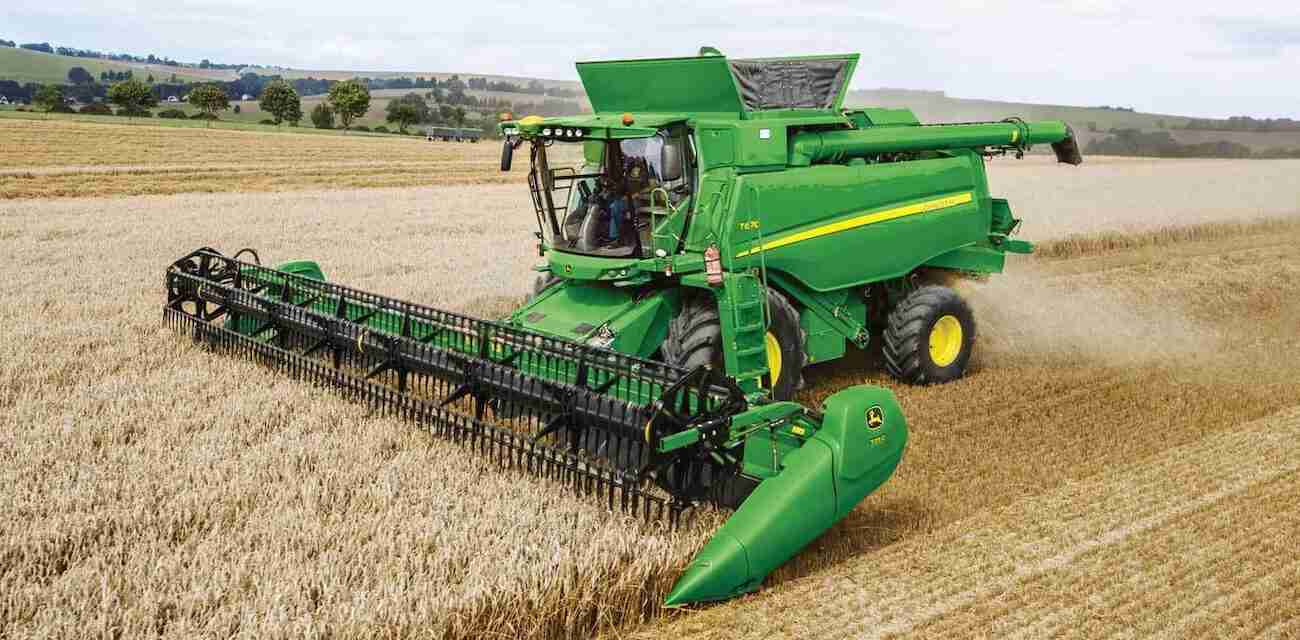
Once the paddy fields have been meticulously tended to and the rice grains have reached their optimal ripeness, it’s time to begin the crucial process of harvesting and drying. Harvesting is the first step in the journey from the field to the plate, requiring precision and care to ensure the highest quality rice for processing. Farmers must time the harvest just right, balancing between under-ripe and overripe grains, to yield the best results.
The next step is the essential process of drying the harvested paddy. Drying is crucial to prevent mold growth and preserve the quality of the rice. Farmers have several methods at their disposal, including sun-drying on tarps or using mechanical dryers. Each method requires attention and expertise to ensure the rice is properly dried and ready for processing.

Milling and Polishing Techniques: Achieving the Perfect Texture and Taste
When it comes to paddy processing, the journey from field to plate is a delicate art that requires precision and expertise. One of the key steps in this process is milling, where the outer husk of the rice grain is removed to reveal the nutritious inner kernel. Milling can be done using various techniques such as abrasive milling, friction milling, and impact milling. Each method results in a different texture and taste profile, so it’s important to choose the right technique to achieve the desired outcome.
After milling, the rice grains go through a polishing process to remove any remaining bran layers and give them a shiny appearance. Polishing not only enhances the aesthetic appeal of the rice but also affects the taste and texture. By carefully controlling the polishing parameters such as polishing time and pressure, processors can achieve the perfect balance between smoothness and flavor. The end result is a rice grain that is not only visually appealing but also delicious to eat.
From Steaming to Serving: Traditional and Modern Cooking Methods for the Perfect Plate of Rice
Whether you prefer a traditional approach or a more modern twist, there are various cooking methods that can help you achieve the perfect plate of rice. From the timeless technique of steaming to the innovative methods of sous vide cooking, each method brings its own unique flavor and texture to the table. When it comes to cooking rice, the method you choose can greatly impact the final result.
For those who appreciate the simplicity of traditional cooking methods, steaming rice is a classic technique that has stood the test of time. Using a steamer basket or a rice cooker, you can easily achieve fluffy and perfectly cooked grains every time. On the other hand, for those who prefer a more modern approach, sous vide cooking offers a precise and controlled method for cooking rice to perfection. By vacuum sealing rice with water and cooking it at a precise temperature, you can achieve a consistently delicious result every time.
Concluding Remarks
As we conclude our exploration of the art of paddy processing, we have gained a deeper appreciation for the intricate journey from field to plate that transforms humble rice grains into a staple food enjoyed by millions around the world. From the careful cultivation and harvest in the fields to the meticulous processing and milling in the factories, every step is a testament to the dedication and skill of those involved in bringing this essential food to our tables. Next time you sit down to enjoy a bowl of rice, take a moment to savor the flavors and textures, knowing that it all begins with the art of paddy processing.




