In the verdant expanses of rice paddies, where the sun kisses the earth, a humble grain undergoes a remarkable transformation, evolving from its natural state to a staple of culinary delight. “The Art and Science of Paddy Processing: A Grain Reimagined” invites readers to explore this intricate journey, shedding light on the delicate balance between tradition and innovation that defines paddy processing. As we delve into the methodologies that elevate rice from its raw form—hulling, milling, and polishing—we uncover not just the techniques but also the cultural significance embedded in each step. This article aims to illuminate the delicate interplay between artisanal practices and modern technology, revealing how a seemingly simple grain carries profound importance in global gastronomy and agricultural sustainability. Join us as we unravel the layers of knowledge and creativity that make paddy processing a true art and science, celebrating the journey of rice from field to fork.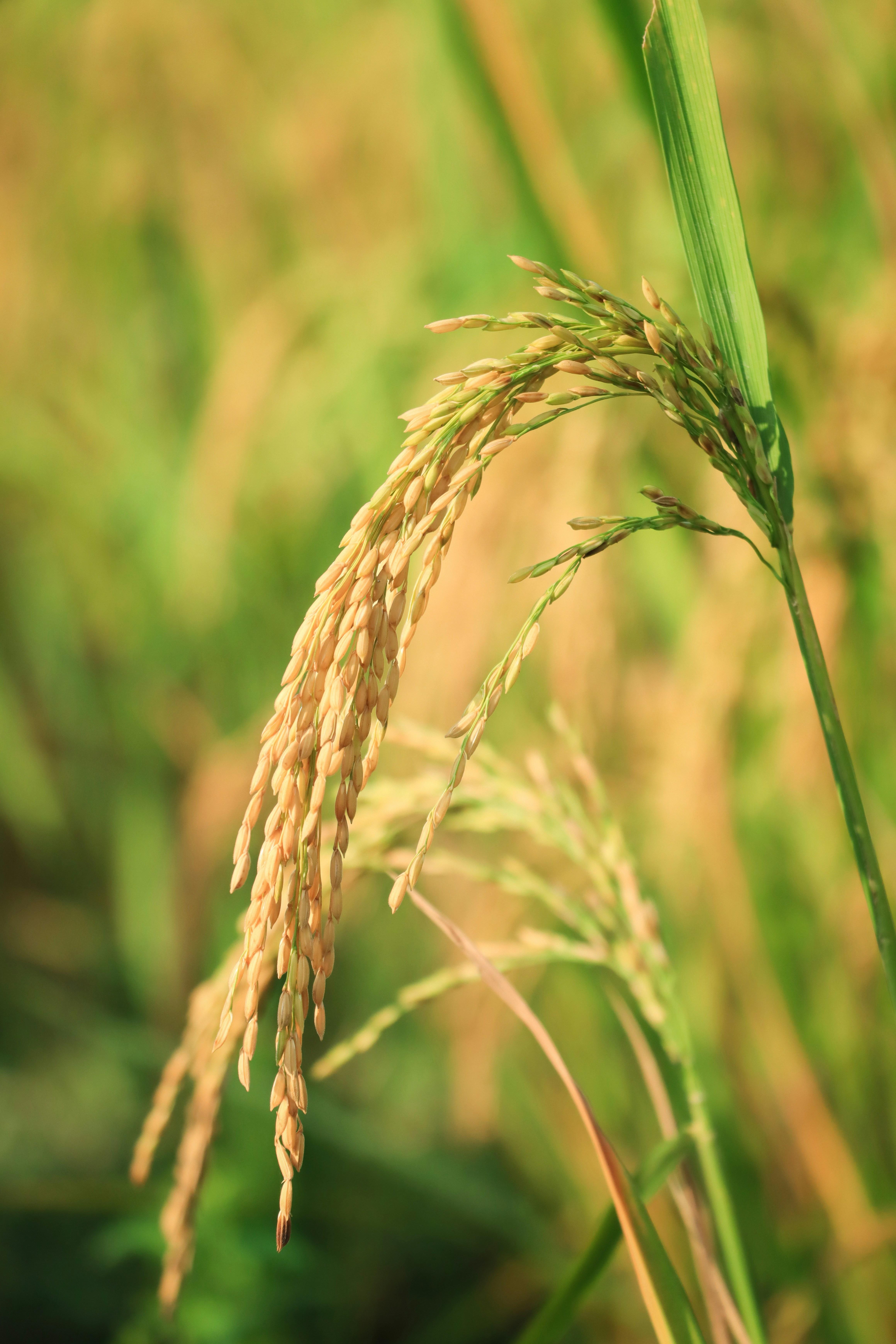
Exploring the Journey from Paddy to Rice: Understanding the Processing Steps
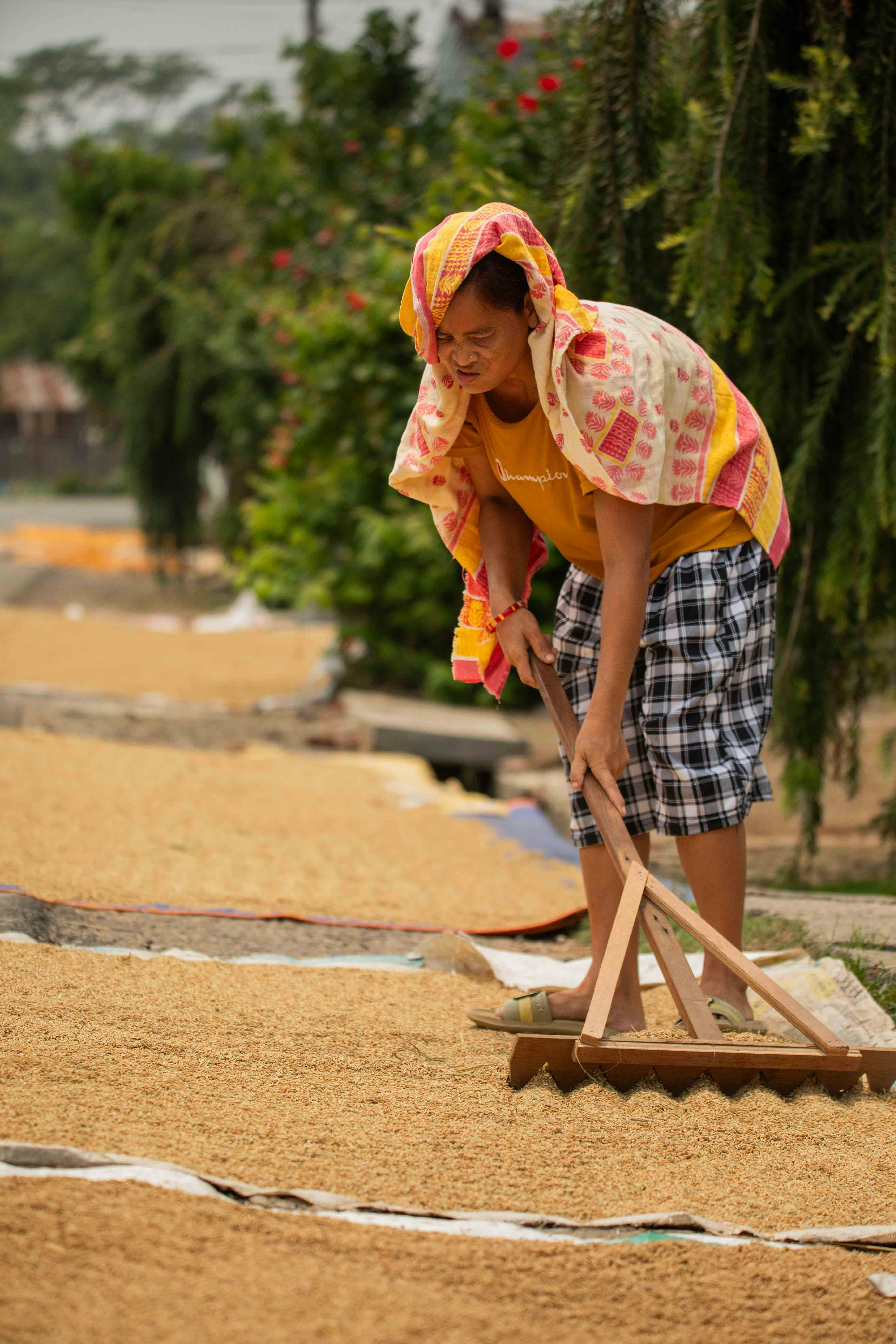
Transforming paddy into rice is an intricate process that marries the art of traditional craftsmanship wiht modern technological advancements. This journey begins in the lush fields, where paddy is harvested at its optimal ripeness. Once collected, the grains undergo a series of carefully orchestrated steps that ensure quality and flavor retention. After harvesting, the first critical step is threshing, where the grains are separated from the stalks. Following this, the paddy is subjected to cleaning, eliminating undesirable impurities such as stones, chaff, and dust that could affect both quality and taste.
The next phase involves milling, where the outer husk is removed to reveal the white rice that we are familiar with. Milling is not just about removing the husk; it also plays a crucial role in determining the finish and texture of the rice. This operation can be divided into several sub-steps:
| Step | Description |
|---|---|
| Husking | Removal of the inedible husk, revealing brown rice. |
| Paddy Separation | Separation of whole grains from broken ones. |
| Polishing | Enhancing appearance and removing excess bran. |
Each processing step contributes to the final product, affecting qualities such as texture, aroma, and nutritional value. It’s captivating to see how a humble grain, through a sequence of meticulous actions, evolves into the staple food that graces tables around the world. In this journey, both tradition and innovation play pivotal roles, enabling a rich tapestry of flavors and culinary delights waiting to be explored.
Unlocking Quality: Innovative Techniques in Paddy Processing
In the continuous journey towards enhancing paddy quality, innovative techniques have emerged that blend traditional methods with advanced technology. By harnessing the power of machinery and modern science,processors can optimize the results at each stage of paddy treatment. Some of the most effective approaches include:
- Integrated Milling Systems: These systems combine dehusking, polishing, and grading into a single processing line, ensuring minimal grain breakage and maximizing yield.
- Temperature and Humidity Control: Maintaining the ideal conditions during storage helps preserve nutritional value and prevent spoilage, granting processors complete control over the grain’s quality.
- Ultrasonic Cleaning: This innovative cleaning technique uses sound waves to effectively remove foreign particles without damaging the grain, ensuring a higher level of purity.
Moreover, the application of AI and machine learning has transformed quality monitoring processes. Using data-driven methods, processors can assess grain quality in real time and make immediate adjustments. This progression in paddy processing is evident through metrics like:
| Technique | Benefit | Impact on Quality |
|---|---|---|
| Integrated Milling | Efficiency | Higher yield with less damage |
| Ultrasonic Cleaning | Purity | Reduced contaminants |
| AI Monitoring | Real-time adjustments | Consistent quality assurance |
Sustainability in Grain Production: Best Practices for Eco-friendly Processing
In the quest for sustainable grain production, eco-friendly processing techniques are becoming increasingly vital for preserving biodiversity and mitigating environmental impact. By adopting practices such as reduced water usage, integrated pest management, and crop rotation, producers can enhance yields while minimizing their ecological footprint. For instance, utilizing precision agriculture technologies helps in applying water, fertilizers, and pesticides more efficiently, ultimately leading to a cleaner and more sustainable processing approach.
Moreover, the implementation of renewable energy sources for milling and processing facilities plays a crucial role in lowering carbon emissions. Transitioning to biofuels or solar energy not only reduces reliance on fossil fuels but also supports local economies through job creation. A focus on waste management strategies, such as repurposing by-products from paddy processing for animal feed or compost, can further bolster a sustainable framework. Below is a simple comparison of traditional versus sustainable processing approaches:
| factor | Traditional Processing | Sustainable Processing |
|---|---|---|
| Water Usage | High | Efficiency Focused |
| Energy Source | Fossil Fuels | Renewable |
| Pest Management | Chemical Pesticides | Integrated Approaches |
| Waste Management | Disposing Waste | Recycling & Repurposing |
Nurturing Nutrition: Enhancing the Health Benefits of Processed Rice
In the world of sustainable food production,processed rice holds a special place,representing not just a staple food but a canvas for health innovation. Through meticulous handling and refinement, paddy can be transformed into a versatile ingredient that supports a balanced diet. By adopting nutrient-enhancing techniques, we can elevate the health benefits of rice, promoting wellness while respecting traditional practices. Some innovative approaches include:
- Fortification: Enriching rice with essential vitamins and minerals, such as iron and folic acid, to combat nutrient deficiencies.
- Fermentation: Using fermented rice products to boost probiotic content and improve gut health.
- Whole grain options: Introducing brown rice varieties that retain bran and germ, providing more fiber and antioxidants.
Moreover,the incorporation of functional ingredients can produce rice products that not only taste great but also enhance overall health.Imagine rice infused with superfoods,where inflammation-fighting compounds merge with staple grains. To showcase these options, consider the following variations:
| Product | Key Benefits |
|---|---|
| Spiced Quinoa Rice | Rich in protein and antioxidants |
| Turmeric Infused Rice | Anti-inflammatory and digestive health support |
| Herbed Brown Rice | Higher fiber for heart health |
By reimagining processed rice and creatively merging it with beneficial elements, we can not only enhance its inherent nutritional profile but also cater to the growing demand for healthier, more diverse food options. As we continue to innovate, the potential for rice to contribute to a healthier global diet becomes increasingly boundless.
Closing Remarks
As we wrap up our exploration of “The Art and science of Paddy Processing: A Grain Reimagined,” it becomes clear that this process is far more than just a means of converting rice hulls to edible grains. It is a harmonious blend of traditional craftsmanship and cutting-edge technology, a dance between nature and innovation.Each stage, from harvesting to milling, tells a story of diligence and ingenuity, reflecting centuries of agricultural heritage while adapting to the demands of modernity.
In our journey through the intricate pathways of paddy processing, we have unearthed the delicate balance of art and science that transforms a simple grain into a staple of sustenance for millions. The myriad methods and techniques employed not only enhance the nutritional profile of rice but also celebrate the cultural significance it carries around the world.
As we move forward, let us appreciate the intricacies of this process, recognizing the dedicated hands that have perfected it over generations. The next time you enjoy a bowl of rice,take a moment to reflect on the journey of that grain—an emblem of resilience and a testament to human ingenuity. In this reimagined world, paddy processing stands as a bridge connecting our past to our future, serving not just as a vital food source but as a canvas upon which communities thrive.