
In the heart of countless cultures across the globe, rice stands as a symbol of sustenance and tradition, nourishing billions and weaving stories that span generations. Yet, the journey from field to fork is often cloaked in labor and complexity. Enter the realm of paddy processing machines—innovations that are not just transforming the agricultural landscape but are also redefining the very essence of food production. As these machines seamlessly blend technology with age-old practices, they unveil a new chapter in the rice narrative, enhancing efficiency, fostering sustainability, and preserving the quality of this staple food. In this article, we explore the magic behind paddy processing machines, the intricate balance they strike between innovation and tradition, and the promising future they herald for rice growers and consumers alike.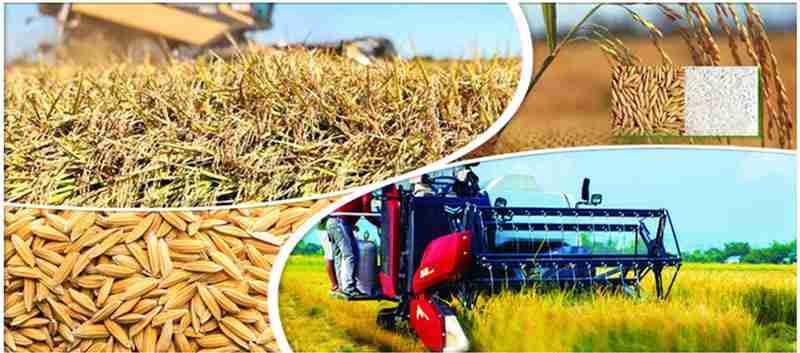
Exploring the Evolution of Paddy Processing Machines
The journey of paddy processing machines traces back to ancient practices where artisans relied on manual methods to separate rice grains from husks. Over time, the need for efficiency and increased production led to the invention of various mechanized solutions. Today’s paddy processing machines exemplify a remarkable blend of tradition and modern technology. Centrifugal separators, dehuskers, and polishers now play crucial roles in transforming raw paddy into polished rice ready for consumption. The evolution in design and functionality of these machines has been influenced by advances in engineering, enabling higher throughput and reduced processing time.
Throughout this evolution, manufacturers have emphasized durability, ease of use, and energy efficiency. Key innovations include the integration of automation, allowing for more precise operation and reduced human error. Factors such as environmental sustainability have also gained prominence, leading to the development of machines that minimize waste and energy consumption. To highlight the major components and their functions, consider the following table:
| Component | Function |
|---|---|
| Dehusker | Removes husk from paddy grains. |
| Separator | Separates brown rice from unhulled grains. |
| Polisher | Enhances the appearance of rice by removing bran. |
| Grader | Sorts rice based on size and quality. |
This transformation not only improves the quality of the rice produced but also amplifies the economic viability of rice milling operations. The ongoing innovations promise a future where paddy processing is not just a labor-intensive task but an automated, efficient process, making quality rice accessible globally.

Unveiling the Technology Behind Efficient Rice Production
The world of paddy processing has undergone a remarkable transformation with the advent of cutting-edge technology. From harvesting to post-harvest processing, innovative machines have streamlined every step to minimize labor and maximize efficiency. Modern paddy processing machines utilize advanced automation systems that enhance productivity while ensuring the quality of rice is maintained. These machines are designed with various features including:
- Automated Milling: Reduces the need for manual labor while maintaining precision in the milling process.
- Color Sorters: Use high-resolution cameras and artificial intelligence to remove impurities and discolored grains, ensuring a higher quality final product.
- Revolutionary Dryers: Efficiently manage moisture levels in rice grains, preventing spoilage and ensuring longer shelf life.
Furthermore, the integration of AI and IoT into paddy processing machines is paving the way for smarter agriculture. Remote monitoring and data analytics are enabling farmers to track production rates, equipment performance, and grain quality in real time. This not only leads to better decision-making but also contributes to sustainable practices in rice farming. A concise comparison of traditional vs. modern processing methods is illustrated in the table below:
| Aspect | Traditional Method | Modern Technology |
|---|---|---|
| Labor Intensity | High | Low |
| Time Efficiency | Slow | Fast |
| Grain Quality | Variable | Consistent |
| Moisture Control | Poor | Automated |
Enhancing Quality and Reducing Waste in Rice Processing
In the intricate journey from paddy to plate, the integration of advanced paddy processing machines plays a pivotal role in enhancing the quality of rice. By utilizing precision technology, these machines ensure that each grain is processed to perfection, making a significant impact on the final product. The use of hullers, whiteners, and polishers not only improves the appearance of rice but also preserves its nutritional value. Key benefits of modern rice processing technology include:
- Consistent Grain Quality: Automated systems minimize human error, resulting in uniformity.
- Higher Yield: Efficient extraction processes maximize the amount of edible rice obtained from paddy.
- Nutritional Retention: Gentle handling techniques reduce the loss of essential nutrients.
Equally important in the fight against waste is the innovative approach to byproduct management facilitated by paddy processing machines. These machines are designed not just to process grains but also to recover valuable byproducts like husk and bran. By making use of these materials, producers can create additional revenue streams and promote sustainability within the industry. An overview of byproduct utilization is presented in the table below:
| Byproduct | Uses |
|---|---|
| Rice Husk | Fuel, animal bedding, and construction material |
| Rice Bran | Cooking oil, animal feed, and health supplements |
| Broken Rice | Porridge, pet food, and brewing industry |
Sustainable Practices and Future Innovations in Paddy Machinery
In an era where environmental stewardship is paramount, the evolution of paddy machinery is steering the agricultural industry towards more sustainable practices. Modern innovations focus on enhancing efficiency while minimizing the carbon footprint associated with rice production. Key practices that are paving the way include:
- Utilization of solar-powered machinery to harness renewable energy.
- Integration of precision agriculture, which involves using technology to monitor soil health and crop growth, ensuring optimal resource usage.
- Development of biodegradable components to reduce landfill waste from broken machinery parts.
Furthermore, the future of paddy processing is being shaped by groundbreaking innovations that promise to redefine efficiency. For example, the advent of smart sensors and AI-driven analytics allows farmers to monitor machinery performance and crop conditions in real-time, leading to better decision-making. These advancements not only boost productivity but also enhance sustainability by reducing resource wastage. In addition, research is being conducted into automated harvesters, designed to minimize soil compaction and improve crop yield without detrimental effects on the ecosystem. The following table summarizes these transformative technologies:
| Technology | Impact |
|---|---|
| Solar-Powered Machinery | Reduces reliance on fossil fuels |
| Smart Sensors | Enables precise monitoring and resource management |
| Automated Harvesters | Minimizes soil compaction and enhances yield |
| AI-Driven Analytics | Improves decision-making for farmers |
Final Thoughts
As we conclude our exploration of the transformative impact of paddy processing machines on the rice industry, it becomes clear that these innovations represent more than just mechanization; they symbolize a shift towards sustainability, efficiency, and quality. By harnessing advanced technology, farmers and processors are not only enhancing their productivity but also embracing a future where every grain reflects the hard work and dedication of those who cultivate it.
The journey from paddy to polished rice is no longer a laborious task but a celebration of ingenuity, allowing communities to thrive and adapt in an ever-changing agricultural landscape. As we look ahead, it is essential to continue supporting these advancements and promoting practices that uplift farmers, improve food security, and honor the rich cultural heritage tied to this staple crop.
In a world where the demand for rice continues to grow, the magic of paddy processing machines serves as a reminder that innovation lies at the heart of possibility. Let’s embrace this transformation and support a revolution in rice that nourishes both people and the planet for generations to come.




