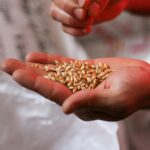
In the lush, sun-kissed fields where golden grains sway gently in the breeze, a quiet revolution is taking root. The humble paddy, a staple of sustenance for billions around the globe, has long relied on traditional farming methods. Yet, as the demands of an ever-growing population intensify alongside the challenges posed by climate change, the agricultural landscape is undergoing a profound transformation. Enter the era of paddy processing machines—technological marvels that promise not only to streamline the harvest but to enhance efficiency, quality, and sustainability in rice production. This article explores how these innovations are not merely changing the way farmers do business, but are also redefining the heartbeat of rural economies and food security across the world. Join us as we delve into the mechanics and impact of this burgeoning trend that is set to reshape the future of one of humanity’s most essential crops.
Embracing Technological Advancements in Paddy Processing
The paddy processing industry has undergone a profound transformation thanks to modern technological advancements. With the integration of innovative machinery, farmers can now achieve higher efficiency and consistency in processing their harvests. Automated milling systems, color sorters, and de-huskers have become essential tools for producers looking to maximize their output and enhance the quality of their rice products. This shift towards mechanization not only reduces labor costs but also minimizes human error, resulting in a product that is cleaner and more uniform, catering to market demands with greater precision.
Incorporating these advanced technologies into the processing workflow has several benefits, including:
- Improved Efficiency: Automated machines accelerate processing times, allowing farmers to handle larger quantities of paddy in shorter periods.
- Quality Control: High-tech sorting and grading facilities ensure that only the best grains make it to the final product.
- Cost-Effectiveness: While the initial investment can be substantial, the long-term savings on labor and increased yield make mechanization financially viable.
| Machine Type | Function | Benefit |
|---|---|---|
| De-husker | Removes the husk from paddy grains | Enhances product quality by reducing impurities |
| Color Sorter | Separates discolored or damaged grains | Ensures consistency and marketability of final rice |
| Polisher | Improves grain appearance and quality | Boosts consumer appeal and value |
These advancements not only modernize the approach to paddy farming but also pave the way for sustainable agricultural practices. By reducing waste and enhancing productivity, technological innovations contribute to a healthier economic ecosystem for rice farmers. As the industry continues to evolve, adopting state-of-the-art processing machines stands as a testament to the commitment of stakeholders towards a future where traditional practices are augmented by cutting-edge technology.

Enhancing Efficiency and Reducing Labor in Rice Production
The introduction of advanced paddy processing machines has transformed the landscape of rice production, leading to remarkable improvements in productivity. These machines, equipped with cutting-edge technology, streamline various stages of rice cultivation and harvesting, significantly reducing the need for extensive manual labor. Farmers can now rely on functionalities like automatic threshing, husking, and sorting, which not only accelerates the entire process but also minimizes post-harvest losses that have traditionally plagued rice growers. The shift towards mechanization enables cultivators to harvest larger areas in shorter timeframes, liberating them from the physical demands of manual labor.
By adopting such innovative machinery, rice producers benefit from numerous operational efficiencies, resulting in enhanced profitability. Consider the following advantages that underline the necessity of these modern solutions:
- Time efficiency: Automated mechanisms drastically cut down harvesting times.
- Cost reductions: Limited labor requirements lower overall production costs.
- Consistent quality: Machines provide standardized processing, resulting in uniform grain quality.
- Increased output: Higher yield per hectare due to precision in harvesting and processing.
These advancements also promote sustainability in rice farming by optimizing resource use and minimizing waste. For instance, with machines capable of efficiently separating grains from chaff, the amount of raw material that goes to waste decreases significantly, leading to better resource management. This shift not only positions microbial, environmental, and financial benefits favorably but also sets a new benchmark for sustainable agricultural practices.

Sustainability Through Innovation: Eco-Friendly Paddy Processing Solutions
In recent years, the paddy processing industry has witnessed a remarkable transformation, driven by a commitment to sustainability and the embrace of cutting-edge technologies. Eco-friendly paddy processing machines are at the forefront of this revolution, integrating advanced innovations designed to minimize environmental impact while maximizing efficiency. These solutions not only streamline the processing of rice but also reduce waste and energy consumption, aligning agricultural practices with a greener future. By adopting such technologies, farmers can enhance productivity while caring for the planet.
Moreover, these eco-conscious machines come equipped with features that promote resource conservation and environmental stewardship. For instance, some systems utilize solar energy to power operations, significantly lowering carbon footprints. Additionally, the following innovations are redefining paddy processing:
- Water-efficient systems: Techniques that reduce water usage during processing.
- Biodegradable materials: The incorporation of sustainable materials in machine construction.
- Waste recycling: Using by-products from rice processing to create bioenergy.
To illustrate the benefits of these advancements, consider the following table that highlights the key sustainability features of modern paddy processing machines:
| Feature | Description | Benefits |
|---|---|---|
| Energy Efficiency | Utilization of energy-saving technologies | Lower operational costs and reduced emissions |
| Water Conservation | Innovative methods to minimize water usage | Less impact on local water resources |
| Biomass Utilization | Using waste for renewable energy | Increased sustainability and waste reduction |
By embracing these innovations, the agricultural sector moves closer to achieving a sustainable future, where food production and environmental responsibility go hand in hand. This synergy not only supports farmers in improving their operational efficiency but also contributes significantly to the preservation of our planet’s resources.
Future Trends: The Next Generation of Paddy Processing Machines
As the agricultural sector embraces technological advancements, the next generation of paddy processing machines is set to redefine efficiency and productivity. These innovative machines are being designed with advanced features that not only enhance processing speed but also ensure maximum quality preservation of the grain. Manufacturers are increasingly focusing on integrating smart technologies such as IoT (Internet of Things) and AI (Artificial Intelligence) to monitor and optimize processing processes, ultimately aiming to reduce waste and improve yield. Key features of these modern machines include:
- Automated Sorting: Utilizing sensors and smart imaging to separate high-quality grains from defects automatically.
- Energy Efficiency: Newer machines are designed to consume less power while delivering higher output.
- Data Analytics: Real-time monitoring that offers insights into production metrics and performance analytics.
In addition to these advancements, manufacturers are also emphasizing sustainability in their designs. Adoption of eco-friendly materials and processes is becoming increasingly prevalent, promoting a minimized carbon footprint throughout the paddy processing cycle. To illustrate the advancement trends, the following table highlights some emerging technologies and their potential benefits.
| Technology | Benefit |
|---|---|
| IoT Connectivity | Real-time data collection for better decision-making |
| AI-Driven Algorithms | Enhanced predictive analysis for optimal processing |
| Biodegradable Materials | Reduced environmental impact |
This wave of innovation promises to usher in a new era for paddy processing, where traditional methods are complemented by cutting-edge technology, resulting in smarter, faster, and more sustainable agricultural practices.
In Conclusion
As we stand on the brink of a new agricultural era, the rise of paddy processing machines marks a significant turning point in how we approach rice cultivation and production. These innovative technologies not only promise to streamline harvests but also enhance efficiency and sustainability in a sector that feeds billions. The journey from seed to grain has never been more dynamic, with automation and precision guiding our hands towards bountiful crops and a brighter future.
With every machine that turns, grinds, and packages, we reshape the landscape of agriculture, reducing labor costs and improving output quality. As farmers embrace these advancements, it’s crucial to remain aware of the balance between technology and tradition, preserving the rich heritage that surrounds rice farming while harnessing the potential that modernity offers.
Ultimately, the story of paddy processing machines is not just about machines; it is about the people, the communities, and the ecosystems that thrive alongside this evolving industry. As we look ahead, the promise of innovation is ripe for the picking, heralding a new chapter in global food production where efficiency interweaves with responsibility, paving the way for sustainable harvests that can nourish generations to come.