In the heart of lush green fields, where golden grains sway gently in the breeze, lies a hidden world of transformation—a paddy processing factory.Here, nature’s bounty undergoes a meticulous journey, turning freshly harvested rice into the staple that graces tables around the globe. Inside this bustling facility, the air hums with purpose and precision, as farmers’ years of dedication meet cutting-edge technology. Every grain tells a story, from the intricacies of cultivation to the art of milling, all converging to cultivate not just rice, but quality and consistency. Join us as we delve into the inner workings of the paddy processing factory, exploring the processes that elevate humble grains into a culinary essential cherished by countless cultures. Discover how this industrious hub contributes to the agricultural landscape, ensuring that each bite of rice reflects the hard work and passion of those behind the scenes.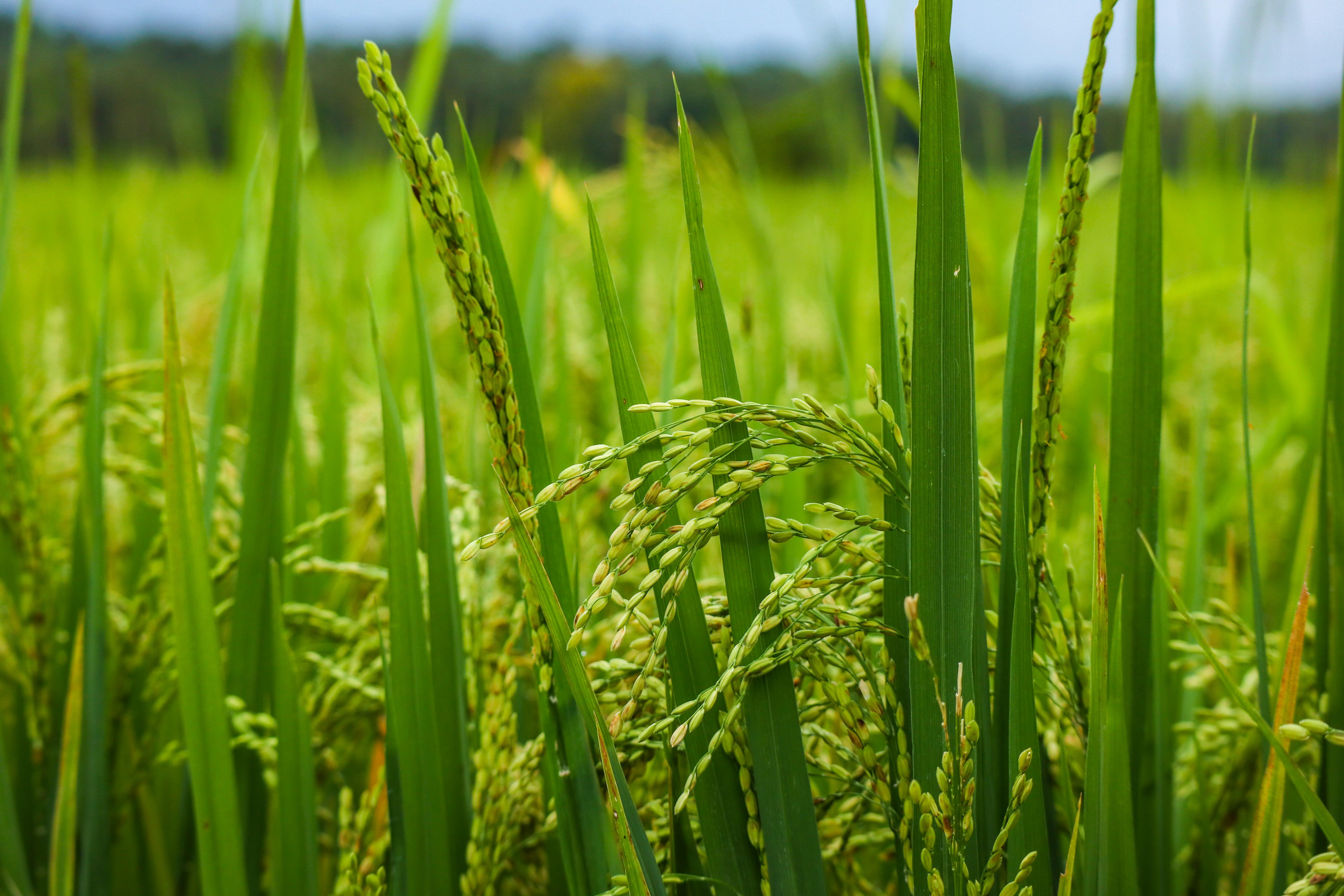
Understanding the Journey from Paddy to Rice: Key processing Stages
The journey from paddy to rice involves several crucial processing stages that transform raw, husked grains into the polished rice we find on supermarket shelves. The first stage, harvesting, is where ripe paddy is gathered, typically using specialized machinery that ensures minimal loss. Once harvested, the paddy undergoes drying to reduce moisture content, preventing spoilage and preparing it for storage. This step is essential for maintaining the quality and longevity of the rice. Next comes milling, where the outer husk is separated from the grain. this process not only enhances appearance but also vital nutritional aspects, like the increase in readily digestible starches.
Following milling, the rice is subjected to polishing, giving it a shiny finish while removing any remaining bran layer.After polishing, the rice is sifted through various grading processes to ensure uniformity in size and quality, which is crucial for cooking consistency. the processed rice is packaged for distribution. Below is a simplified overview of these stages:
| Processing Stage | Description |
|---|---|
| Harvesting | Gathering ripe paddy using machinery. |
| Drying | Reducing moisture content for preservation. |
| Milling | Removing the outer husk from the grain. |
| Polishing | Enhancing appearance by polishing the grain. |
| Grading | Sifting to ensure uniformity in size and quality. |
| Packaging | Preparing for distribution to retailers. |
Quality Control Mechanisms in paddy Processing: Ensuring Premium Output
In the pursuit of excellence in rice production, a variety of systematic protocols are implemented throughout the paddy processing stages. From initial harvesting to final packaging, each step is meticulously monitored to uphold the quality standards that consumers expect. Key control mechanisms include:
- Field Inspections: Regular assessments of paddy fields ensure optimal growth conditions and identify any possible diseases or pests early on.
- Moisture Level Monitoring: Maintaining appropriate moisture levels during drying is crucial to prevent spoilage and ensure longevity.
- Sorting and Grading: Advanced technology is often employed to segregate grains based on size and quality, ensuring that only premium output reaches the market.
- laboratory Testing: Pre-packaging tests for purity, nutritional content, and presence of contaminants are routinely conducted in specialized labs.
Moreover, the integration of technology in quality control has transformed traditional practices into more efficient systems. Automated machinery equipped with sensors delivers real-time data,facilitating instantaneous adjustments. The use of Quality Management Systems (QMS) plays a pivotal role, as it allows for continuous improvements through:
| QMS element | Description |
|---|---|
| Standard Operating Procedures (SOPs) | Establish consistent practices across all stages of processing. |
| Employee Training | Regular workshops to enhance skills and knowledge regarding quality standards. |
| Feedback Loops | Incorporating customer feedback for continuous quality improvements. |
Technological Innovations in Rice Processing: Enhancing Efficiency and Consistency
Recent advancements in rice processing technology have transformed the way rice is milled, packaged, and distributed. Modern facilities are now equipped with complex machinery that enhances the speed and accuracy of each processing stage. These innovations include automated milling systems, which reduce human error while ensuring uniform grain sizes, and advanced sorting machines that utilize optical sensors to detect foreign objects and unfit grains. The integration of IoT (Internet of Things) devices allows for real-time monitoring of equipment efficiency and product quality, facilitating immediate adjustments in the processing line to maintain optimal output.
Additionally, the introduction of heat treatment techniques helps in increasing the shelf life and nutritional quality of rice. By utilizing precise heating methods, factories can eliminate harmful pests and minimize mycotoxin levels without compromising the grain’s intrinsic qualities.to further ensure consistency, many facilities have adopted automated packaging solutions, which not only streamline the packing process but also reduce the risk of contamination. This holistic approach to rice processing not only enhances efficiency but also elevates the quality of the end product, fulfilling consumer demands for healthier and safer rice options.Here’s a speedy look at some of these innovative technologies:
| Technology | Benefits |
|---|---|
| Automated milling systems | Increased speed & reduced human error |
| Optical Sorting Machines | higher accuracy in quality control |
| IoT Monitoring | Real-time feedback & adjustments |
| Heat Treatment | Extended shelf life & improved nutrition |
| Automated Packaging | Streamlined process & contamination reduction |
Sustainable Practices in the Factory: Balancing Production with Environmental responsibility
In our pursuit of excellence, implementing eco-amiable practices is crucial for harmonizing production processes with environmental stewardship. By embracing sustainable sourcing of raw materials, we ensure that our rice is cultivated using methods that maintain soil health and promote biodiversity. Additionally,our factory operations employ advanced technologies to minimize waste and energy consumption.This includes:
- Energy-efficient machinery: Utilizing state-of-the-art equipment that reduces energy usage while maximizing output.
- Water recycling systems: Capturing and reusing water throughout the processing stages, thus conserving this vital resource.
- Waste reduction protocols: Implementing systematic procedures to recycle by-products and reduce landfill contributions.
Moreover, employee training emphasizes the importance of sustainable practices in everyday operations. We also conduct regular assessments of our environmental impact to identify new opportunities for advancement.To measure our progress, we track key performance indicators in a simple yet effective table:
| Metric | Current Value | Target Value |
|---|---|---|
| Energy Consumption (kWh) | 15,000 | 10,000 |
| Water Reusage (%) | 70 | 90 |
| Waste Diverted (%) | 50 | 75 |
Such metrics not only guide our operational strategies but also reflect our commitment to the environment and community, showcasing a clear pathway towards a more sustainable future in rice processing.
In Summary
As we conclude our journey inside the paddy processing factory, we’ve unearthed the meticulous craft that transforms humble grains into quality rice, serving as a staple for millions around the globe. From the moment the paddy is harvested to its careful milling and packaging, each step is a testament to the dedication and expertise of those who work behind the scenes. Here, tradition meets technology, ensuring that the rice reaching our tables is not only nutritious but also a reflection of the rich agricultural heritage it comes from.
As we savor our next bowl of rice, let us appreciate the journey it has undertaken and the countless hands that have played a role in its production. In a world where food security and sustainability are paramount, the efforts within the paddy processing factory stand as a beacon of hope and innovation, urging us to cultivate quality and care in every bite. The next time you enjoy a meal, take a moment to reflect on the story within each grain—one of resilience, quality, and the unwavering spirit of those who bring it to life.