
In the vast expanse of lush green fields, where rice plants sway gently in the breeze, lies the heart of an intricate journey from seed to sustenance. As the golden grains are harvested and brought to life in paddy processing factories, they undergo a remarkable transformation, a blend of tradition and technology that plays a pivotal role in global food systems. “Inside the Heart of Grain: Exploring Paddy Processing Factories” invites you into this fascinating world, where the rhythmic sounds of machinery and the fragrance of freshly milled rice coexist. Here, we uncover the meticulous processes that ensure quality and flavor, while exploring the impact of these facilities on local economies and the environment. Join us as we delve into the inner workings of these essential hubs, bringing to light the stories and innovations that keep our plates full and our communities thriving.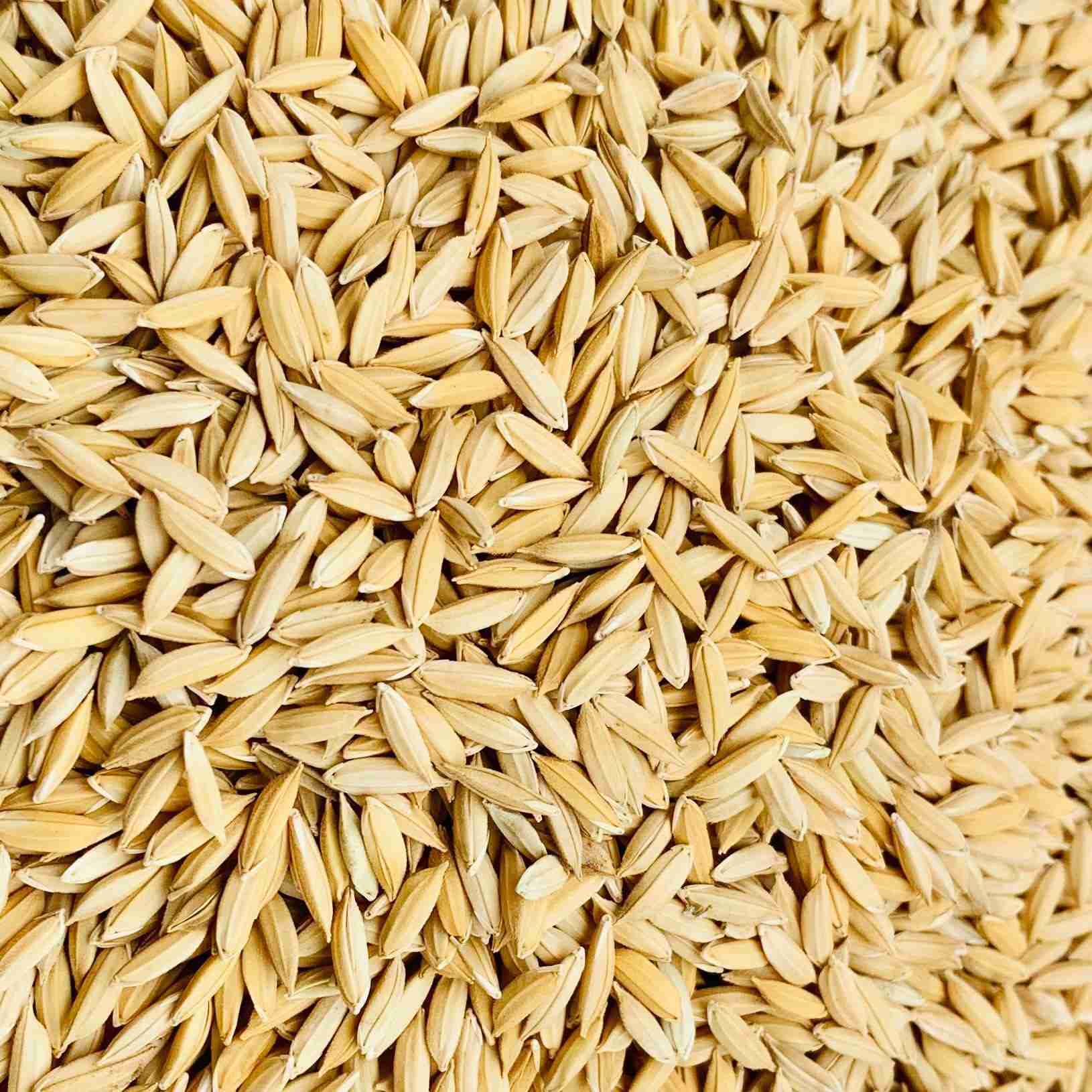
Understanding the Journey of Paddy from Field to Factory
The journey of paddy begins in sun-kissed fields, where farmers nurture their crops through a delicate balance of natural elements. Once harvested, threshed grains embark on their next phase—processing. This step is crucial as it transforms raw paddy into consumable rice. At the processing plant, the paddy encounters an elaborate system designed to ensure quality and efficiency. Key processes include:
- Cleaning: Removal of impurities such as stones, dust, and other debris.
- Hulling: Separation of the outer husk from the grain.
- Milling: Flaking the bran layer to produce white rice, enhancing flavor and aroma.
- Polishing: Refining the rice grains for a glossy finish and improved presentation.
Once processed, the rice is graded and packaged, ready for distribution. Throughout this journey, quality control is paramount—ensuring that only the best grains reach consumers. Factories often employ a stringent testing regime, assessing everything from moisture levels to grain hardness. The following table illustrates some common quality parameters monitored during processing:
| Quality Parameter | Description | Standard Value |
|---|---|---|
| Moisture Content | Amount of water present in the grain | 14% max |
| Grain Length | Measuring the average length of rice grains | Varies by type |
| Broken Grains | Percentage of broken rice in the batch | 5% max |

Efficiency at Every Stage: An Inside Look at Paddy Processing Techniques
The journey from paddy to polished rice is a marvel of efficiency, showcasing mastery at every turn of the process. Each stage is meticulously organized, designed to maximize output while minimizing waste. From initial harvesting, where skilled hands skillfully separate grains from stalks, the paddy is transported to processing facilities equipped with cutting-edge technology. The drying stage utilizes advanced pneumatic systems to ensure that moisture levels are perfectly balanced, preventing spoilage and ensuring quality. This is followed by a thorough cleaning process, where impurities are removed using a combination of air drying and vibrating screens.
This systematic approach continues into the milling process, where the rice is hulled and polished. Modern machines operate with precision, utilizing techniques such as steam conditioning to enhance the texture and flavor while improving recovery rates. The efficiency doesn’t stop here; quality control measures are embedded throughout, with automated sorting and grading systems in place to ensure only the highest standards are met. The entire operation is a testament to innovation, as reflected in the following table showcasing key stages of the paddy processing technique:
| Stage | Description |
|---|---|
| Harvesting | Manual or mechanical extraction of grains from paddy hearts |
| Drying | Utilizing air and heat to achieve optimal moisture levels |
| Cleaning | Removal of stones, dirt, and other impurities using air and vibration |
| Milling | Hulling and polishing achieved through high-efficiency machinery |
| Quality Control | Automated sorting and grading to ensure premium quality |
Quality Control Measures: Ensuring Optimal Grain Outcomes
In paddy processing factories, maintaining the highest quality standards is paramount for optimizing grain outcomes. To achieve this, several quality control measures are implemented throughout the processing stages. Rigorous inspections are conducted on incoming grains to assess their quality, moisture content, and any potential contaminants. Utilizing advanced technology, such as electronic sorting machines, ensures that only the finest grains progress through the system. Continuous monitoring is essential; therefore, factory personnel routinely conduct physical inspections and laboratory analyses to guarantee compliance with industry standards.
Additionally, effective quality control extends beyond mere inspection. It involves adopting comprehensive training programs for staff to emphasize the importance of quality preservation at every stage. These programs cover topics such as:
- Best practices for handling and storage
- Understanding the impact of moisture on grain quality
- Identifying common pests and diseases
- Maintaining machinery and equipment
To illustrate the impact of these measures, consider the following table highlighting the differences in output quality based on the implementation of quality controls:
| Quality Control Measure | Grain Quality Score (1-10) | Defect Rate (%) |
|---|---|---|
| Without Controls | 5 | 15 |
| With Basic Controls | 7 | 8 |
| With Comprehensive Controls | 9 | 2 |
The differences showcased demonstrate that a proactive approach to quality assurance doesn’t just enhance the product but also contributes significantly to overall efficiency and consumer satisfaction in the grain industry.
Sustainable Practices in Paddy Processing: Innovations for a Greener Future
In the quest for a greener future, the paddy processing industry is making significant strides toward sustainability. By adopting innovative technologies and embracing eco-friendly practices, factories are not only enhancing their efficiency but also reducing their environmental footprint. Some of the leading sustainable practices include:
- Utilization of solar energy to power processing equipment.
- Implementation of water recycling systems to minimize water wastage.
- Integration of biomass technologies for generating energy from rice husks.
- Adoption of organic farming techniques in paddy cultivation to limit chemical usage.
Modern paddy processing facilities are also embracing digitalization to streamline operations. Smart monitoring systems help track energy usage and resource consumption, ensuring optimal operations. The integration of sustainable logistics reduces carbon emissions during transportation. To illustrate the impact of these innovations, consider the following table showcasing key metrics before and after the adoption of sustainable practices:
| Metrics | Before Implementation | After Implementation |
|---|---|---|
| Water Usage (liters/ton) | 2,500 | 1,200 |
| CO2 Emissions (kg/ton) | 500 | 230 |
| Energy Consumption (kWh/ton) | 150 | 90 |
Concluding Remarks
In the intricate dance of grains and machines, the world of paddy processing factories reveals an unseen narrative—a story woven through the husks, steps, and stages of transformation. From the moment golden stalks are harvested to the rhythmic hum of milling, these factories stand as silent witnesses to the alchemy of agriculture. With each grain that passes through their machinery, a connection is forged, echoing the labor and dedication of countless farmers.
As we close the cover on our exploration, we invite you to reflect on the journey that each grain undertakes from field to table. The processes, the technology, and the people behind the scenes all contribute essential threads to the fabric of our food systems. In understanding these intricate workings, we gain a deeper appreciation for the grain that nourishes us, reminding us that every bite carries with it a legacy of labor and care.
So the next time you savor a bowl of rice, remember it’s not just a meal, but a culmination of effort and innovation that echoes through the heart of every paddy processing factory. In this dance of grain, let us not only recognize how it reaches our plates but also honor the journey it undertakes to get there.




