
Embark on a journey through the intricate and ancient art of paddy processing with ”Harvest to Plate: Exploring the Art of Paddy Processing.” Join us as we delve into the fascinating world of transforming raw rice into culinary masterpieces, from the lush fields of harvest to the savory delights served on your plate. Explore the rich traditions, innovative techniques, and cultural significance of this age-old practice that has sustained civilizations for centuries. Prepare to be captivated by the magic that happens behind the scenes as we unravel the mysteries of paddy processing.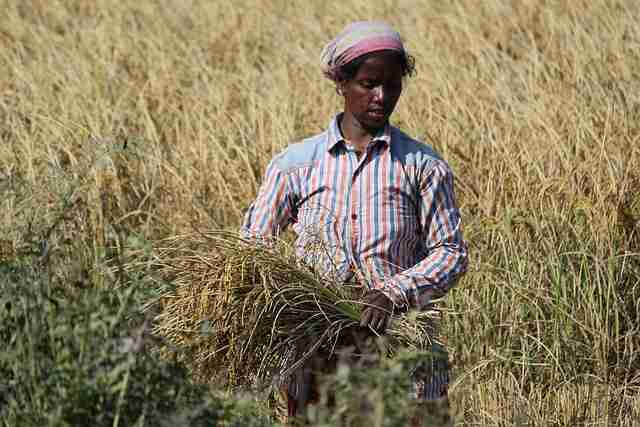
The Traditional Methods of Paddy Harvesting and Processing
Let’s dive into the rich cultural practices of paddy harvesting and processing that have been passed down through generations. In many parts of the world, the traditional methods of harvesting and processing paddy are deeply rooted in the local culture and play a significant role in community life. These age-old techniques not only ensure a bountiful harvest but also create a strong sense of unity and identity among the people.
**Here are some of the fascinating traditional methods used in paddy harvesting and processing:**
- Hand harvesting: Farmers meticulously pick each rice stalk by hand, ensuring that only the ripe grains are harvested.
- Threshing: After harvesting, the rice is separated from the stalks through methods such as beating, trampling, or using traditional threshing tools.
- Winnowing: The rice is then winnowed to remove the chaff by tossing it in the air, allowing the wind to carry away the lighter chaff while the heavier rice grains fall back down.

Innovative Techniques for Modern Paddy Processing
From traditional methods to cutting-edge technologies, the world of paddy processing is constantly evolving. One innovative technique making waves in the industry is the use of automated sorting machines. These machines utilize advanced imaging technology to quickly and efficiently sort through grains, separating out any impurities or defective kernels. This not only improves the overall quality of the final product but also reduces the amount of manual labor required.
Another modern technique revolutionizing paddy processing is the utilization of infrared drying systems. By using infrared radiation to evenly dry the grains, processors can achieve a higher quality product in a fraction of the time compared to traditional drying methods. This not only speeds up the processing time but also helps to preserve the flavor and nutritional content of the rice. With these innovative techniques, the journey from harvest to plate has never been more efficient or delicious.

Exploring the Health Benefits of Freshly Processed Paddy
Freshly processed paddy is a treasure trove of health benefits that often go unnoticed. When paddy is processed immediately after harvest, it retains a higher nutritional value, making it a wholesome choice for consumption. The art of paddy processing involves careful handling and milling techniques that ensure the preservation of essential vitamins and minerals.
From improved digestion to better heart health, the consumption of freshly processed paddy can have a significant impact on overall well-being. This nutrient-dense grain is rich in fiber, antioxidants, and essential nutrients that support a healthy lifestyle. Incorporating freshly processed paddy into your diet can provide sustained energy levels, promote weight management, and contribute to a balanced diet.
Tips for Ensuring Optimal Quality in Paddy Processing
When it comes to ensuring optimal quality in paddy processing, attention to detail is key. One important tip is to properly dry the harvested paddy before milling. This helps prevent mold growth and ensures a higher quality end product. Additionally, investing in high-quality milling equipment can make a big difference in the final result. Make sure to regularly maintain and calibrate your machines for consistent and efficient processing.
Another tip for achieving top-notch quality in paddy processing is to properly store the processed rice. Keep it in a cool, dry place to maintain freshness and prevent pests. Additionally, regularly check for any signs of spoilage and remove any damaged grains to maintain overall quality. By following these tips and being attentive throughout the processing journey, you can ensure a high-quality end product that satisfies both producers and consumers alike.
In Retrospect
In conclusion, the journey of a single grain of paddy from harvest to plate is an intricate dance of art and science, where ancient traditions meet modern technology. As we peel back the layers of this fascinating process, we gain a deeper appreciation for the effort and skill that goes into providing us with the staple food that sustains us. So next time you sit down to enjoy a plate of rice, take a moment to savor not just the flavor, but the rich history and craftsmanship that brought it to your table. Harvest to plate, a journey worth celebrating.




