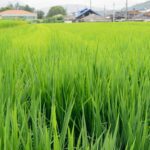
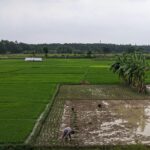
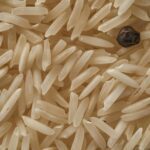
In the heart of lush green landscapes, where the gentle swaying of rice paddies paints a serene tableau, a meticulous transformation unfolds. “from Field to Grain: The Art of Paddy Processing Explained” invites you on a journey through the intricate steps that elevate humble paddy into the grains we know and cherish. This article unveils the age-old practices and modern techniques that intertwine tradition with innovation, showcasing the craftsmanship involved in every grain that fills our bowls. As we explore the path of paddy processing, we will uncover the challenges faced by farmers and processors alike, alongside the vital role this process plays in global food security. Join us as we delve into the art behind the grain, revealing the fascinating stories that lie within each husk.
understanding Paddy Cultivation and Harvesting Techniques
Paddy cultivation begins with selecting high-quality seeds that are suited to the local climate and soil conditions. Farmers typically engage in nursery readiness, where seeds are sown in a controlled environment to promote germination. As the seedlings grow, they are carefully monitored to ensure healthy advancement. Once they reach the right height, the young plants are transplanted into flooded fields, a method that suppresses weeds and facilitates nutrient uptake. During this stage, proper water management is crucial; maintaining appropriate water levels not only nourishes the plants but also enhances their growth rate and yield potential.
The process culminates in harvesting, which is a meticulous operation requiring coordinated timing. After the paddy plants reach maturity, they are cut using either customary sickles or modern mechanical harvesters. This method ensures minimal damage to the grains. Post-harvest, the paddy undergoes threshing, where grains are separated from the stalk. This is often followed by drying to reduce moisture content, preventing spoilage during storage. The final step in this meticulous journey involves milling, transforming brown rice into the polished white grain that consumers are familiar with. Below is a simplified overview of the primary stages:
| Stage | Description |
|---|---|
| Seed Selection | Choosing high-quality seeds for optimal growth. |
| Nursery Preparation | Germinating seeds in a controlled environment. |
| Transplanting | Moving seedlings to flooded fields for growth. |
| Harvesting | Cutting mature plants carefully to avoid damage. |
| Threshing | Separating grains from the stalk. |
| Drying | Reducing moisture content for storage safety. |
| Milling | Transforming brown rice into polished grains. |
Essential Steps in the Milling Process for optimal Grain Quality
Achieving optimal grain quality during the milling process is a meticulous journey that begins with careful selection of raw materials. Initially, thorough cleaning of the paddy is vital to remove impurities such as dust, straw, and stones. This step ensures that only the highest quality grains proceed to the next stages. After cleaning, soaking the paddy in water enhances its moisture content, a crucial factor for effective milling. The grains need to absorb water adequately to avoid breakage during the milling stages.Moreover, parboiling can further strengthen the grains, improving their nutritional profile and cooking quality by gelatinizing the starches.
Once prepared, the paddy enters the milling phase where husk removal takes place to yield brown rice, followed by whitening that removes the bran layer, resulting in white rice.It’s essential to control the milling time and pressure, as excessive treatment can lead to increased broken rice percentages. Throughout this process, grading plays a critical role, where grains are sorted based on size and quality factors to ensure consistency. The final step involves packaging,which not only protects the grain from external elements but also impacts its marketability. Employing these steps meticulously contributes to achieving the highest possible quality in the final product.
| Process Step | Objective |
|---|---|
| Cleaning | Remove impurities |
| Soaking | Enhance moisture content |
| Parboiling | Strengthen grain quality |
| Husk Removal | Obtain brown rice |
| Whitening | Produce white rice |
| Grading | Sort grains by quality |
| Packaging | Protect and market the product |
Exploring Traditional and Modern Methods of Paddy Processing
Paddy processing is a captivating blend of tradition and modernity, each method reflecting the era’s innovations and cultural heritage. Traditionally, farmers would employ simple yet effective methods such as sun drying, hand threshing, and the use of watermills to prepare their grains. These techniques harnessed natural resources, emphasizing sustainability and a deep connection to the land. With the use of simple tools like wooden mortars and pestles, the labor-intensive process fostered community engagement, as neighbors would often come together to assist in the harvest. Key aspects of traditional paddy processing include:
- Sun Drying: Using sunlight to reduce moisture content in harvested rice.
- Hand Threshing: Separating grains from stalks manually, often a communal effort.
- Watermills: Utilizing water currents for milling, reducing physical labor.
in stark contrast, modern paddy processing has been revolutionized by technological advancements. Contemporary methods utilize machinery that automates many labor-intensive steps, significantly increasing efficiency and productivity. Today’s rice mills frequently enough incorporate automated systems for cleaning, hulling, and polishing the grains, which not only enhances quality but also reduces wastage. The integration of technology brings forth several advantages, such as:
- Speed: Reducing processing time drastically with mechanized equipment.
- Consistency: Ensuring uniform quality through standardized processes.
- Safety: Minimizing manual labor lowers the risk of injuries in processing stages.
| Aspect | Traditional Methods | Modern Methods |
|---|---|---|
| Labor Intensity | High | Low |
| Community Involvement | Strong | Minimal |
| efficiency | limited | High |
| Environmental Impact | Low impact | Varies depending on machinery used |
Sustainable Practices in Rice Production and Environmental impact
In the delicate dance of rice production,sustainable practices play a pivotal role in minimizing environmental impact. Crop rotation and integrated pest management are just a couple of methods that promote soil health and reduce dependency on chemical fertilizers and pesticides.This not only helps preserve biodiversity but also enhances the resilience of rice crops against pests and diseases. Beyond farming techniques,water conservation is equally key; utilizing methods such as intermittent flooding and alternate wetting and drying can significantly lower water usage while maintaining yields. Farmers adopting these practices contribute to a more sustainable ecosystem,ensuring the delicate balance of nature is respected.
Another critical aspect of sustainable rice production is post-harvest management. Efficient processing techniques can dramatically lower waste and emissions, ensuring that more of the harvested grain reaches consumers without compromising quality.The utilization of modern drying methods, for instance, allows for optimal grain moisture levels and reduces spoilage. Moreover, value-added processes can be implemented to maximize the utility of by-products, such as rice husks and bran, transforming them into bioenergy or animal feed. Below is a concise overview of the impact of sustainable practices:
| Practice | Benefits |
|---|---|
| Crop Rotation | Improves soil fertility and minimizes pest cycles. |
| Water Conservation | Reduces water usage by up to 30%. |
| Post-Harvest Management | Decreases waste and enhances grain quality. |
| Use of by-Products | Creates new revenue streams and promotes circular economy. |
Future Outlook
In closing, the journey of paddy processing is a blend of time-honored traditions and modern techniques, weaving together the dedication of farmers, the precision of milling, and the science of quality control. Each grain tells a story—from the lush green fields, where it begins its life, to the polished rice that graces our tables around the world. Understanding this process not only deepens our gratitude for the food we consume but also highlights the intricate systems that sustain our agricultural traditions and innovations. As we reflect on the pathway from field to grain, let us acknowledge the countless hands that contribute to this vital industry and the art that transforms simple paddy into a staple that nourishes millions. In every bowl of rice, there is a legacy waiting to be celebrated.