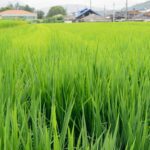
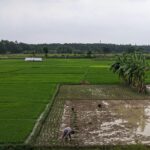
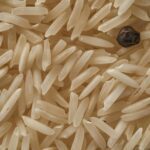
In teh lush green expanses of rice paddies,where water embraces the earth and sunlight dances upon the leaves,a remarkable journey begins. The change of paddy from its humble origins to the fine flour gracing kitchen counters is a captivating blend of art and science. This delicate process, steeped in tradition yet guided by modern innovation, unravels the story of sustenance that sustains billions around the globe. From the rhythmic swaying of the fields to the precision of milling, we delve into the intricate methods that convert nature’s bounty into a staple ingredient. Join us as we explore the engaging world of paddy processing—a journey that not only nourishes the body but also reflects the ingenuity of agricultural practices through the ages.
The Journey of Rice: Understanding the Life Cycle of Paddy
The life cycle of paddy, from its humble beginnings as a seed to its ultimate journey as the staple food on our tables, is a fascinating process that intricately weaves together both traditional practices and modern science. At the very start,paddy seeds are planted in flooded fields,creating a thriving environment that deters pests and encourages healthy growth.As the seedlings take root,several stages unfold,each crucial to nurturing the plant into maturity. factors such as water management, nutrient submission, and crop rotation play pivotal roles in ensuring optimal yields.The attentive farmer supervises every aspect of cultivation, from days of delicate weeding to the critical moments of pest control, all while keeping a watchful eye on weather patterns that can dramatically impact growth.
As the grains ripen and are ready for harvest, the cycle shifts from earth to human intervention. Modern machinery, such as combine harvesters, often works alongside traditional methods to ensure efficiency and preserve quality. Once the paddy is harvested, the grains undergo a meticulous processing journey. This includes stages such as drying, milling, and packaging. Each step is finely calibrated to maintain the integrity of the rice, transforming the hulled grains into a product that can be enjoyed around the globe. Below is a simple overview of the key stages in the processing of paddy:
| Processing Stage | Description |
|---|---|
| Harvesting | Collecting mature paddy grains from the field. |
| Drying | Reducing moisture content to prevent spoilage. |
| Milling | Removing husks and polishing grains for quality. |
| Packaging | Sealing rice for transport and sale. |
Echoes of Tradition: Exploring Traditional Processing Techniques
Throughout generations, the processing of paddy has been a meticulous craft, interweaving art and science to transform raw grains into the staple that nourishes millions. traditional techniques, passed down through communities, reflect a deep-rooted respect for the land and its bounty. These methods often involve manual labor and a keen understanding of the environment, thriving in harmony with nature. Notably, the steps include:
- Harvesting: Utilizing scythes and sickles, farmers carefully gather mature paddy, ensuring minimal waste.
- Threshing: Traditionally performed by hand or with animal-drawn implements, this step dislodges the grains from the stalks.
- Drying: Sun-drying on large mats or platforms allows moisture levels to drop, preserving freshness and preventing spoilage.
- Milling: Involves a combination of traditional stone mills or modern machinery to separate hulls from grains.
In many cultures,each stage of the process is infused with rituals and communal participation,reinforcing the meaning of community togetherness. To understand the efficiency of these traditional methods, it can be useful to compare them to modern practices. The following table highlights some of the direct contrasts:
| traditional Method | Modern Method |
|---|---|
| Use of hand tools | Mechanical harvesters |
| Natural sun-drying | Artificial dryers |
| Local, small-scale production | Industrial-scale processing |
| Community-based milling | Automated milling plants |
This blend of methodologies highlights the evolution and adaptation of paddy processing over time, yet it is remarkable how both methods aim to achieve the same goal: producing high-quality rice. As communities navigate modern challenges,the echoes of these traditional techniques provide invaluable lessons on sustainability,resilience,and the connection between humans and the fertile ground they till.
Innovations in Milling: Modern Methods Transforming Quality
As paddy processing evolves, the introduction of state-of-the-art milling technologies is redefining the quest for superior quality flour. Innovative methods such as laser sorting, automated milling systems, and high-efficiency husking are at the forefront of this transformation. These technologies not only enhance the speed and efficiency of processing but also considerably reduce the likelihood of contaminants and improve the nutritional value of the final product. For instance, laser sorting employs advanced optical systems to select grains based on color and size, ensuring that only the finest-quality grains proceed to the milling stage. This precision translates to a remarkable improvement in end-product consistency and consumer satisfaction.
Moreover, the integration of smart technology into milling operations facilitates real-time monitoring and data analysis, further elevating the quality of flour. Through IoT (Internet of Things) devices, millers can track moisture content, grain temperature, and other critical parameters throughout the milling process. This data-driven approach allows for swift adjustments to ensure optimal results, minimizing waste and maximizing output. modern paddy processing practices also emphasize sustainability by optimizing energy use and reducing water wastage in milling operations. The combination of these innovations creates a competitive edge for mills aiming to meet the increasing demand for high-quality,eco-friendly flour.
Nutrition and Sustainability: Balancing Health and Environmental Impact
In the journey from field to table, the role of paddy processing goes far beyond just transforming raw rice into edibles; it intertwines with the broader conversation about health and environmental impact.The meticulous steps involved in paddy processing help preserve vital nutrients while minimizing ecological footprint. Approaches such as integrated pest management and organic farming can lead to healthier grains while promoting biodiverse ecosystems.This mindful cultivation not only benefits consumers by enhancing the nutritional profile of rice but also fosters soil health, the conservation of water resources, and reduction of chemical inputs.
Moreover, the technological advancements in processing methods provide an avenue to enhance sustainability. Techniques such as parboiling, a traditional practice that preserves nutrient content, can be adapted with modern equipment to increase efficiency. Consider implementing the following practices:
- Energy-efficient milling: Reduces energy consumption and carbon emissions.
- Water recycling: Utilizes water used in processing, promoting conservation.
- Sustainable packaging: Employs biodegradable or recyclable materials to lessen plastic waste.
To visualize the impact of these practices on the overall sustainability of rice production, the following table summarizes key benefits:
| Practice | Health Benefits | Environmental Impact |
|---|---|---|
| Organic Farming | higher nutrient levels | reduced chemical runoff |
| Integrated Pest Management | Safer food options | Support for biodiversity |
| Water Recycling | Preservation of minerals | Conservation of water resources |
To Wrap It Up
As we draw our journey through the intricate world of paddy processing to a close, we hope to have illuminated the delicate dance between art and science that transforms humble grains into the flour that nourishes us. From the sun-drenched fields where rice plants sway gently in the breeze to the meticulous processes of milling and refining, every step is steeped in tradition and innovation. Understanding this transformation not only deepens our recognition for the food we consume but also highlights the importance of sustainable practices that honor both the land and the laborers. As we move forward, let us carry the knowledge of this journey and savor each grain’s potential, ever mindful of the journey it undertook from field to flour. In this ever-evolving dialog between nature and technology, the story of paddy processing invites us to reflect on our own connections to the food we eat and the processes that make it possible.