
From Field to Bowl: The Journey of Paddy Processing
In the heart of countless cultures around the globe, rice stands as a symbol of sustenance, tradition, and culinary artistry. Yet, before the shimmering grains of rice find their way into our bowls, they embark on a remarkable journey, originating in lush green fields where paddy flourishes under the sun. This journey of transformation is a blend of time-honored techniques and modern practices, each stage serving as a testament to the labor, care, and innovation that go into bringing this staple food from the earth to our tables. As we delve into the intricate process of paddy processing, we will uncover the delicate balance of nature and human intervention that transforms unrefined grains into the polished rice we savor, exploring the rich tapestry of agricultural practices, milling processes, and the stories of the people behind them. Join us as we trace the path from field to bowl, illuminating the unseen labor that nourishes us all.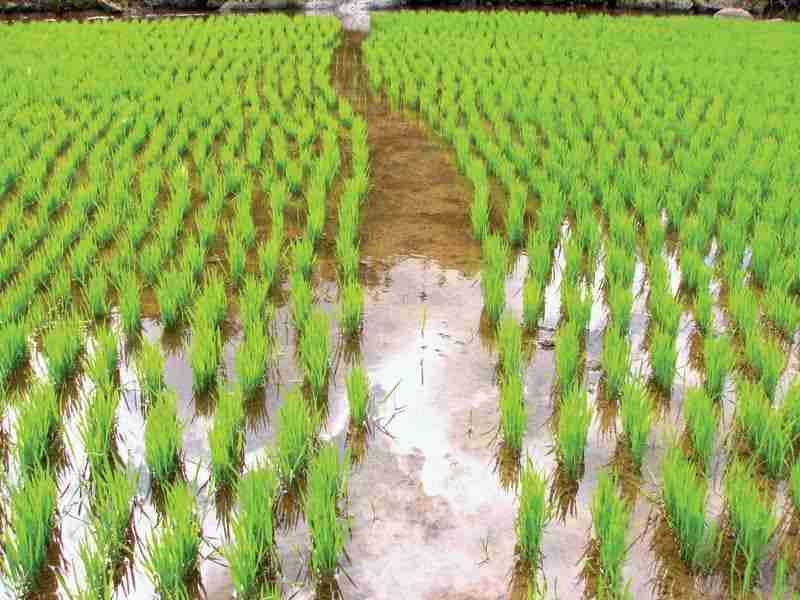
Understanding the Paddy Lifecycle: From Cultivation to Harvest
The journey of paddy from cultivation to harvest is a fascinating testament to nature’s rhythm and human ingenuity. It all begins in the warm embrace of the tropical sun, as farmers prepare their fields, often flooded with water to create ideal growing conditions. Rice seedlings are meticulously planted, either by hand or with the use of modern machines. This initial stage sees the tiny seedlings establish themselves, absorbing nutrients while being nurtured by continuous care. As the days progress, the plants grow taller, their lush green haloes transforming the fields into vibrant carpets of life.
As the season shifts, the grass-like rice plants begin to flower, a pivotal moment marking the transition to maturity. Once the grains develop, they are harvested, a pivotal event marked by the rhythmic sound of machines or the traditional scythe. This marks the beginning of a new phase in paddy processing. After harvest, paddy goes through several critical steps before reaching our bowls, including:
- Drying: Reduces moisture content to prevent spoilage.
- Milling: Removes the husk and bran layers to reveal the white rice grain.
- Grading: Sorts rice based on grain size and quality.
- Packaging: Prepares rice for distribution and sale.
Processing Stages
| Stage | Description |
|---|---|
| Dried Paddy | Grains with reduced moisture, ready for milling. |
| Milled Rice | White rice that has been processed for cooking. |
| Graded Rice | Sorted based on quality and size for market sale. |
| Packaged Rice | Prepared for retail, ensuring freshness and quality. |
Through these processes, every grain of rice takes on the promise of nourishment, representing not just sustenance but also a rich cultural history that spans countless generations. From the fields to our tables, the life of paddy is a beautiful cycle that is both ancient and continually evolving, showcasing the intricate relationship between agriculture and cuisine.
Unveiling the Processing Techniques: Milling and Beyond
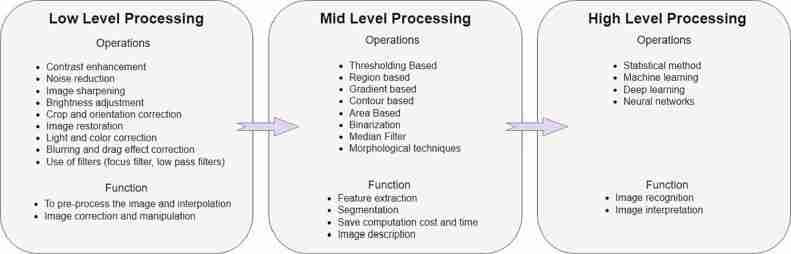
The journey of paddy processing is as intricate as the grains themselves, starting with the vital stage of milling. This process not only extracts the edible rice from the husk, but also promotes quality enhancement through several stages, including dehusking, polishing, and grading. Each step carries its own significance, ensuring that the final product meets the standards required for consumption. While traditional methods have their charm, modern advancements in milling technology have revolutionized how we perceive rice production, addressing efficiency, yield, and the preservation of nutrient content. For instance, modern milling techniques involve the use of automated machinery that minimizes breakage and maximizes output, thereby streamlining the transition from raw paddy to market-ready rice.
Beyond milling, the processing panorama incorporates crucial techniques that further improve the quality of rice. Treatments like parboiling and steaming not only enhance flavor but also increase nutritional value and reduce cooking times. These methods involve soaking the paddy in water to facilitate gelatinization of starches, resulting in a unique texture that many culinary traditions celebrate. Additionally, innovative processes such as fortification have emerged, where essential vitamins and minerals are added to rice to combat nutritional deficiencies in populations that rely heavily on this staple food. Below is a simple table showcasing some of the processing techniques and their benefits:
| Processing Technique | Benefits |
|---|---|
| Milling | Removes husk; improves shelf life |
| Parboiling | Enhances flavor; retains nutrients |
| Fortification | Adds vitamins; combats deficiencies |
| Steaming | Reduces cooking time; improves texture |
Quality Control in Paddy Processing: Ensuring Grain Integrity
The journey of paddy processing is a delicate balance of tradition and technology, where the primary focus is on maintaining the integrity of the grain throughout every stage. From the moment paddy is harvested, it enters a rigorous quality control regime aimed at minimizing damage and contamination. Various methods, including visual inspections, moisture content tests, and truck scale weighing, play a pivotal role in assessing the quality of the grain before and during processing. This attention to detail ensures that only the best grains make it through the milling process, safeguarding the nutritional and culinary value of the final product.
Advanced quality control measures are employed throughout the processing facilities to guarantee that every grain retains its essential qualities. Specialized equipment facilitates careful monitoring and sorting, with aspects like color grading and impurity detection being crucial. Regular laboratory tests are conducted to assess the grain’s taste, aroma, and texture, and a commitment to sustainable practices ensures that the environmental impact is minimized. The following table outlines the key quality control measures in paddy processing:
| Quality Control Measure | Description |
|---|---|
| Visual Inspection | Check for damaged or discolored grains. |
| Moisture Testing | Ensure grains are at optimal moisture levels for storage. |
| Color Grading | Evaluate the appearance of the grains to determine quality. |
| Impurity Detection | Identify and remove foreign materials or contaminants. |
| Taste and Aroma Profiling | Conduct sensory evaluations to maintain flavor standards. |
Sustainable Practices in Paddy Production: A Path Forward for Farmers
Transitioning to sustainable practices is essential for paddy farmers who seek to enhance productivity while protecting the environment. By incorporating agroecological methods, farmers can foster biodiversity, improve soil health, and reduce dependency on chemical fertilizers. A few methods to consider include:
- Crop Rotation: Alternating paddy with legumes or other crops to restore soil nutrients.
- Integrated Pest Management (IPM): Utilizing natural predators and biopesticides to control pests.
- Water Management: Implementing techniques like intermittent flooding to conserve water and minimize methane emissions.
Furthermore, the adoption of technology can propel sustainable rice cultivation forward. Investing in precision agriculture tools allows for better monitoring of soil and water, which leads to efficient resource allocation. As a result, farmers can respond to crop needs more accurately while conserving vital inputs. The benefits of this approach extend beyond the farm, contributing to:
| Benefit | Description |
|---|---|
| Increased Yields | Sustainable practices can lead to higher production rates over time. |
| Environmental Health | Improved ecosystem balance and reduced pollution from agrochemicals. |
| Market Demand | Consumers increasingly prefer sustainably sourced products. |
The Conclusion
As we trace the intricate path from field to bowl, it’s evident that the journey of paddy processing is a remarkable blend of nature’s bounty and human ingenuity. Each grain carries with it stories of hard work, tradition, and innovation, reflecting the deep-rooted connections between farmers, processors, and consumers. This process, though often overlooked, plays a pivotal role in the global food chain, ensuring that each meal is not just sustenance, but a celebration of culture and craftsmanship.
As you savor every bite of rice, remember the journey it has undertaken—from the sun-kissed fields to the meticulous hands that nurtured it to your table. This journey is not merely about nourishment; it’s about understanding the cycles of life, the importance of sustainable practices, and the impact of our choices as consumers. By appreciating the story behind each grain, we cultivate a deeper respect for our food and the people who bring it to us.
So, the next time you pour rice into your pot, take a moment to reflect on the incredible voyage it has made—a journey that connects us all, in the simplest yet most profound of ways.




