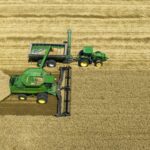
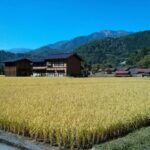
In the heart of agricultural innovation lies a transformative force that seeks to redefine conventional practices: the modern paddy processing unit. As the global demand for rice escalates, driven by burgeoning populations adn evolving dietary preferences, the need for efficiency in grain processing has never been more pronounced. This article delves into the cutting-edge technologies and methodologies that are reshaping how paddy is processed, highlighting advancements that not only streamline operations but also enhance quality and sustainability. From automated sorting systems to eco-friendly milling processes, we explore how these modern units are revolutionizing the landscape of paddy processing, ensuring that farmers and consumers alike benefit from a more efficient and resilient food supply chain. Join us as we unveil the innovations that are paving the way for a new era in rice production.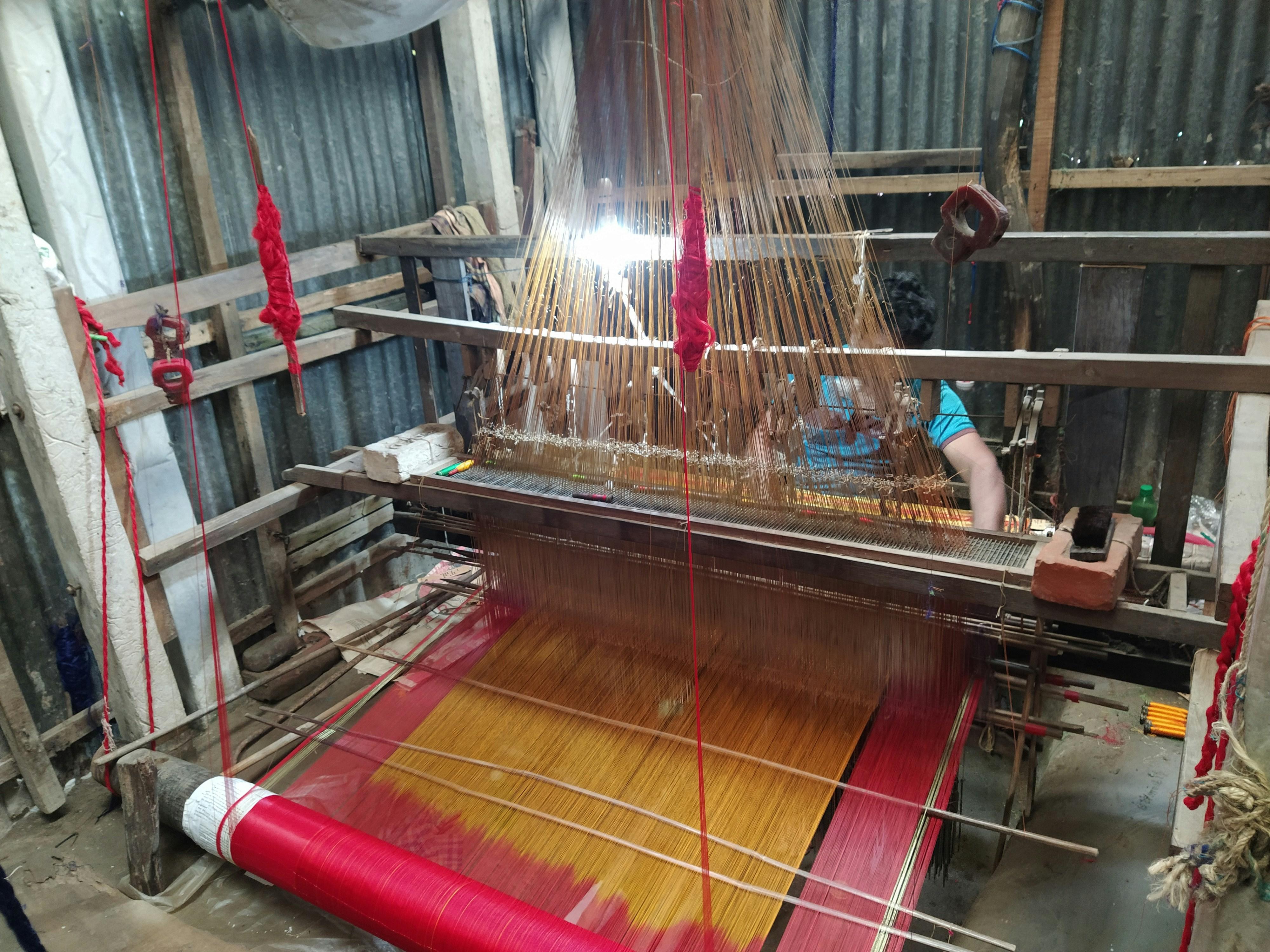
Exploring Innovations in Paddy Processing technology
In the evolving landscape of agricultural technology, the modern paddy processing unit stands at the forefront, transforming the way rice is harvested, milled, and prepared for market. These innovative units incorporate state-of-the-art machinery designed to enhance productivity and minimize waste. By utilizing a range of advanced techniques and systems,farmers and processors can now experience notable benefits:
- Automation: With automated systems,traditional manual processes are streamlined,resulting in faster processing times and reduced labor costs.
- Precision milling: Cutting-edge milling technology ensures consistent grain quality, maximizing yield and improving marketability.
- Waste reduction: New waste management strategies and equipment enable the efficient use of by-products, reducing environmental impact.
- Data analytics: Smart sensors and IoT integration allow real-time monitoring, facilitating informed decision-making and optimizing operational efficiency.
A closer look at the components of these advanced processing units reveals a meticulous design aimed at enhancing user experience and final product quality. The integration of modular machinery means that units can be easily upgraded as technology advances. Here’s a brief overview of key components:
| Component | Function | Benefit |
|---|---|---|
| pre-cleaner | Removes debris and impurities | Improved grain quality |
| husker | Hulls the paddy | Increased milling efficiency |
| Whiter | Polishes the rice | Enhanced market appeal |
| Grading machine | Sorts rice by size | Consistency in product |

Streamlining Operations for Maximum Output
Modern paddy processing units are drastically reshaping the agricultural landscape by optimizing workflows and augmenting productivity. By leveraging cutting-edge technology and innovative management practices, these units have redefined the traditional paradigms of rice processing. Critical improvements include:
- Automation: Streamlined processes reduce human error and enhance speed, from harvesting to packaging.
- Data Analytics: Real-time monitoring and analytics enable precise control over each processing stage.
- Energy Efficiency: Latest machinery employs advanced techniques to minimize energy consumption without sacrificing output.
Furthermore, a well-structured layout in processing units promotes better workflow management. By utilizing vertical space and modular equipment, the design can facilitate uninterrupted flow from one stage to another. Consider the following table showcasing the phase-specific enhancements:
| Phase | Enhancement | benefit |
|---|---|---|
| Harvesting | Automated Combine Harvesters | Reduced labor costs and faster harvesting |
| Drying | Continuous Flow Drying Systems | Uniform moisture content and reduced spoilage |
| Milling | Multi-Stage Milling Units | Higher yield and better quality rice |
Sustainable Practices in Modern Processing Units
As the agricultural landscape evolves, modern processing units are adopting transformative strategies that prioritize sustainability. By integrating renewable energy sources, such as solar and wind power, these facilities strive to reduce their carbon footprint. Enhanced energy efficiency not only minimizes operational costs but also contributes to environmental conservation. Many units are now employing biodegradable materials in packaging,ensuring that waste generated during processing is considerably decreased. Moreover,the use of closed-loop water systems helps in recycling water used in production,enabling farms to conserve this precious resource while maintaining optimal processing levels.
In addition to energy and waste management, the implementation of smart technologies plays a crucial role in sustainable practices. Data analytics systems facilitate precise monitoring of input materials and processing outcomes, leading to reduced waste and improved yield. Moreover,training programs that educate staff on sustainable practices ensure that every level of the processing unit is aligned with eco-friendly goals. A commitment to local sourcing promotes sustainable agriculture in nearby communities,fostering economic growth while minimizing transportation emissions. To visualize the impact of these practices, the following table outlines the benefits of implementing sustainable measures:
| Benefit | Description |
|---|---|
| Reduced Energy Costs | Utilizing renewable sources lowers expenses significantly. |
| Waste Reduction | Biodegradable materials decrease landfill contributions. |
| Water conservation | Closed-loop systems recycle water efficiently. |
| Enhanced Yields | Smart technologies optimize processing mechanisms. |
| Local Economy Support | Sourcing locally helps sustain regional agricultural practices. |
Future Trends and Recommendations for Growth
The future of paddy processing is poised for remarkable transformation, driven by cutting-edge technology and innovative practices. In this evolving landscape, some key trends are expected to shape the industry:
- Automation and AI: The integration of AI algorithms and robotic systems in processing units can significantly boost operational efficiency, reducing labor costs and minimizing human error.
- Sustainability Initiatives: Emphasizing eco-friendly techniques will not only meet regulatory requirements but also attract environmentally conscious consumers.
- Traceability through Blockchain: Implementing blockchain technology ensures openness in the supply chain, allowing consumers to track the journey of their rice from field to table.
- Data-Driven Decision making: Utilizing big data analytics will aid in optimizing processes, improving yields, and forecasting market trends.
To capitalize on these trends, paddy processing units should consider implementing strategic recommendations. A roadmap for growth includes:
| Suggestion | Description |
|---|---|
| invest in Smart machinery | Equip units with machines that incorporate IoT capabilities for real-time monitoring and adjustments. |
| Enhance Workforce Training | Regularly upskill staff in utilizing new technologies and adapting to sustainable practices. |
| Networking with Innovators | Collaborate with technology startups to stay ahead of the competition in implementing novel solutions. |
By aligning operations with these recommendations, paddy processing entities can not only ensure their longevity but also thrive in a rapidly evolving marketplace.
Closing Remarks
the unveiling of the modern paddy processing unit marks a significant leap forward in agricultural technology, harmonizing innovation with tradition. As we have explored, this advanced system not only enhances the efficiency of production but also ensures higher quality output, ultimately benefiting farmers and consumers alike. With its streamlined processes and eco-friendly mechanisms, the modern paddy processing unit stands as a testament to the power of engineering in driving sustainability in agriculture. As we look to the future, it is clear that embracing such advancements is crucial for meeting the growing demands of our ever-evolving food landscape.by marrying tradition with modernity, we pave the way for a more productive and sustainable agricultural industry, one that can feed the world while preserving the environment for generations to come.