
In the heart of rural landscapes, where fields of golden grains sway gently in the breeze, a silent revolution is taking root. Mini rice mills, once a mere vision, are now transforming the agricultural landscape, offering farmers an unprecedented opportunity to unlock their potential. These compact powerhouses are more than just machinery; they are catalysts for change, bringing efficiency, empowerment, and economic growth to the very communities that feed the world. As we delve into the rise of mini rice mills, we uncover the stories of farmers who are reclaiming control over their harvests, reducing post-harvest losses, and paving the way for sustainable practices. Join us on this journey to explore how these innovative solutions are redefining the farming narrative and creating a future where every grain of rice counts.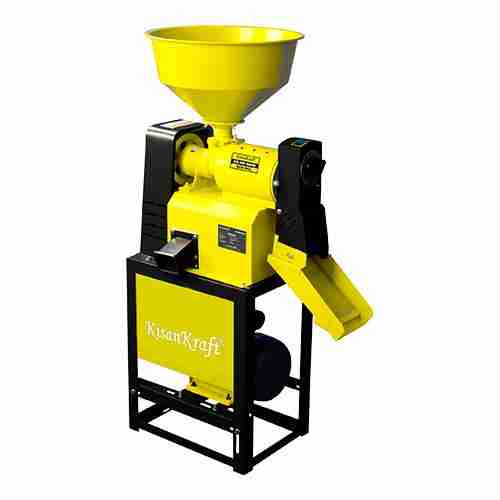
Navigating the Landscape of Mini Rice Mills and Their Impact on Local Farming
The advent of mini rice mills marks a transformative shift in rural agriculture, offering advantages that extend beyond mere production efficiency. By enabling farmers to process their rice independently, these small-scale mills empower local producers with greater control over their output. This autonomy allows them to choose the right milling techniques that enhance the quality and marketability of their product. Moreover, the reduction in reliance on commercial milling services not only cuts down costs but also fosters a stronger connection between farmers and their produce, cultivating a sense of pride in their work.
Furthermore, the proliferation of mini rice mills fosters economic resilience in farming communities. The availability of affordable milling solutions means that even smallholders can benefit from improved profit margins. For instance, farmers can save on transportation costs and receive immediate payment for their freshly milled rice. Consider the following benefits of mini rice mills:
- Improved Accessibility: Close proximity reduces downtime for farming families.
- Job Creation: Local mills can offer employment opportunities within the community.
- Product Diversification: Opportunity for farmers to create by-products such as rice bran oil.
| Aspect | Traditional Mills | Mini Rice Mills |
|---|---|---|
| Cost Efficiency | Higher transportation and processing charges | Lower costs through local processing |
| Quality Control | Less oversight over milling processes | Farmers tailor processing to enhance quality |
| Community Impact | Limited local engagement | Strengthened community ties and employment |

Enhancing Economic Viability through Affordable Processing Solutions
The introduction of mini rice mills is revolutionizing the agricultural landscape, providing affordable processing solutions that empower farmers to transform their harvests into profit. By minimizing reliance on larger, often inaccessible milling facilities, these compact units enable farmers to process their crops right on-site. This local approach not only reduces transportation costs but also significantly improves turnaround times, ensuring that farmers can swiftly convert their rice into finished products. The result is a more immediate return on investment and better cash flow management, which are crucial for the sustainability of smallholder farms.
Moreover, these mills foster community development and enhance economic viability by creating opportunities for local employment and entrepreneurship. Farmers can band together to establish cooperative mills, sharing resources and expertise to maximize efficiency. In addition, the ability to offer processed rice locally boosts market access, allowing farmers to directly cater to consumer preferences. This synergy paves the way for a more resilient agricultural sector, ensuring that profits circulate within the community rather than slipping away to distant processors.
| Benefits of Mini Rice Mills | Impact on Farmers |
|---|---|
| Cost Reduction | Lower processing and transport expenses |
| Increased Efficiency | Faster processing times, leading to quicker sales |
| Local Empowerment | Creation of local jobs and entrepreneurial ventures |
| Market Access | Direct sales to consumers and reduced middlemen |

Empowering Farmers: Skills Development and Community Engagement
As mini rice mills emerge as a transformative force in rural agriculture, they not only modernize the processing of rice but also foster vital skills development among farmers. By providing access to training programs, farmers can learn essential technical skills that enable them to operate these mills efficiently. Workshops often cover various topics, including:
- Machine Operation: Hands-on sessions that teach farmers how to handle and maintain milling equipment.
- Quality Control: Techniques to ensure the production of high-quality rice, enhancing marketability.
- Business Management: Guidance on managing finances, marketing, and logistics to maximize profitability.
In addition to skill enhancement, mini rice mills catalyze community engagement and collaboration. Farmers are encouraged to form cooperatives, pooling resources and sharing knowledge to strengthen their collective voice in the marketplace. Such initiatives not only help to create a sense of solidarity but also lay the groundwork for sustainable agricultural practices. The table below highlights some community-driven benefits of min rice mills:
| Benefit | Description |
|---|---|
| Increased Income | Direct access to milling allows for better pricing of produce. |
| Shared Resources | Cooperatives lead to reduced operating costs and improved efficiencies. |
| Knowledge Exchange | Farmers learn from each other, sharing best practices and innovations. |
Sustainable Practices: How Mini Mills Contribute to Environmental Stewardship
Mini rice mills showcase an innovative approach to agricultural processing that aligns closely with the principles of environmental sustainability. By decentralizing rice milling operations, these mini mills help reduce the carbon footprint associated with transporting raw paddy to larger, traditional mills. Instead, farmers can process their crops on-site, utilizing energy-efficient technologies that minimize resource consumption. The smaller scale of these mills often means less waste production compared to their larger counterparts, as they employ techniques designed to maximize output while minimizing losses.
The potential for biomass utilization in mini rice mills further enhances their role in promoting sustainable agricultural practices. By-products such as rice husk and bran can be transformed into energy, providing a renewable source of power for milling operations or even for cooking and heating in local communities. This practice not only optimizes the use of all parts of the rice plant but also empowers farmers economically and environmentally. The adoption of mini rice mills contributes to a circular economy by recycling agricultural waste and reducing reliance on fossil fuels.
| Benefits of Mini Rice Mills | Environmental Impact |
|---|---|
| On-site processing | Reduces transportation emissions |
| Energy efficiency | Lower resource consumption |
| Waste minimization | Less overall waste generated |
| Biomass conversion | Creates renewable energy sources |
To Wrap It Up
the rise of mini rice mills reflects a significant shift in the agricultural landscape, offering farmers a pathway to not only maximize their yields but also to gain greater control over their production processes. By harnessing the power of this innovative technology, farmers are able to transform the way they operate, fostering greater independence while unlocking the potential of their land. As we move forward, these compact mills not only promise economic benefits but also serve as a testament to the resilience and adaptability of the farming community. With continued support and investment in such initiatives, the future of agriculture looks promising, empowering farmers to cultivate not just crops, but also possibilities. The journey of unlocking potential is just beginning—may it inspire many more to join in this flourishing endeavor.




