
In a world where efficiency and sustainability have become cornerstones of agricultural innovation, mini rice mills emerge as indispensable tools, reshaping the landscape of small-scale farming. “Unlocking Potential: The Power of Combine Mini Rice Mills” delves into this transformative technology that promises to revolutionize rice production for farmers across the globe. These compact and versatile machines not only streamline the milling process but also empower local communities by enhancing productivity, minimizing waste, and promoting self-sufficiency. As we explore the myriad benefits and applications of combine mini rice mills, we unlock a narrative of growth, resilience, and opportunity that transcends the boundaries of traditional agriculture. Join us on this journey to discover how these small yet mighty machines are fostering a brighter future for the world’s rice farmers, one grain at a time.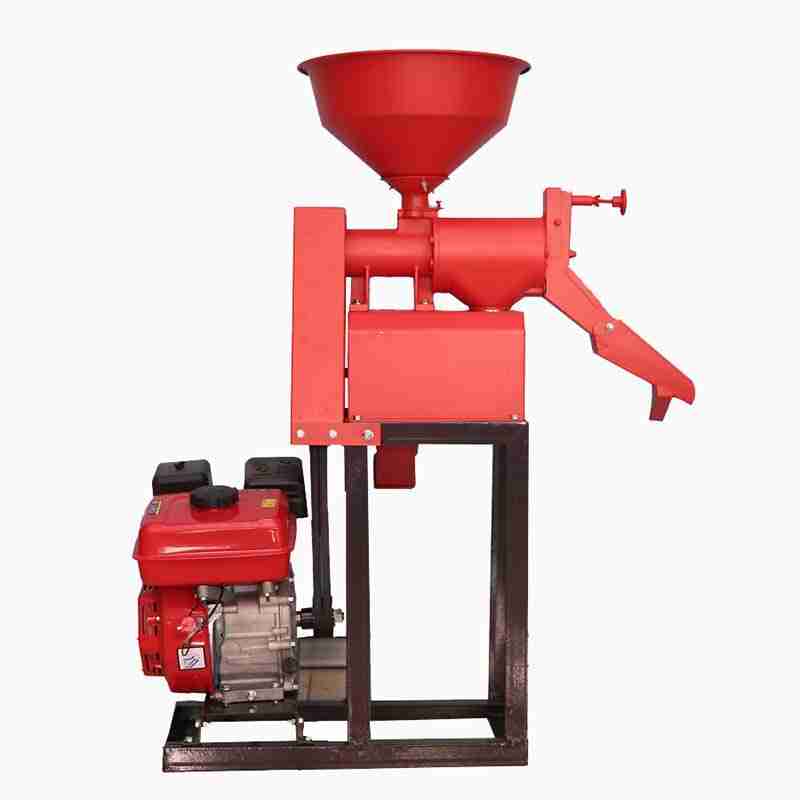
Exploring the Benefits of Mini Rice Mills for Small-Scale Farmers
Mini rice mills serve as a game-changer for small-scale farmers, bridging the gap between traditional farming practices and modern agricultural technology. These compact units offer farmers a chance to transform their produce quickly and efficiently, reducing dependence on commercial milling services. Some notable advantages include:
- Cost-Effectiveness: By processing their own rice, farmers save on milling fees and transportation costs.
- Quality Control: Farmers can ensure the quality of their rice, maintaining freshness and nutritional value.
- Timely Processing: Mini rice mills allow immediate processing post-harvest, minimizing spoilage and maximizing profit margins.
The versatility of mini rice mills also promotes local economic development, empowering farmers by giving them the tools needed to keep more profits within their communities. Moreover, these mills can adapt to various grain types, making them useful for diverse farming landscapes. Let’s consider their impact through the following comparison table:
| Feature | mini rice mill | Commercial Milling |
|---|---|---|
| Setup Cost | Low | High |
| Processing Time | Fast | Variable |
| Control Over Quality | High | Low |
| Community Impact | Positive | Limited |
Through the efficient operation of mini rice mills, small-scale farmers not only improve their livelihoods, but also foster resilience in their agricultural practices. Enhanced processing capabilities allow them to create value-added products, opening new market opportunities that can lead to a substantial increase in their overall income. The integration of these modern solutions into traditional farming can unlock potential previously hampered by larger market dynamics.

Innovative Technology: Enhancing Efficiency in Rice Production
The rise of mini rice mills has revolutionized traditional rice production methods, giving farmers access to state-of-the-art technology that increases efficiency and reduces wastage. In contrast to larger milling setups, mini rice mills offer a compact design that can easily fit into smaller farms, allowing farmers to process their harvest right where it is cultivated. These machines require a minimal investment and are designed to operate with low power consumption, making them an economically viable option even for smallholder farmers. The ability to mill rice on-site not only cuts down transportation costs but also provides fresh, high-quality rice that meets market demands.
Furthermore, modern mini rice mills are equipped with advanced features such as automatic husking, grading, and polishing, which ensures a higher degree of precision in the milling process. By integrating technology such as IoT and AI, farmers can monitor performance in real-time, predict maintenance needs, and optimize milling efficiency. Here’s a glimpse of some of the benefits these innovative machines bring:
| Benefits | Description |
|---|---|
| Cost-Effective | Reduced operational costs due to lower energy requirements. |
| Quality Output | Produces high-quality milled rice that fetches better market prices. |
| Accessibility | Designed for easy use in small farms, enhancing local processing capabilities. |

Sustainable Practices: Minimizing Waste and Maximizing Yield
In the evolving landscape of agriculture, mini rice mills stand out as a beacon of sustainability, helping farmers minimize waste while maximizing their yields. By employing efficient milling processes, these compact machines significantly reduce broken rice, a common byproduct during traditional milling. This enhancement not only ensures that farmers retain more of their harvest but also decreases the environmental impact associated with waste disposal. The compact size of these mills further means that they utilize less energy and water compared to their larger counterparts, aligning with eco-friendly practices while keeping operational costs low.
Moreover, the integration of innovative technologies into mini rice mills paves the way for improved quality control and resource management. Automated systems allow for precise adjustments during milling, ensuring optimal processing without unnecessary loss of product. Additionally, many of these mills are designed with recycling systems that convert byproducts—such as husk and bran—into valuable resources, contributing to a circular economy. This approach not only enhances the overall productivity of rice cultivation but also fosters a sustainable agricultural ecosystem, showcasing how technology and responsible practices can harmoniously coexist.
Building Community: The Role of Mini Rice Mills in Local Economies
In rural areas where agriculture forms the backbone of local economies, the introduction of mini rice mills represents a transformative shift. These small-scale milling operations serve not only as a source of employment but also as a catalyst for entrepreneurial ventures. With the ability to process local paddy into rice efficiently and economically, mini rice mills empower farmers by helping them retain a larger share of profits. Rather than selling raw paddy at low prices, farmers can mill their produce and sell the finished goods directly in local markets, enhancing their profitability and ensuring food security in their communities. This empowerment nurtures a cycle of growth, where increased income leads to better standards of living and community investments.
Moreover, mini rice mills foster connections within the local supply chain, bridging the gap between producers and consumers. When these mills operate, they create a network that supports various stakeholders, including farmers, local traders, and consumers. This interconnectedness brings about numerous advantages, such as:
- Job Creation: Providing employment opportunities for skilled labor in milling operations.
- Enhanced Quality: Offering freshly milled rice, which promotes food quality and safety.
- Local Economies: Stimulating local markets by retaining revenue within the community.
- Training Programs: Hosting workshops to educate farmers on best practices for cultivation and milling.
Through these initiatives, communities experience not only economic upliftment but also greater social cohesion, as the shared goals of better production and consumption foster a sense of unity among residents. By unlocking the potential of these mini rice mills, local economies can thrive and become self-sustaining.
Future Outlook
As we conclude our exploration of “Unlocking Potential: The Power of Combine Mini Rice Mills,” it’s clear that these innovative machines stand at the intersection of tradition and technology, transforming the landscape of rice production. By empowering small-scale farmers and entrepreneurs, they not only increase efficiency and yield but also contribute to local economies and communities. The potential of combine mini rice mills goes beyond mere machinery; it embodies a vision for sustainable agricultural practices and food security in an ever-evolving world.
As we look to the future, it’s vital to embrace innovations like these, encouraging their adoption and integration into farming practices. By doing so, we not only honor the rich heritage of rice cultivation but also pave the way for sustainable development. The journey of unlocking potential is ongoing, and with the right tools and support, the possibilities are endless. Let us continue to champion advancements that uplift and empower all who work the land, nurturing a brighter future for agriculture everywhere.




