
In an era where efficiency and sustainability are paramount, the agricultural industry is witnessing a transformative shift that promises to revolutionize rice milling. Enter the mini rice mill—a compact, agile, and innovative solution that is not only optimizing the processing of one of the world’s staple foods but also empowering small-scale farmers and rural communities. As the global demand for rice surges and the challenges of modernization loom large, these miniature milling machines are emerging as vital tools that unlock efficiency and enhance productivity. This article delves into the ascent of mini rice mills, exploring their impact on production processes, economic viability, and the lives they touch, while illuminating the path toward a more sustainable future in rice processing.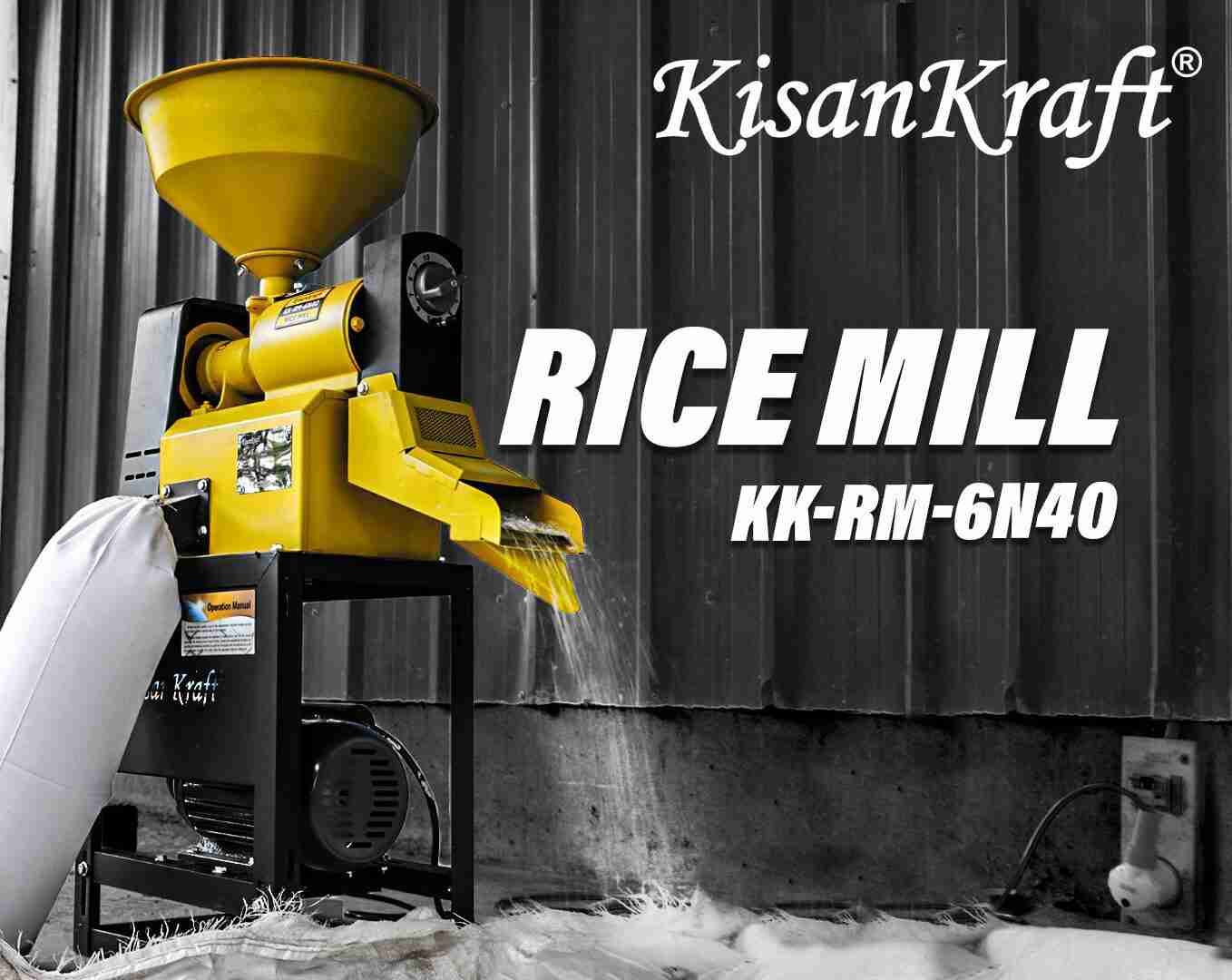
Exploring the Advantages of Mini Rice Mills in Modern Agriculture
In recent years, the agricultural landscape has witnessed a significant transformation with the advent of mini rice mills. These compact machines have revolutionized rice processing, making it more accessible and efficient for small-scale farmers. One of the key advantages is their affordability, allowing farmers with limited budgets to invest in their rice production capabilities. This not only enhances their productivity but also leads to improved quality of the final product, elevating it beyond mere sustenance to a potential cash crop. Additionally, mini rice mills boast a reduced footprint, enabling operations even in remote areas where large mills would be impractical.
Moreover, the technological innovation embedded in mini rice mills opens up opportunities for sustainable practices in agriculture. These mills are designed to consume less energy and produce minimal waste, contributing to an eco-friendlier approach to rice production. They provide farmers with the ability to process their rice right on their farms, which significantly diminishes transportation costs and time delays. The result is a system that champions local economies, fostering greater self-sufficiency among farmers. As a testament to their growing significance, here’s a quick comparison of traditional vs. mini rice mills:
| Feature | Traditional Rice Mills | Mini Rice Mills |
|---|---|---|
| Cost | High | Low |
| Size | Large footprint | Compact |
| Energy Consumption | High | Low |
| Waste Production | High | Minimized |

Technological Innovations Driving the mini rice mill Revolution
Recent advancements in technology have paved the way for the mini rice mill revolution, transforming traditional farming practices into efficient and streamlined operations. Key innovations such as automated milling systems, energy-efficient motors, and digital monitoring systems have become game-changers for small-scale farmers. These advancements reduce the manual labor required, enhance the quality of output, and increase overall productivity. The integration of such technologies not only ensures that rice is milled with precision but also allows farmers to maintain a competitive edge in the market.
Moreover, the implementation of AI and IoT in mini rice mills has further accelerated the trend towards efficiency. With the use of smart sensors, operators can now monitor moisture levels and grain quality in real-time, enabling better decision-making that maximizes yield. Additionally, the introduction of mobile applications for operational management provides users with easy access to data and analytics, facilitating improvements in workflow and resource allocation. This convergence of technology has not only revolutionized how rice is processed but has also opened the door to sustainable practices that support the livelihoods of rural communities.

Sustainable Practices and Automation in Rice Milling
The evolution of mini rice mills has brought about a significant shift towards sustainable practices that not only enhance efficiency but also prioritize environmental stewardship. By adopting innovative technologies and automation, these mills reduce energy consumption and waste generation during the milling process. With features such as solar-powered systems and energy-efficient machinery, mini rice mills are designed to minimize their carbon footprint while maximizing output. Furthermore, the implementation of automated cleaning and processing systems ensures that water usage is optimized, leading to smarter resource management that benefits both mill operators and the environment.
To illustrate the impact of these advancements, let’s examine a brief comparison of traditional rice milling versus mini rice milling in terms of sustainability:
| Aspect | Traditional Mills | Mini Rice Mills |
|---|---|---|
| Energy Consumption | High | Low |
| Water Usage | Excessive | Optimized |
| Waste Generation | High | Minimal |
| Labor Intensity | High | Reduced |
The integration of automated systems in mini rice milling not only enhances operational efficiency but also promotes sustainability through prudent resource use. As these mills continue to evolve, their commitment to eco-friendly practices plays a crucial role in securing food supply chains while preserving the planet’s resources for future generations.
Strategies for Success: Implementing Mini Rice Mills in Local Communities
To successfully implement mini rice mills in local communities, it is essential to adopt a holistic approach that fosters local engagement and ownership. Community involvement is key; stakeholders such as farmers, local businesses, and government entities must be actively engaged throughout the development process. By forming cooperatives, local farmers can pool resources, share risks, and benefit from economies of scale. This cooperation not only lowers costs but also encourages a greater sense of community, which is vital for sustainable operations. Additionally, providing training programs ensures that community members are equipped with the necessary skills to manage the mills effectively, from operations to maintenance.
Furthermore, creating strategic partnerships with agricultural experts and local NGOs can enhance the project’s success. These entities can offer technical assistance and connect communities with best practices from around the globe. Leveraging microfinance options can also empower farmers to invest in the technology they need without facing immediate financial strain. The careful planning of site locations is crucial, with considerations such as proximity to rice fields and market access playing a pivotal role. Below is a simple overview of key strategies that can contribute to a successful mini rice mill implementation:
| Strategy | Description |
|---|---|
| Community Engagement | Involve local farmers, businesses, and organizations in the decision-making process. |
| Training Programs | Provide education on mill operations and maintenance to community members. |
| Strategic Partnerships | Collaborate with NGOs and experts for technical support and best practices. |
| Microfinance Options | Facilitate access to funding to help farmers invest in rice milling technology. |
| Site Selection | Choose locations close to rice production and key markets for efficiency. |
Wrapping Up
As we wrap up our exploration into the rise of mini rice mills, it becomes clear that these compact solutions are more than just a trend; they symbolize a shift towards a more efficient and sustainable approach to rice milling. With their ability to preserve quality, reduce waste, and empower local farmers, mini rice mills are not only transforming agrarian practices but also invigorating rural economies. As we move forward, the potential of these innovative machines to adapt to the evolving demands of the market remains a beacon of hope for countless communities around the globe. The future of rice milling appears brighter, ushered in by the simplicity and effectiveness that mini rice mills offer. In unlocking efficiency, we may have also unlocked a pathway to greater agricultural prosperity, one grain at a time.




