
In the evolving landscape of agriculture and food production, efficiency has become a paramount concern for farmers and food processors alike. As global demands for high-quality, sustainable grains soar, innovative solutions are emerging to streamline operations and maximize output. Among these, mini combined rice mills are gaining prominence as transformative tools that fuse traditional craftsmanship with modern technology. These compact powerhouses not only optimize the milling process but also enhance accessibility for smallholder farmers, bridging the gap between productivity and sustainability. In this article, we delve into the intricacies of mini combined rice mills, exploring their design, benefits, and the pivotal role they play in unlocking new levels of efficiency in rice processing. Join us on this journey to understand how these remarkable machines are reshaping the future of rice milling and contributing to the broader narrative of agricultural advancement.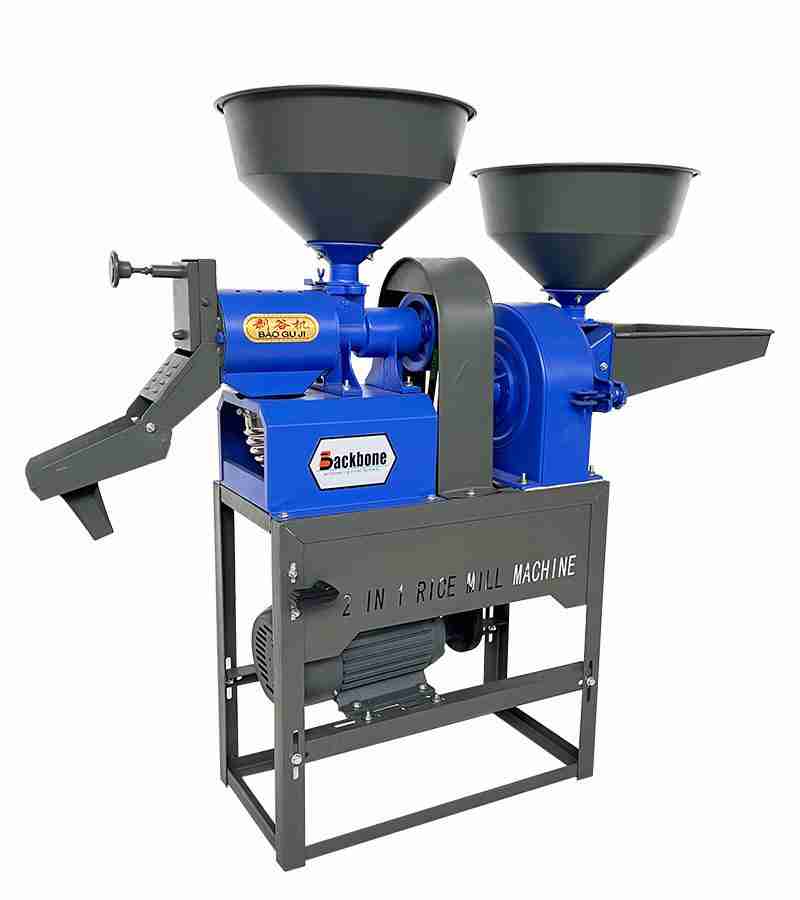
Understanding Mini Combined Rice Mills and Their Impact on Rural Economies
The introduction of mini combined rice mills has revolutionized the processing of rice in rural areas, empowering local farmers and small-scale entrepreneurs. These compact mills provide a comprehensive solution by combining multiple processing stages into a single machine, increasing efficiency while reducing labor costs. Key advantages include:
- Cost-effectiveness: Lower initial investment compared to traditional milling systems.
- Simplicity: User-friendly operation allows even those with minimal training to process rice effectively.
- Local empowerment: Families in rural areas can start their own milling businesses, leading to job creation and self-sufficiency.
Furthermore, the impact of these mills extends beyond mere economic benefits. They contribute to better post-harvest handling and storage of rice, ensuring that farmers get a fair price for their produce. By minimizing losses during processing, these mills allow communities to maximize their agricultural potential, resulting in sustainable growth. Consider the following table that outlines the three critical benefits:
| Benefit | Description |
|---|---|
| Improved Efficiency | Combines milling and hulling, reducing manual labor and time. |
| Increased Profits | Higher quality rice leads to better market prices for farmers. |
| Rural Development | Stimulates local economies through job creation and entrepreneurship. |

Maximizing Productivity: Key Features of Mini Combined Rice Mills
Mini combined rice mills are revolutionizing the way small-scale farmers and entrepreneurs approach rice processing, ensuring that efficiency is at the forefront of production. These innovative machines are designed to streamline the workflow from paddy to polished rice, significantly reducing the time and labor traditionally required. With features such as integrated hulling and milling systems, noise reduction technologies, and energy-efficient motors, mini combined rice mills are redefining what it means to be productive in the agricultural sector.
One of the standout aspects of these mills is their compact design which allows for easier integration in smaller spaces without compromising on output. Users benefit from user-friendly interfaces, minimal maintenance requirements, and high processing capabilities, making them accessible for various scales of operations. Here are some essential features that contribute to their effectiveness:
- Multi-functional Operation: Combines hulling, polishing, and grading in one platform.
- Energy Efficiency: Utilizes less power while maximizing throughput.
- Quality Control: Ensures high-quality end products with reduced broken grain percentages.
- Portability: Designed for easy relocation, ideal for farmers with changing needs.
| Feature | Benefits |
|---|---|
| Compact Size | Fits into small areas, making it ideal for local businesses. |
| Automation | Reduces manual effort, allowing for faster processing. |
| Durability | Built with high-quality materials to last longer under tough conditions. |
| Easy Maintenance | Designed for quick servicing and part replacements, minimizing downtime. |
Sustainable Practices: Reducing Waste and Improving Resource Management
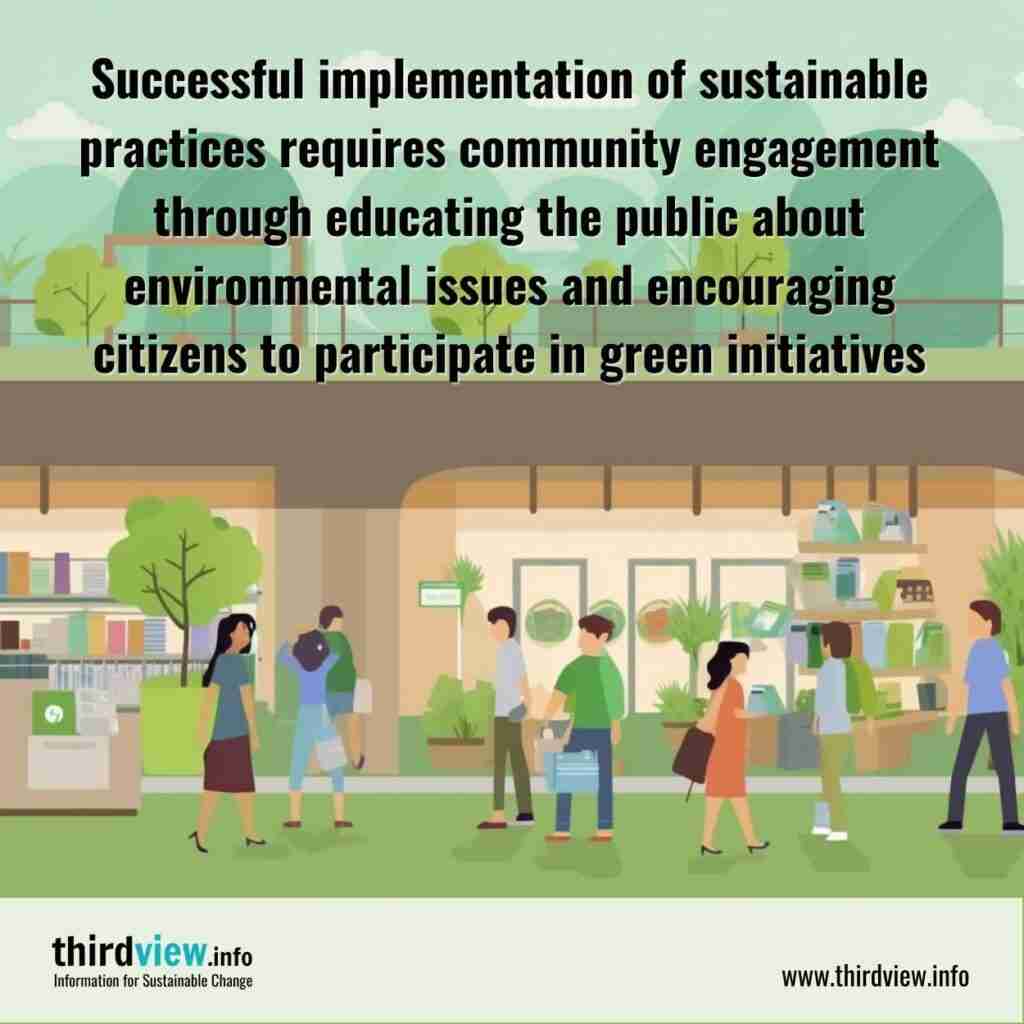
Embracing sustainable practices in agriculture not only enhances productivity but also minimizes environmental impact. One of the remarkable advancements in this realm is the mini combined rice mill, which stands as a beacon of efficiency. These compact machines are designed to streamline the processing of rice, significantly reducing waste during milling. By integrating husking, milling, and polishing processes, these mills optimize resource management. The advantages of utilizing mini combined rice mills include:
- Reduction of Rice Waste: Less residual byproduct after milling.
- Energy Efficiency: Consumes less power compared to traditional mills.
- Minimized Water Usage: Lowers water requirements during processing.
Furthermore, mini combined rice mills contribute to the circular economy by encouraging local farmers to process their own grains. This not only ensures freshness but also empowers communities to take charge of their resources. The scale and size of these mills allow for easy transportation, reducing the carbon footprint associated with transporting harvested grains to larger facilities. In addition, local processing can lead to:
| Benefit | Description |
|---|---|
| Cost Savings | Reduces transportation and operational costs for farmers. |
| Fresh Produce | Ensures freshly milled rice is available for local markets. |
| Job Creation | Promotes local employment in processing and distribution. |
Investing in Innovation: Recommendations for Adopting Mini Combined Rice Mills
To fully harness the potential of mini combined rice mills, it’s crucial to approach the transition strategically. Start by conducting an in-depth market analysis to gauge the demand within your region. This can include surveys from local farmers and agricultural cooperatives to assess their needs and expectations. Furthermore, establishing partnerships with technology providers will not only streamline the adoption process but also ensure that you have access to ongoing support and training. Developing a clear business plan that outlines your investment, expected returns, and operational strategies can enhance stakeholder confidence and secure necessary funding.
Implementing mini combined rice mills necessitates a sound operational framework. Prioritize the training of your staff on the new machinery to foster operational efficiency and mitigate any technical challenges that may arise. Regular maintenance schedules should also be established to minimize downtime and maintain productivity. Consider outsourcing some logistical operations to local transport services, improving the overall supply chain efficiency. Here’s a simple comparison table that outlines key advantages of adopting mini combined rice mills:
| Feature | Benefit |
|---|---|
| Compact Design | Requires less space, ideal for small-scale operations |
| Energy Efficiency | Reduced power consumption compared to traditional mills |
| Multi-Functionality | Processes multiple stages of rice milling in one machine |
| Cost-Effectiveness | Lower initial investment and operational costs |
In Conclusion
the rise of mini combined rice mills marks a significant stride towards enhancing agricultural efficiency and sustainability. By harnessing the power of modern technology in a compact design, these mills not only streamline the processing of rice but also empower small-scale farmers to maximize their output and minimize waste. As we venture further into an era where innovation meets tradition, the adoption of mini combined rice mills could very well be the key to unlocking the full potential of rice production.
As we reflect on the transformative impact of these mills, it becomes evident that their integration into rural economies could foster greater self-sufficiency and economic resilience. The journey towards a more efficient agricultural landscape is just beginning, and mini combined rice mills stand at the forefront, ready to redefine how we approach food production in a rapidly changing world. By investing in this technology, we not only nurture the livelihoods of farmers today but also sow the seeds for a more sustainable future.




