
In a world where the demand for sustainable practices and efficient production methods is ever-increasing, the agricultural sector continually seeks innovative solutions to enhance productivity. Among these solutions, the integration of technology has emerged as a vital force, reshaping traditional processes into streamlined operations. One such advancement is the combination of mini rice mills, a compelling approach that unlocks new levels of efficiency in the rice milling industry. By merging these compact, versatile machines, farmers and mill operators can not only optimize their production but also reduce waste, save time, and improve overall quality. This article delves into the myriad benefits of combining mini rice mills, exploring how this strategy can transform rice production into a more effective and sustainable practice while meeting the needs of a growing global population. Join us as we unpack the potential of these small yet mighty machines and their role in redefining agricultural efficiency.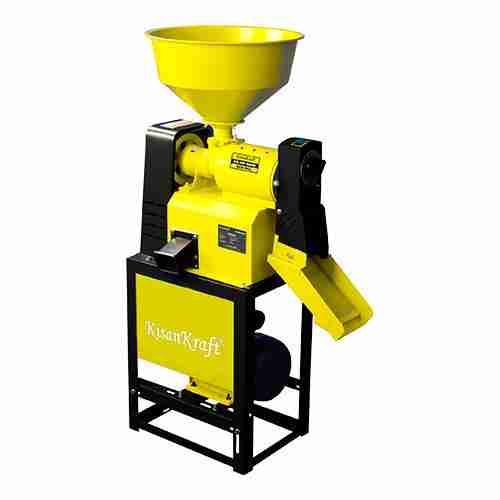
Exploring the Synergy of Mini Rice Mills for Enhanced Productivity
In today’s competitive agricultural landscape, the integration of multiple mini rice mills has emerged as a transformative solution for optimizing production processes. By leveraging the combined capabilities of diverse mill technologies, farmers can achieve significant improvements in efficiency, output quality, and machine durability. When mini rice mills operate in synergy, they can effectively divide the workload, allowing for simultaneous processing of rice at various stages. This leads to less downtime and faster turnaround times, which are crucial for meeting market demands.
The advantages of a synergistic approach extend beyond mere productivity. By implementing a network of mini rice mills, farmers can benefit from enhanced flexibility and scalability. This system allows for the adjustment of milling operations based on crop availability and market trends. Some key benefits include:
- Reduced Operational Costs: Shared resources and labor reduce overhead expenses.
- Improved Product Quality: Specialized mills can cater to different rice types, ensuring consistency.
- Increased Crop Value: Efficient processing boosts the marketability of milled rice.
The following table summarizes the primary advantages of combining mini rice mills:
| Advantage | Description |
|---|---|
| Synergy in Operations | Multiple mills work in tandem to enhance throughput. |
| Resource Optimization | Cost-effective utilization of equipment and labor. |
| Market Responsiveness | Ability to adapt quickly to demand fluctuations. |

The Economic Advantages of Integrated Mini Rice Milling Operations
Integrating mini rice milling operations offers a plethora of economic benefits that significantly enhance the viability and sustainability of rice production. One of the most compelling advantages is the reduction in operational costs. By streamlining milling processes, producers can achieve economies of scale, where the cost per unit of output decreases as production increases. This efficiency can come from shared resources such as labor, machinery, and maintenance, ultimately translating into lower prices for consumers. Additionally, the synergy created by combining operations allows for better inventory management, minimizing waste through optimized supply chain practices, and ensuring a more consistent quality of the finished product.
The financial impact extends to increased profit margins, which are pivotal in a competitive market. When mini mills operate collaboratively, they often access bulk purchasing agreements for raw materials, reducing costs even further. Furthermore, integrated systems allow for value-added services such as packaging and branding enhancements, which can attract a broader customer base. To provide a clearer picture of potential gains, consider the following table illustrating the comparative savings and benefits associated with integrated vs. independent milling operations:
| Aspect | Integrated Operations | Independent Operations |
|---|---|---|
| Operational Costs | 20% Savings | Standard Rates |
| Profit Margins | Increased by 15% | Stable |
| Market Reach | Broader Access | Niche Markets |
This combination of advantages not only empowers local farmers and millers but also nurtures community resilience through shared economic growth.
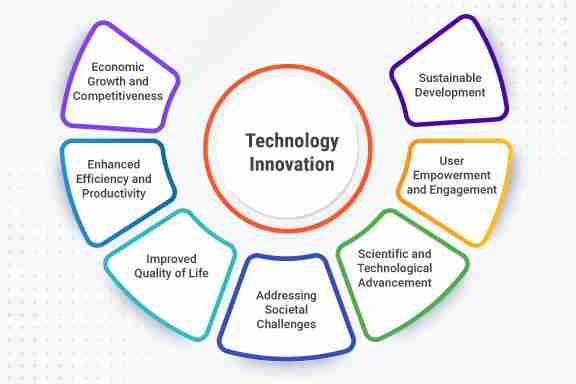
Technological Innovations Driving mini rice mill Collaboration
Emerging technologies are transforming the landscape of mini rice mill collaboration, enabling farmers and millers to optimize production and streamline operations. Innovations such as IoT (Internet of Things) devices, which provide real-time monitoring of milling processes, allow producers to maintain high levels of quality and efficiency. Additionally, the integration of artificial intelligence in predicting market trends helps businesses make informed decisions about supply chain management and pricing strategies. As stakeholders come together, they can leverage these tools to create a more cohesive and competitive farming community.
Moreover, cloud-based platforms facilitate seamless communication and data sharing among various participants in the rice value chain. This enhances collaboration by allowing for instant access to critical information such as inventory levels and production schedules. To illustrate the potential benefits of these technological advancements in collaboration, consider the following table outlining key features and advantages:
| Feature | Advantage |
|---|---|
| IoT Devices | Real-time monitoring for improved quality control |
| AI Prediction Tools | Enhanced decision-making capabilities |
| Cloud-Platforms | Streamlined communication and efficient data sharing |
These innovations not only improve individual operations but also foster a collective growth environment, wherein small scale enterprises can work together for better market reach. By harnessing these technological advancements, mini rice mill collaborations can significantly increase their productivity, ultimately benefiting local economies and communities.
Sustainable Practices in Combined Mini Rice Milling: A Path to Resource Efficiency
Implementing sustainable practices in combined mini rice milling operations offers a significant opportunity to enhance resource efficiency while minimizing environmental impact. By streamlining various stages of rice processing, mills can effectively reduce waste and conserve resources. Some notable strategies include:
- Utilizing by-products: The husk, bran, and other residuals can be transformed into valuable by-products such as animal feed or bioenergy.
- Energy-efficient machinery: Employing advanced, energy-efficient milling equipment can drastically lower electricity consumption, reducing overall operational costs.
- Water conservation: Adopting techniques that reduce water usage, such as closed-loop systems, ensures minimal waste and promotes sustainability.
Additionally, the interconnection of processes in combined mini rice mills allows for an optimized workflow that cuts down on time and resources. This integration not only fosters operational efficiency but also enhances product quality. Here’s a quick reference table highlighting the key benefits:
| Benefit | Description |
|---|---|
| Reduced Waste | Minimizing production waste through resource repurposing. |
| Lower Costs | Decreased energy consumption leading to reduced operational expenses. |
| Enhanced Quality | Integrated processes yield higher quality rice products. |
Closing Remarks
As we draw the curtain on our exploration of mini rice mills and the efficiencies they unlock, it’s clear that innovation does not exist in isolation. The strategic combination of these compact powerhouses not only enhances productivity but also promotes a sustainable approach to rice processing. By harnessing their collective capabilities, we pave the way for a future where resources are used wisely, waste is minimized, and farmers can thrive in an ever-evolving agricultural landscape.
In a world increasingly driven by the need for efficiency and sustainability, the integration of mini rice mills stands as a testament to the power of collaboration and forward-thinking. As we continue to innovate and refine our agricultural practices, let us remember that true progress lies not just in technology, but in the symbiotic relationships we foster within our industries. After all, when we join forces to unlock potential, we don’t just cultivate crops—we cultivate a promising future.




