
In the kaleidoscopic world of agriculture, where tradition meets technology, a quiet revolution is brewing in rice production. As the backbone of sustenance for billions, rice farming has long relied on labor-intensive methods that eat into both time and resources. Enter mini rice milling machines—compact innovations that promise not just to streamline the process, but to redefine efficiency. With their ability to transform harvested grain into market-ready produce with minimal fuss, these machines are gaining traction among small-scale farmers and entrepreneurs alike. This article delves deep into the fascinating world of mini rice milling machines, exploring their design, functionality, and the impact they are having on modern agricultural practices. Join us on this journey as we unlock the potential of these small yet mighty machines, illustrating how they are set to empower communities and reshape the future of rice milling.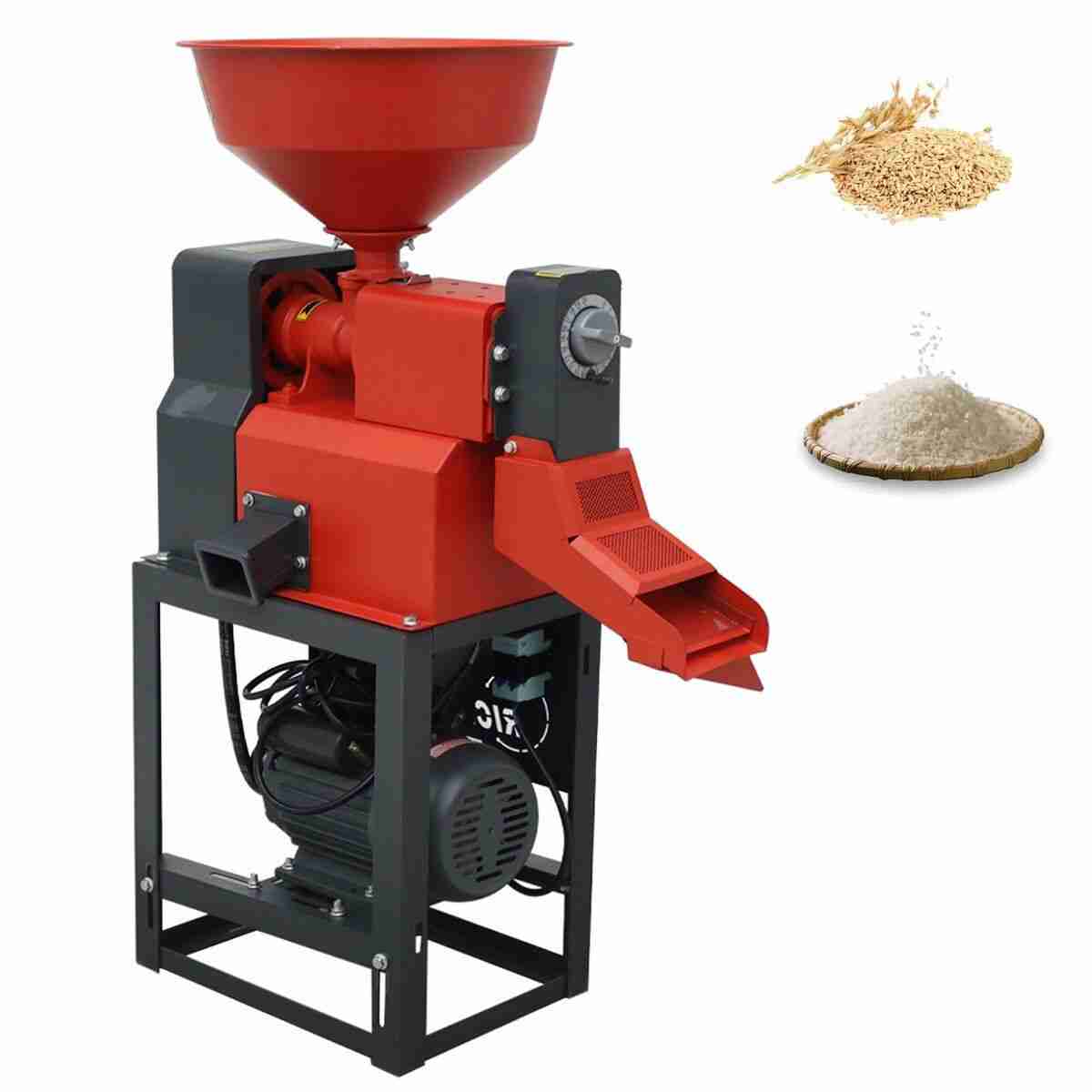
Understanding the Basics of Mini Rice Milling Technology
Mini rice milling technology represents a remarkable evolution in agricultural practices, enabling smallholder farmers to efficiently process their harvest. These machines are designed to be compact yet powerful, striking a balance between size and performance. A typical mini rice mill can handle various phases of rice processing, including husking, whitening, and polishing, ultimately transforming paddy into ready-to-cook rice. The use of mini milling machines significantly reduces reliance on large-scale facilities, empowering farmers to process their rice on-site, thereby enhancing productivity and minimizing post-harvest losses.
Key features of mini rice milling machines that contribute to their effectiveness include:
- Energy Efficiency: Many models utilize low power consumption, which is ideal for small-scale operations.
- Simplicity of Operation: Designed for ease of use, requiring minimal training for new operators.
- Affordability: Generally more cost-effective than larger machines, making them accessible for smallholder farmers.
- Compact Design: Their size allows for easy transportation and installation in rural settings.
In addition to these features, the growing adoption of mini rice milling machines comes with benefits that extend beyond mere convenience. Beyond operational efficiency, these machines promote local economies by fostering small-scale milling businesses and providing job opportunities. Moreover, the technology is adaptable, with many machines allowing customization of processing settings to cater to various rice varieties. To visualize the crucial differences and unique advantages of these machines, refer to the following table:
| Feature | mini rice mill | Traditional Mill |
|---|---|---|
| Processing Time | Faster | Slower |
| Capital Investment | Lower | Higher |
| Labor Requirement | Minimal | High |
| Waste Reduction | High | Low |
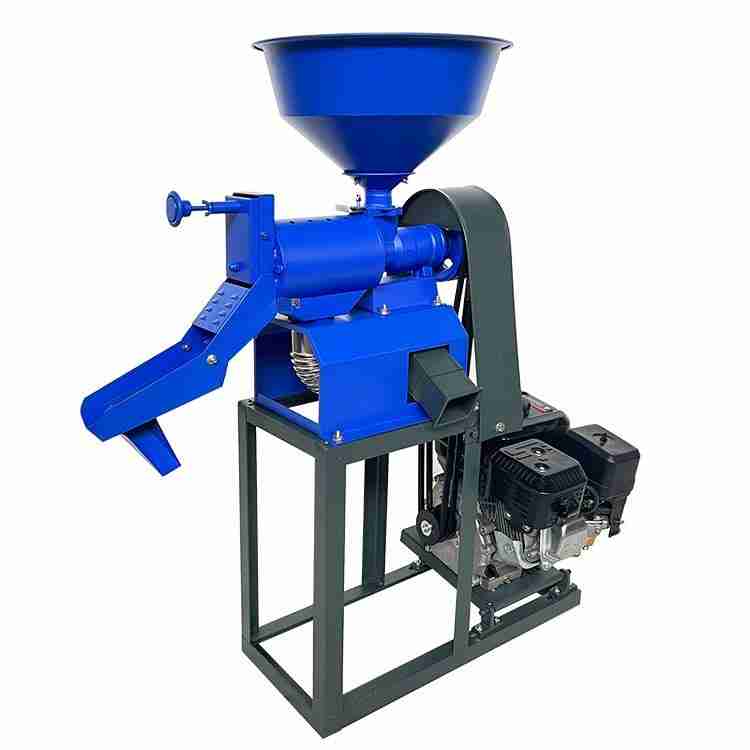
Key Benefits of Adopting Mini Rice Milling Machines
Mini rice milling machines revolutionize the way rice is processed, bringing efficiency to small-scale and commercial operations alike. One of the standout features is space efficiency; these compact machines are designed to fit seamlessly into small facilities, allowing rice producers to maximize operational capacity without necessitating extensive investments in infrastructure. Moreover, the energy consumption of these machines is significantly lower compared to traditional milling setups, resulting in reduced operational costs and a smaller carbon footprint.
Furthermore, mini rice milling machines offer user-friendly interfaces, making them accessible for operators with varying levels of experience. This ease of use translates to quicker training times and a reduced likelihood of errors during operation. Additionally, the quality of the milled rice is consistently high, with features that limit broken grains and retain the grain’s nutritional value. This focus on quality and efficiency is essential for businesses aiming to increase their profitability in a competitive market.
Choosing the Right mini rice mill for Your Needs
When selecting a mini rice mill, it’s crucial to evaluate various factors that align with your specific needs. Capacity is one of the foremost considerations: determine how much rice you plan to process on a daily basis. Mini rice mills typically vary in capability, ranging from small-scale models designed for home use to larger units suitable for small businesses. Additionally, consider the power source, as options might include electric, diesel, or manual variants, each catering to different operational environments and budget constraints. Portability should also be assessed, especially if you plan to move the machine frequently or use it in various locations.
Furthermore, look into the features that enhance functionality—options such as husking and polishing ability can significantly boost your milling experience. A few pertinent aspects include:
- Durability: Ensure the machine’s build quality is robust for long-term use.
- Maintenance: Check the ease of cleaning and servicing.
- Energy Efficiency: Opt for machines that consume less power.
To facilitate a transparent comparison, here’s a simple table that highlights essential features and their benefits:
| Feature | Benefit |
|---|---|
| Self-cleaning Mechanism | Reduces downtime and maintenance efforts |
| Compact Design | Easy storage and minimal space requirements |
| Adjustable Settings | Customizable milling grades for different rice types |
Choosing a mini rice mill that aligns with these aspects will not only optimize your milling process but also maximize efficiency and durability in the long run.
Enhancing Productivity and Sustainability in Rice Processing
Mini rice milling machines have emerged as a game changer in the agricultural sector, particularly for small-scale farmers and rice producers. These compact yet powerful machines significantly reduce the time and effort required for traditional milling processes, contributing to enhanced productivity. By integrating advanced technology, such as automatic feed systems and adjustable milling settings, these machines ensure precise processing while minimizing waste. The benefits include:
- Efficient Processing: Capable of milling rice at a rapid pace, enabling farmers to meet market demands.
- Energy Savings: Designed to operate with lower energy consumption, contributing to lower operational costs.
- Reduced Waste: Advanced milling techniques lead to higher recovery rates of whole grains.
Furthermore, mini rice milling machines play a vital role in promoting sustainability within the rice production industry. By optimizing milling efficiency, they help reduce environmental footprints, with less energy usage and lower emissions. Additionally, these machines facilitate better resource management, empowering farmers to utilize their yield more effectively. Key features contributing to sustainability include:
| Feature | Benefit |
|---|---|
| Low Power Consumption | Reduces energy costs and environmental impact. |
| Minimal Waste Production | Maximizes the quantity of market-ready rice obtained. |
| Durable Materials | Extends the lifespan of the machine, reducing waste and replacement needs. |
The Way Forward
the journey through the world of mini rice milling machines reveals a landscape rich with potential and innovation. These compact powerhouses stand not just as tools for processing rice but as catalysts for increased efficiency and sustainability in the agricultural sector. As we continue to embrace technological advancements, the impact of these machines stretches beyond mere convenience; they offer a glimpse into a future where small-scale producers can thrive, ensuring food security and economic viability.
By unlocking the doors to efficiency through mini rice milling, we empower farmers, uplift communities, and step towards a more resilient food system. As we reflect on the insights shared, let us remain curious and committed to harnessing these advancements for the betterment of our agricultural practices and, ultimately, our world. The key to a more efficient, sustainable future is within reach—let’s continue to explore, innovate, and grow together.




