
In the heart of bustling rural landscapes, where golden fields sway gently in the breeze, an agricultural revolution is quietly taking root. Welcome to the era of mini rice mills, a transformative solution that is reshaping how communities process their staple grain. As traditional methods yield to modern innovations, these compact machines are not just altering the way rice is milled; they are redefining the economic possibilities for farmers and small producers alike. No longer tethered to larger, distant processing facilities, rural farmers are embracing these efficient, cost-effective alternatives that empower them to take greater control over their harvests. In this article, we will explore the rise of mini rice mills, examining their impact on local economies, food security, and the agricultural landscape as a whole. Join us as we delve into this small but significant revolution that is changing the face of rice production—one kernel at a time.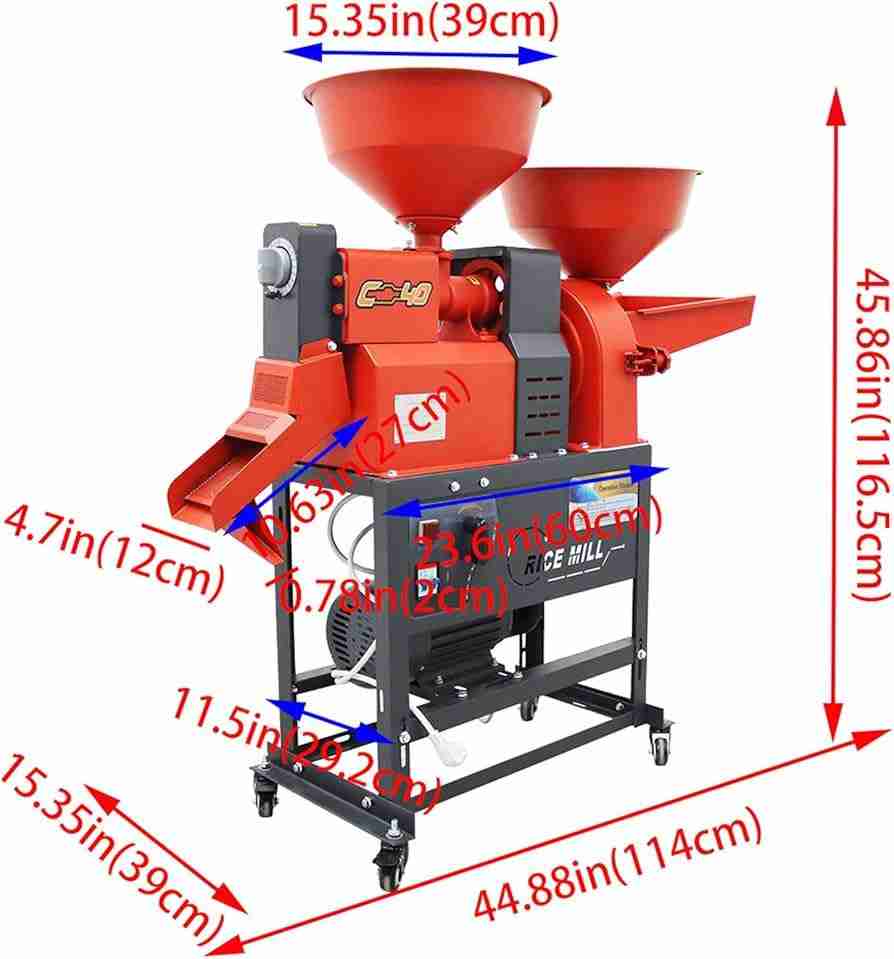
Understanding Mini Rice Mills and Their Impact on Agriculture
Mini rice mills have emerged as a game-changer in the agricultural sector, allowing farmers to take control of the processing of their crops. Unlike traditional large-scale mills, these compact units are designed for small to medium farming operations, providing a host of benefits that enhance productivity and efficiency. Farmers can now process their rice immediately after harvest, reducing post-harvest losses significantly. With the ability to operate at a lower cost, mini rice mills enable farmers to maximize their profits by ensuring that they can sell their milled rice directly to consumers without the need for intermediaries.
The impact of these mills extends beyond individual farmers; they foster local economies by creating job opportunities and stimulating rural development. With farmers becoming processors, the community witnesses an increase in local employment, from mill operators to packaging and distribution roles. Moreover, as smallholder farmers turn to mini rice mills, they contribute to food security by efficiently food production chains. The following table highlights the key advantages of mini rice mills:
| Advantages of Mini Rice Mills | Description |
|---|---|
| Cost-Effective | Lower investment and operating costs compared to large mills. |
| Reduced Post-Harvest Losses | On-site processing allows immediate milling, maintaining quality. |
| Job Creation | Boosts local employment in various roles related to processing. |
| Improved Food Security | Enables a more efficient food production chain. |

Economic Benefits of Adopting Mini Rice Mills for Farmers
Adopting mini rice mills offers farmers a plethora of economic advantages, ultimately empowering them to enhance their livelihoods. With reduced processing costs and increased efficiency, these compact machines enable farmers to convert their paddy into rice more swiftly and affordably. By minimizing the need for outsourcing processing to larger mills, farmers can retain a greater percentage of their earnings. Key benefits include:
- Cost Efficiency: Lower operational expenses compared to traditional milling methods.
- Increased Profit Margins: Retaining the processing value creates better income opportunities.
- Job Creation: Adding mini rice mills can generate local employment, fostering community growth.
- Quality Control: Farmers can ensure the quality of their produce meets market demands.
Furthermore, mini rice mills support the concept of local economies by encouraging farmers to market their products directly. This shift not only benefits individual farmers but also strengthens local food systems. The adoption of these mills leads to a reduction in expenditure on transportation and logistics associated with bulk processing at distant facilities. The economic impact is profound, illustrated in the table below, showcasing potential financial outcomes:
| Scenario | Current Income (Monthly) | Income After Mini Mill Adoption (Monthly) | Estimated Increase (%) |
|---|---|---|---|
| Before Adoption | $400 | $400 | – |
| After Adoption | $400 | $600 | 50% Increase |
Technological Innovations Driving the mini rice mill Revolution
The advent of mini rice mills has been significantly accelerated by a range of technological innovations that enhance efficiency, reduce costs, and improve the overall quality of rice processing. These advanced machines employ cutting-edge technology such as solar power, automation, and IoT connectivity, allowing farmers to harness both renewable energy and real-time data analytics. By integrating smart sensors, these mills can monitor moisture levels in raw rice and adjust processing parameters automatically, ensuring optimal quality without the need for extensive human intervention.
Moreover, the compact design and ease of operation of mini rice mills cater specifically to the needs of smallholder farmers. Key benefits include:
- Portability: Their lightweight and mobile nature enables farmers to set up processing facilities close to their fields.
- Cost-Effectiveness: Lower initial investment and reduced operational costs lead to higher profit margins.
- Quality Control: Advanced milling technology allows for better control over the milling process, resulting in higher-quality end products.
- User-Friendly Features: Simplified interfaces and automated systems make them accessible for farmers with minimal technical knowledge.
| Innovation | Impact |
|---|---|
| Solar Power Integration | Reduces reliance on grid electricity, lowering operational costs. |
| IoT Connectivity | Enhances monitoring and maintenance, reducing downtime. |
| Automated Processing | Increases throughput while ensuring consistent quality. |
Strategic Recommendations for Sustainable Integration of Mini Rice Mills
To ensure the sustainable integration of mini rice mills into local agricultural systems, it is essential to foster collaborative partnerships between farmers, mill operators, and technology providers. Capacity-building initiatives must be put into place, focusing on training farmers and mill operators in modern rice milling practices, product quality assurance, and maintaining machinery for longevity. Additionally, governments and NGOs can support these efforts through:
- Subsidized training programs
- Access to maintenance workshops
- Financial incentives for sustainable practices
Moreover, establishing a market link between mini rice mills and local consumers will enhance profitability and minimize waste. Local governments should consider creating platforms that facilitate direct sales of milled rice at competitive prices, benefiting both producers and consumers. The following table highlights potential market channels:
| Market Channel | Description | Benefits |
|---|---|---|
| Farmers’ Markets | Direct sale from farms | Higher margins, community support |
| Online Platforms | Digital sales channels | Wider reach, convenience |
| Local Groceries | Partnerships with retailers | Stable demand, consistent income |
Wrapping Up
In a world increasingly defined by innovation and sustainability, the rise of mini rice mills marks a transformative chapter in agricultural advancement. These compact powerhouses are not just reshaping the way we process rice; they are redefining the very fabric of rural economies. By empowering small farmers, promoting local production, and reducing reliance on large-scale facilities, mini rice mills offer a glimpse into a future where modernization harmonizes with tradition.
As we delve deeper into the complexities of food security and sustainability, the impact of these ingenious machines cannot be overstated. They symbolize a shift towards efficiency and resilience, allowing communities to reclaim their agricultural heritage while embracing the challenges of the modern world. With every grain milled, mini rice mills tell a story of innovation, adaptability, and hope—a testament to human ingenuity in the face of change.
As we conclude our exploration of this remarkable trend, it is clear that the journey of mini rice mills is just beginning. With ongoing advancements and an ever-growing commitment to sustainability, the future holds immense potential. Whether you’re a farmer, a policymaker, or simply a curious reader, the rise of mini rice mills invites us all to ponder how we can contribute to a more equitable and resilient agricultural landscape. So, let’s keep the conversation going and look forward to the harvests of tomorrow, transformed and revitalized by the innovations of today.




