
Transforming Grains: The Rise of Mini Rice Mills in Agriculture
In the heart of agriculture, where tradition meets innovation, a quiet revolution is taking place. The gentle hum of machinery, the aroma of freshly milled grains, and the sight of bustling small-scale farmers capturing a slice of the market landscape paint a dynamic picture of change. Mini rice mills, once considered a niche within the vast arena of agricultural equipment, are now emerging as game-changers for both smallholder farmers and local economies. As larger, industrial operations dominate the rice production landscape, these compact mills empower farmers to take control of their processing, retain more value from their harvests, and reduce dependency on distant markets. This article explores the burgeoning trend of mini rice mills, examining their impact on sustainable practices, economic opportunities, and the very nature of agricultural resilience in a rapidly evolving world.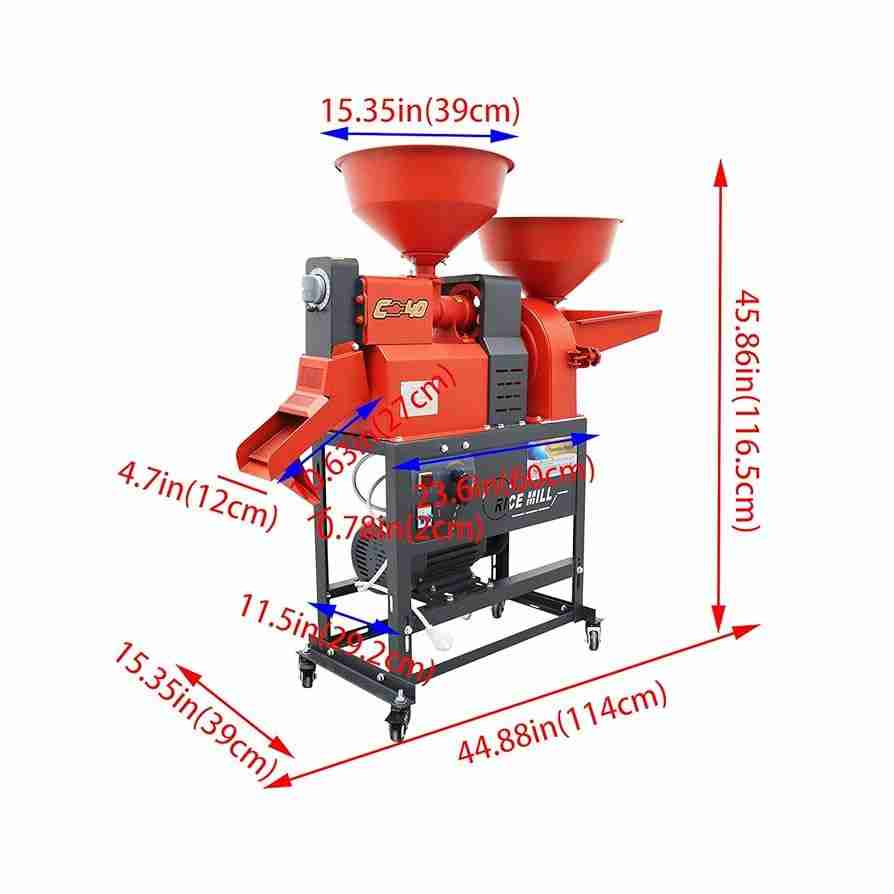
Understanding the mini rice mill Revolution and Its Impact on Local Agriculture
In recent years, mini rice mills have emerged as a game-changer for local agriculture, particularly in rural farming communities. Their compact design and versatile functionality allow farmers to process rice efficiently and economically. This shift has occurred for several reasons, including the accessibility of technology and an increased demand for freshly milled rice. Farmers can now take control of the milling process, reducing dependency on larger, often distant mills, and thereby minimizing transportation costs. In turn, this leads to higher profit margins and a more sustainable farming environment, as local resources and labor are utilized effectively.
The impacts of this trend are evident across various dimensions of local agriculture. Mini rice mills not only enable farmers to process their crops on-site but also foster a sense of community around the agricultural sector. Key benefits include:
- Enhanced Quality Control: Farmers have direct oversight of the milling process, which ensures better quality of rice.
- Employment Opportunities: The need for operators and maintenance personnel creates new job openings.
- Reduced Post-Harvest Losses: Timely milling helps in preserving the freshness of the grain.
- Rural Development: The establishment of these mills stimulates local economies.
By understanding the transformative potential of mini rice mills, stakeholders can devise strategies to further leverage this technology for the benefit of local agriculture, ultimately encouraging resilience within the farming community.

The Economic Advantages of Mini Rice Mills for Smallholder Farmers
The implementation of mini rice mills presents substantial economic benefits for smallholder farmers, redefining the traditional landscape of rice production. With these compact milling units, farmers gain immediate access to the processing of their own harvests, eliminating the need to rely on distant commercial mills. This accessibility leads to a greater retention of profits, as farmers can sell their milled rice directly to local markets or consumers, cutting out intermediaries. Furthermore, by processing rice on-site, farmers can avoid the costs associated with transportation and long wait times, allowing them to bring their produce to market while it’s still fresh.
Additionally, mini rice mills contribute to the sustainable development of rural economies by creating local employment opportunities. When farmers invest in these mills, they often employ fellow community members, fostering a sense of collaboration and shared growth. The economic impact extends beyond individual farms, as the increased availability of milled rice can stimulate local markets and enhance food security. Key advantages include:
- Cost-effective processing: Reduced operational costs compared to larger milling facilities.
- Job creation: Local employment opportunities arise from the need for operators and maintenance personnel.
- Increased income: Direct sales of milled rice lead to higher profit margins for farmers.
- Market accessibility: Enhanced access to local and regional markets, improving the sustainability of rural economies.
Innovative Technologies Driving Efficiency in Mini Rice Milling
In the realm of agriculture, the advent of mini rice milling technology has been a game-changer, revolutionizing grain processing with its remarkable efficiency. The integration of smart automation and precision engineering has enabled these compact mills to yield higher outputs while consuming significantly less energy. By leveraging sensors and IoT (Internet of Things) connectivity, mini rice mills can monitor conditions in real-time, ensuring optimal performance and reducing waste. Farmers are now able to achieve better grain quality with minimal manual intervention, enhancing their overall productivity.
Among the key innovations are multi-functional milling machines that incorporate husking, polishing, and grading in a single unit. This integration not only saves space but also simplifies operations, allowing farmers to utilize their resources more effectively. Additionally, the implementation of solar-powered mini mills is paving the way for sustainable practices in remote areas where electricity is a luxury. These advances not only streamline operations but also contribute to a greener environment. The benefits of these technologies can be summarized as follows:
| Innovative Technology | Benefits |
|---|---|
| Smart Automation | Real-time monitoring, reduced manual labor |
| Multi-Functional Mills | Space-saving, simplified grain processing |
| Solar Power | Environmentally friendly, energy-efficient |
Sustainable Practices and Future Trends in Grain Transformation Solutions
As the demand for sustainable agriculture continues to grow, innovative solutions are at the forefront of transforming grain processing. Mini rice mills have emerged as a game-changer, especially in rural farming communities, where they offer a flexible, efficient, and environmentally friendly alternative to traditional milling methods. These compact units are designed with energy efficiency in mind, often utilizing renewable energy sources like solar power to minimize their carbon footprint. Benefits of mini rice mills include:
- Reduced operational costs: Lower energy consumption and maintenance expenses make these mills economically viable.
- Localized processing: Farmers can process their grains on-site, reducing transportation emissions and costs.
- Job creation: Establishing mini mills creates local employment opportunities, fostering economic growth within communities.
The future of grain transformation solutions is also witnessing a shift towards integrating technology with traditional practices. Innovations such as smart milling systems equipped with IoT capabilities allow for real-time monitoring of grain quality, enhancing both productivity and sustainability. Additionally, the trend of upcycling by-products from grain milling, like husk and bran, into value-added products contributes to a circular economy. Key trends shaping this landscape include:
- Precision agriculture: Utilization of data analytics to optimize grain processing and yield.
- Sustainable packaging: Adoption of biodegradable materials for packaging grains, especially those processed in mini mills.
- Community partnerships: Collaborations among farmers, tech companies, and NGOs to develop sustainable milling practices.
The Conclusion
As we stand on the threshold of a new era in agricultural innovation, the rise of mini rice mills signifies more than just a shift in processing efficiency; it heralds a transformative approach to grain cultivation and local economies. These compact marvels are empowering farmers by granting them greater control over their production and enabling them to add value to their harvests right within their own communities.
In an age where sustainability and self-sufficiency are becoming paramount, the resurgence of traditional practices alongside modern technology offers a beacon of hope. Mini rice mills symbolize a grassroots movement, one that fosters not only economic resilience but also a renewed appreciation for local grains and heritage. As these small-scale mills continue to flourish, they serve as a reminder of the potential that lies at the intersection of tradition and innovation.
Through this lens, we witness the unfolding narrative of agriculture, where every grain tells a story of perseverance, community, and the promise of a resilient future. As we embrace these changes, the world of grain processing will continue to evolve, enriching not just the fields, but the lives and livelihoods of countless people linked to the cycle of cultivation. The journey of transformation is just beginning, and it is one worth watching as it unfolds in the abundant fields of agriculture.




