
In the heart of rural landscapes where golden fields sway gently in the breeze, a quiet revolution is underway—one that promises to reshape the very fabric of grain processing. The rise of combine mini rice mills is transforming how farmers approach their harvests, ushering in an era marked by innovation and efficiency. Gone are the days of labor-intensive, large-scale milling operations; these compact, versatile machines are emerging as game-changers, marrying traditional agricultural practices with modern technology. As smallholder farmers increasingly seek sustainable solutions to enhance productivity and quality, the adoption of mini rice mills is not just an adaptation—it’s a reimagining of the grain trade itself. In this exploration, we delve into the mechanics of these mills, the economic implications for rural communities, and the potential for a more resilient agricultural future. Welcome to a new chapter in the world of grains where smaller truly means stronger.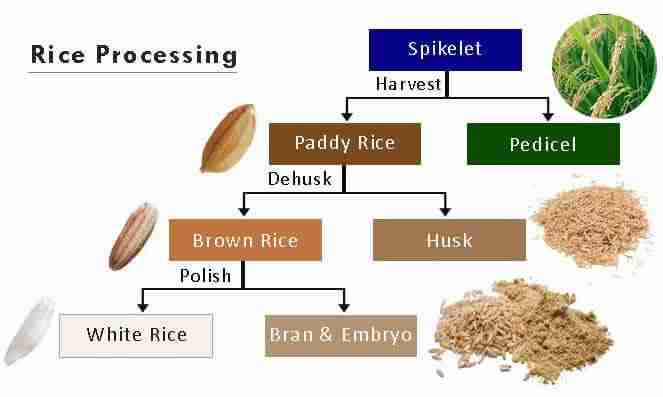
The Evolution of Rice Milling Technology and Its Impact on Agriculture
The journey of rice milling technology has been transformative, redefining agricultural practices and enhancing food security across the globe. Traditional methods, which relied heavily on manual labor and basic stone mills, have given way to sophisticated machinery that significantly boosts efficiency and productivity. Combine mini rice mills stand out in this evolution, providing a compact solution that integrates harvesting and milling processes. This not only reduces labor costs but also ensures that the grains retain their quality from field to table, minimizing post-harvest losses. With advancements in automation and precision engineering, these mills have become vital tools for small-scale farmers, enabling them to compete in markets previously dominated by larger operations.
The impact of these innovations on agriculture is profound, fostering a climate of sustainability and economic empowerment. Farmers now benefit from:
- Increased profitability due to lower operational costs.
- Improved grain quality, leading to better prices in the market.
- Enhanced accessibility to milling technology, particularly in rural areas.
Additionally, the shift to modern rice milling techniques aligns with global sustainability goals by promoting better resource management and waste reduction. As these technologies continue to evolve, they promise to not only streamline rice processing but also inspire a new generation of agricultural practices that prioritize environmental health while enriching farmers’ livelihoods.
| Key Features | Impact on Farmers |
|---|---|
| Compact Design | Easy to transport and operate in various settings. |
| Time Efficiency | Reduces milling time significantly, allowing for faster turnarounds. |
| Reduced Labor Requirement | Lowers dependency on manual labor, fostering better work-life balance. |

Efficiency and Sustainability: How Mini Rice Mills are Changing the Game
Mini rice mills represent a significant innovation in the agricultural sector, particularly in enhancing both efficiency and sustainability. These compact machines are not only designed for small-scale operations but are also equipped with cutting-edge technology that maximizes output while minimizing waste. By integrating processes such as husking, polishing, and packaging into a single unit, mini rice mills have reduced the number of steps traditionally required to process rice, leading to decreased energy consumption. Farmers and millers benefit from the ease of operation and lower operational costs, allowing them to focus on producing higher quality grain without the burden of hefty investments in larger, less efficient machinery.
Moreover, the shift towards mini rice mills promotes sustainable farming practices. These mills use less water and generate less waste, making them a greener alternative to conventional milling systems. A study comparing traditional and mini rice milling methods highlights significant reductions in energy use and environmental impact:
| Criteria | Traditional Milling | Mini Rice Mills |
|---|---|---|
| Energy Consumption | High | Low |
| Water Usage | Moderate | Minimal |
| Waste Production | Significant | Negligible |
Additionally, the adoption of local mini mills fosters economic sustainability in rural communities by creating job opportunities and encouraging cooperative ownership models. Farmers can take pride in being a part of this evolution, as they contribute to a sustainable food production system that benefits not only their livelihoods but also the environment.

Economic Empowerment: Supporting Small Farmers Through Modern Techniques
In the agricultural landscape, the rise of combine mini rice mills represents a transformative shift that enables small farmers to elevate their production capabilities. Traditionally, milling rice involved labor-intensive processes that consumed time and resources, often leaving farmers with limited profit margins. However, modern mini rice mills bring an array of benefits, revolutionizing how farmers approach their crop yield and market presence. These advanced techniques empower farmers by speeding up the production cycle significantly and minimizing losses caused during the milling stage.
One compelling aspect of these mini rice mills is their adaptability and efficiency. They are designed to be user-friendly and require minimal maintenance, making them accessible to smallholder farmers. This newfound accessibility allows farmers to:
- Increase output: Optimize grain processing through consistent and high-quality milling.
- Reduce costs: Cut down on labor costs and improve operational efficiency.
- Diversify products: Explore new market opportunities by offering processed and value-added products.
Moreover, with the integration of smart technology, farmers can monitor their production processes in real-time, ensuring quality control and reducing waste. The success stories emerging from regions where these mills have been implemented underscore their potential to not only enhance individual livelihoods but also strengthen local economies.
Future Prospects: Innovations Shaping the Next Generation of Rice Production
The landscape of rice production is on the brink of a significant transformation, driven by a wave of innovative techniques and technologies that prioritize efficiency and sustainability. Combine mini rice mills are leading the charge, enabling smallholder farmers to enhance productivity while reducing their carbon footprint. Key innovations that are set to shape the future of rice production include:
- Automation Technologies: Advances in automation are making it easier for farmers to manage their operations more efficiently, resulting in higher yields.
- Sustainable Practices: Techniques such as integrated pest management and organic farming are gaining traction, ensuring a healthier ecosystem.
- Smart Irrigation Systems: Utilizing sensors and data analytics to optimize water usage conserves resources and reduces waste.
Moreover, the collaboration between technology providers and agricultural experts has fostered the development of versatile rice milling solutions that can cater to varying scales of production. The introduction of compact milling units empowers farmers with affordable access to essential processing equipment, enhancing both productivity and product quality. The following table highlights some of the distinctive features of these emerging technologies:
| Feature | Benefit |
|---|---|
| Energy Efficiency | Reduces operational costs and environmental impact. |
| Portability | Enables on-site processing, minimizing transportation challenges. |
| Scalability | Adapts to varying production levels, catering to small and large-scale farmers alike. |
Final Thoughts
As we conclude our exploration into the world of combine mini rice mills, it’s clear that these compact powerhouses are not just tools, but transformative agents in the agricultural landscape. By streamlining the milling process and addressing the needs of smallholder farmers, they are redefining rice production at the grassroots level. With sustainability and efficiency at the forefront, mini rice mills are fostering economic growth while maintaining a connection to local practices and traditions.
The rise of these innovative machines signifies more than just technological advancement; it marks a shift toward empowering communities and enhancing food security. As we look to the future, it will be intriguing to see how these mills continue to evolve, integrating new technologies and responding to the changing demands of a global market. Ultimately, the journey of transforming grains is not just about machinery; it’s about nurturing livelihoods, preserving heritage, and cultivating a more resilient agricultural ecosystem. In this dynamic landscape, mini rice mills stand as a testament to what can be achieved when innovation meets tradition, paving the way for a new era in rice milling.




