
In the heart of agricultural innovation, a quiet revolution is unfolding—one that promises to redefine the way we engage with one of the world’s oldest staples: rice. Welcome to the era of mini rice mill plants, where tradition meets technology in the most unexpected ways. As small-scale farmers and entrepreneurs harness these compact milling solutions, the landscape of grain processing is poised for transformation. This article embarks on a journey to explore how these mini mills are not just a boon for efficiency and sustainability, but also a catalyst for economic empowerment in rural communities. Join us as we delve into the mechanics, benefits, and broader implications of the mini rice mill plant revolution, uncovering a new chapter in the story of grains that nourishes our bodies and fuels our economies.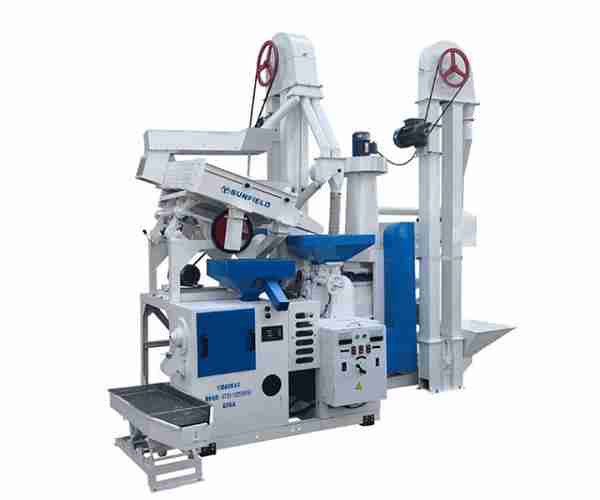
Understanding the mini rice mill Plant: A Game Changer in Grain Processing
The advent of the mini rice mill plant marks a significant shift in the grain processing industry, merging efficiency with affordability. These compact units have become increasingly popular among small-scale farmers and entrepreneurs, allowing them to process rice with minimal investment and operational cost. With their user-friendly designs, these plants minimize labor requirements, empower local economies, and facilitate the establishment of small businesses that contribute to sustainable agriculture. The ability to custom-process rice not only meets local demand but also enhances the overall quality and retention of nutrients, which can be a major selling point for health-conscious consumers.
Moreover, the integration of advanced technologies in mini rice mills has redefined the standards of grain processing. Features such as automatic milling, pre-cleaning, and polishing ensure a high-quality output while significantly reducing waste. The versatility of these systems allows them to handle various grain types, enabling entrepreneurs to diversify their offerings. Many mini rice mills are equipped with energy-efficient motors and environmentally friendly processes, which align with the growing trend of sustainable farming practices. Here’s a quick comparison of some features commonly found in various mini rice mill models:
| Model | Capacity (kg/hour) | Power (HP) | Key Features |
|---|---|---|---|
| Model A | 300 | 5 | Automatic, Compact Design |
| Model B | 500 | 7.5 | Energy Efficient, Adjustable Settings |
| Model C | 200 | 3 | Lightweight, Easy Maintenance |

Innovative Technologies Driving Efficiency in Mini Rice Mills
The landscape of mini rice mills is undergoing a remarkable transformation, largely driven by innovative technologies that enhance operational efficiency. Automation is at the forefront, allowing these small-scale plants to manage processes such as husking, milling, and packaging with minimal human intervention. Utilizing advanced machinery equipped with IoT (Internet of Things) capabilities, operators can monitor production metrics in real time, optimizing workflows and reducing waste. This symbiosis between technology and traditional practices ensures that rice milling not only meets quality standards but also operates sustainably, preserving the environment while boosting outputs.
Moreover, emerging technologies like solar energy systems and biomass fuel options are empowering mini rice mills to reduce their carbon footprints significantly. Integrating these renewable energy sources not only lowers operational costs but also promotes an eco-friendly approach to rice processing. The following table summarizes the key technological innovations revolutionizing mini rice mills:
| Technology | Benefit |
|---|---|
| Automation | Increases efficiency and reduces labor costs |
| IoT Monitoring | Enables real-time performance tracking |
| Solar Energy | Decreases dependency on fossil fuels |
| Biomass Fuels | Promotes sustainability and lower emissions |
Sustainable Practices in Grain Transformation: The Role of Mini Rice Mills
In the quest for sustainable agriculture and food security, mini rice mills are proving to be pivotal players in the grain transformation industry. These compact, efficient units not only reduce energy consumption but also champion the principle of localization, allowing farmers to process their grains right at the source. This not only helps in retaining the nutritional value of the rice but also minimizes transportation costs and carbon footprints associated with long-distance milling. Therefore, mini rice mills promote a cycle of sustainability by empowering local economies and ensuring that the benefits of grain processing remain within the community.
Moreover, the adoption of innovative technologies in mini rice milling plants furthers sustainable practices. With features that allow for water conservation, waste reduction, and energy efficiency, these mills contribute to a greener food production system. Some of the benefits include:
- Efficient use of resources: Mini rice mills consume less water and energy, aligning with environmental conservation goals.
- Reduced milling losses: Advanced designs minimize grain breakage, maximizing yield and ensuring quality.
- Waste-to-resource transformation: Byproducts from rice milling can be utilized for animal feed or organic fertilizers, promoting circular economies.
| Benefits of Mini Rice Mills | Description |
|---|---|
| Local processing | Eliminates unnecessary transportation and boosts local economy. |
| Resource efficiency | Minimizes water and energy usage during milling. |
| Enhanced quality | Preserves more nutrients and delivers better grain quality. |
Future Trends and Recommendations for Scaling mini rice mill Operations
As the global demand for rice continues to rise, small-scale processors are uniquely positioned to increase their operational capacity through innovation and adaptation. To scale mini rice mill operations successfully, it’s essential for entrepreneurs to embrace automation technologies that enhance efficiency and reduce labor costs. Utilizing modern milling equipment and integrating smart processing techniques not only streamlines production but also ensures higher-quality output that can meet market standards. Additionally, investments in sustainable practices such as eco-friendly energy sources and waste reduction methods will appeal to environmentally-conscious consumers and set an operation apart in a competitive market.
Another key aspect of future success lies in forging strong partnerships and networks within the agricultural community. Creating alliances with local farmers can facilitate supply chain improvements, ensuring a steady flow of raw materials that are fresh and readily available. Furthermore, focusing on diversification of product offerings can open new revenue streams. This includes not only various rice types but also value-added products such as rice flour or bran. Below is a simple table highlighting potential product expansion areas:
| Product Type | Description | Market Potential |
|---|---|---|
| Whole Grain Rice | Unprocessed, nutrient-rich rice variety | High demand in health-conscious markets |
| Brown Rice | Less processed, retains more nutrients | Growing interest in healthy alternatives |
| Rice Flour | Ground rice used in various cuisines | Popular in gluten-free baking |
| Rice Bran Oil | Oil extracted from rice bran, rich in antioxidants | Increasing acceptance for cooking oil market |
Key Takeaways
As we conclude our exploration of the mini rice mill plant revolution, it becomes evident that this innovative approach is not merely a shift in processing technology but a transformative movement that stands to reshape the landscape of grain production. By harnessing efficiency, sustainability, and accessibility, these compact mills empower local farmers and small-scale entrepreneurs to take control of their resources and contribute to food security in their communities.
With advancements continuing to emerge and the demand for quality rice on the rise, the integration of mini rice mills into farming practices may very well be a pivotal chapter in the agricultural story. As the industry navigates the complexities of modern economics and environmental considerations, our journey through the realm of grains has illuminated the path toward a future where tradition and technology coexist harmoniously.
As we look ahead, the ripple effects of this revolution, from economic empowerment to nutritional improvements, will undoubtedly influence the global rice market for years to come. In the spirit of continuous growth and innovation, the narrative of the mini rice mill plant is just beginning—an inspiring testament to the power of ingenuity rooted in our agricultural heritage.




